Modified Bitumen Roofing in Provo, UT
Commercial Roofing • Commercial Roofing Services • Provo,
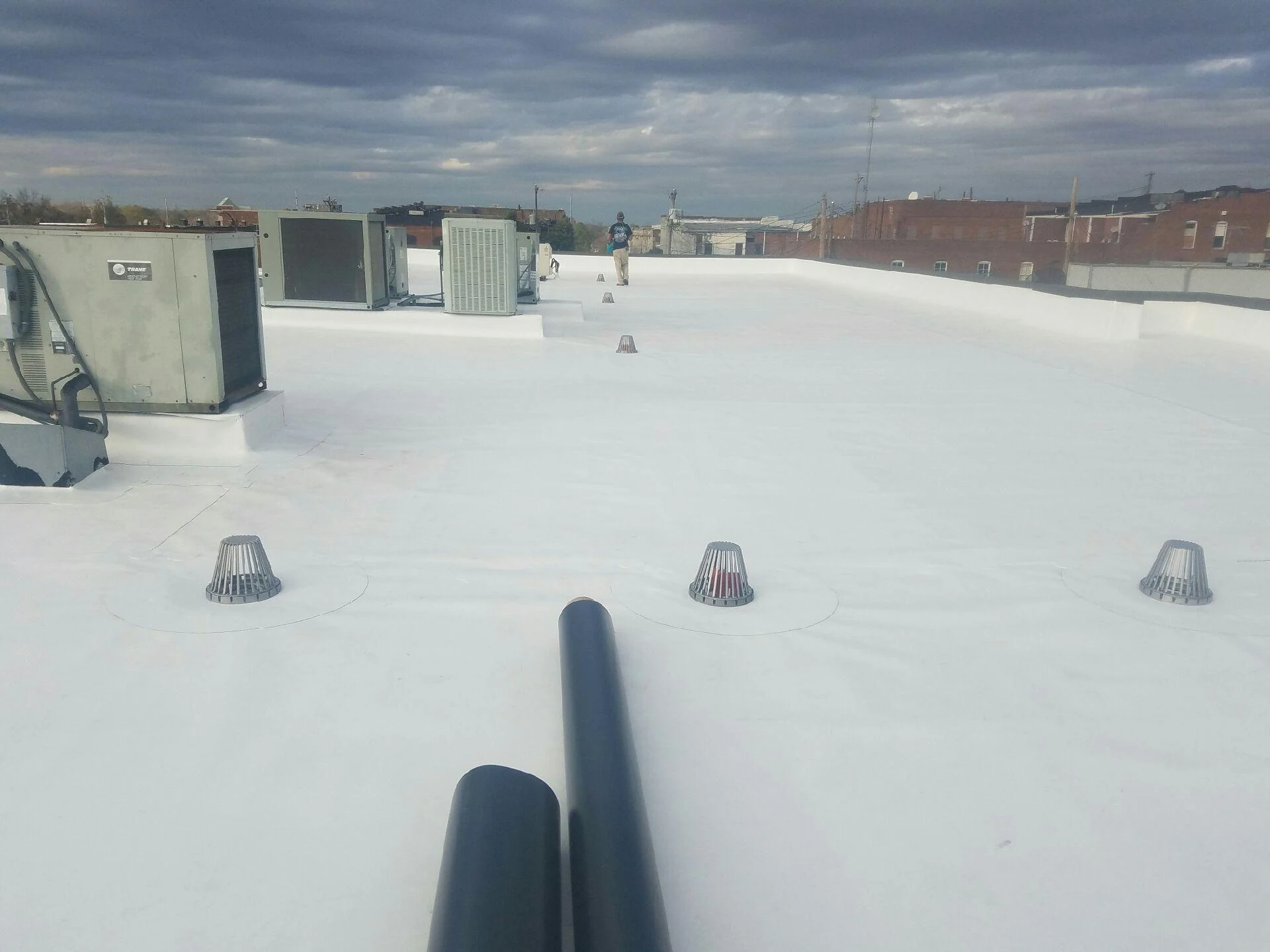
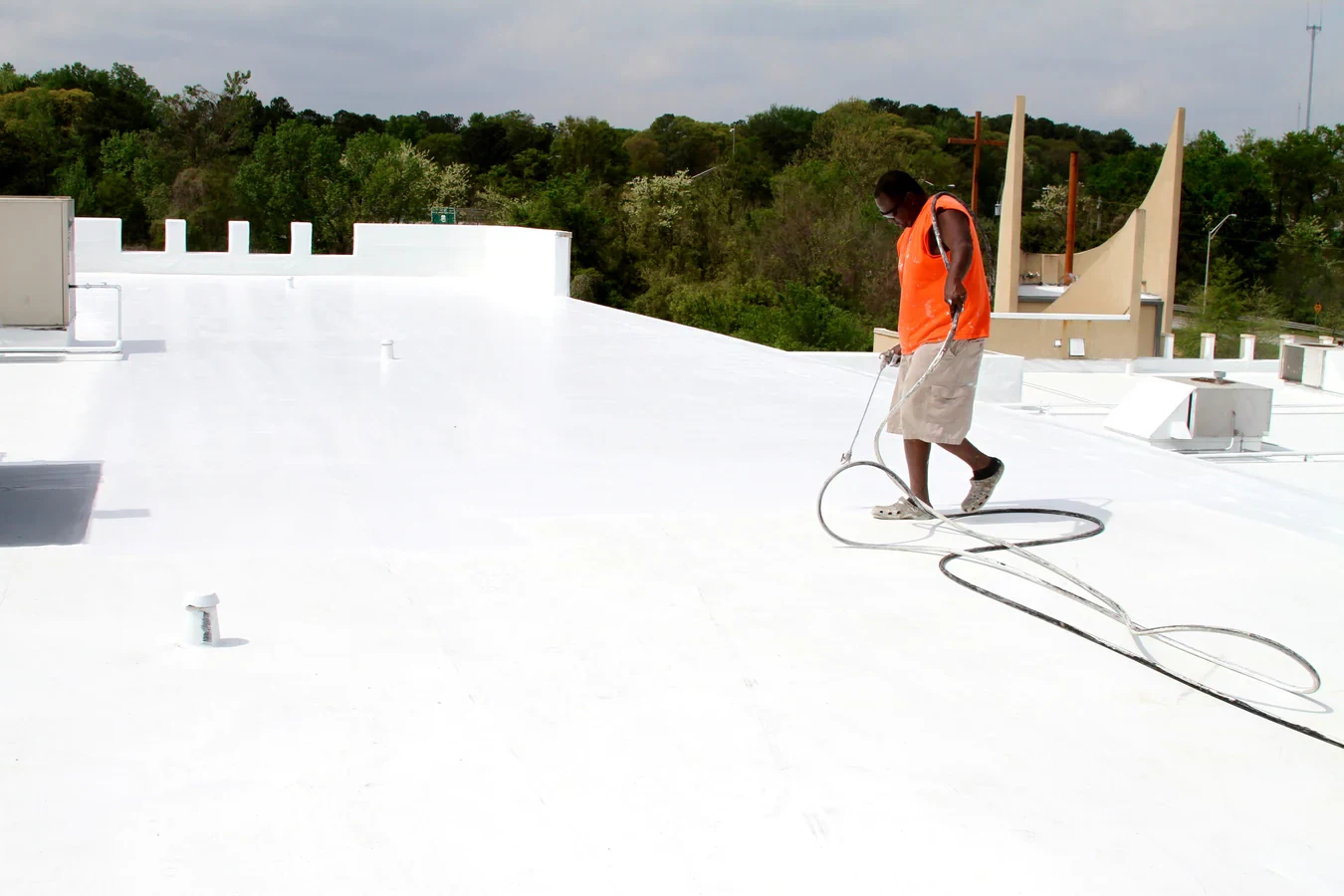
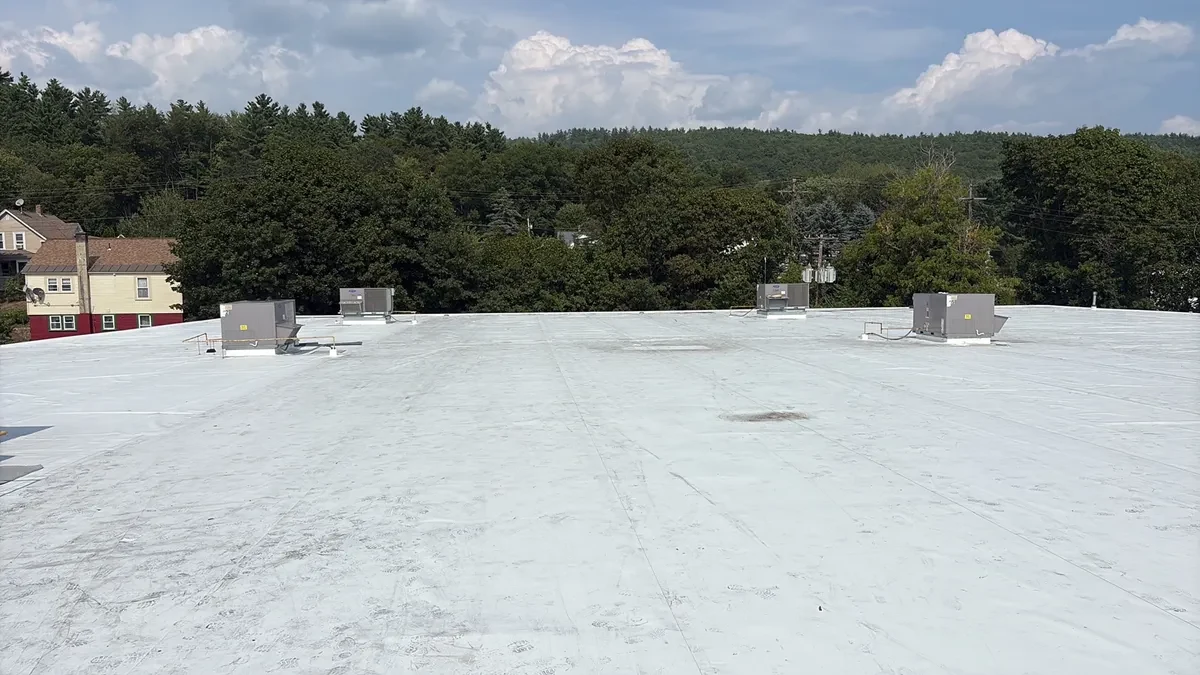
SBS Modified Bitumen on Downtown Provo's Older Commercial Blocks
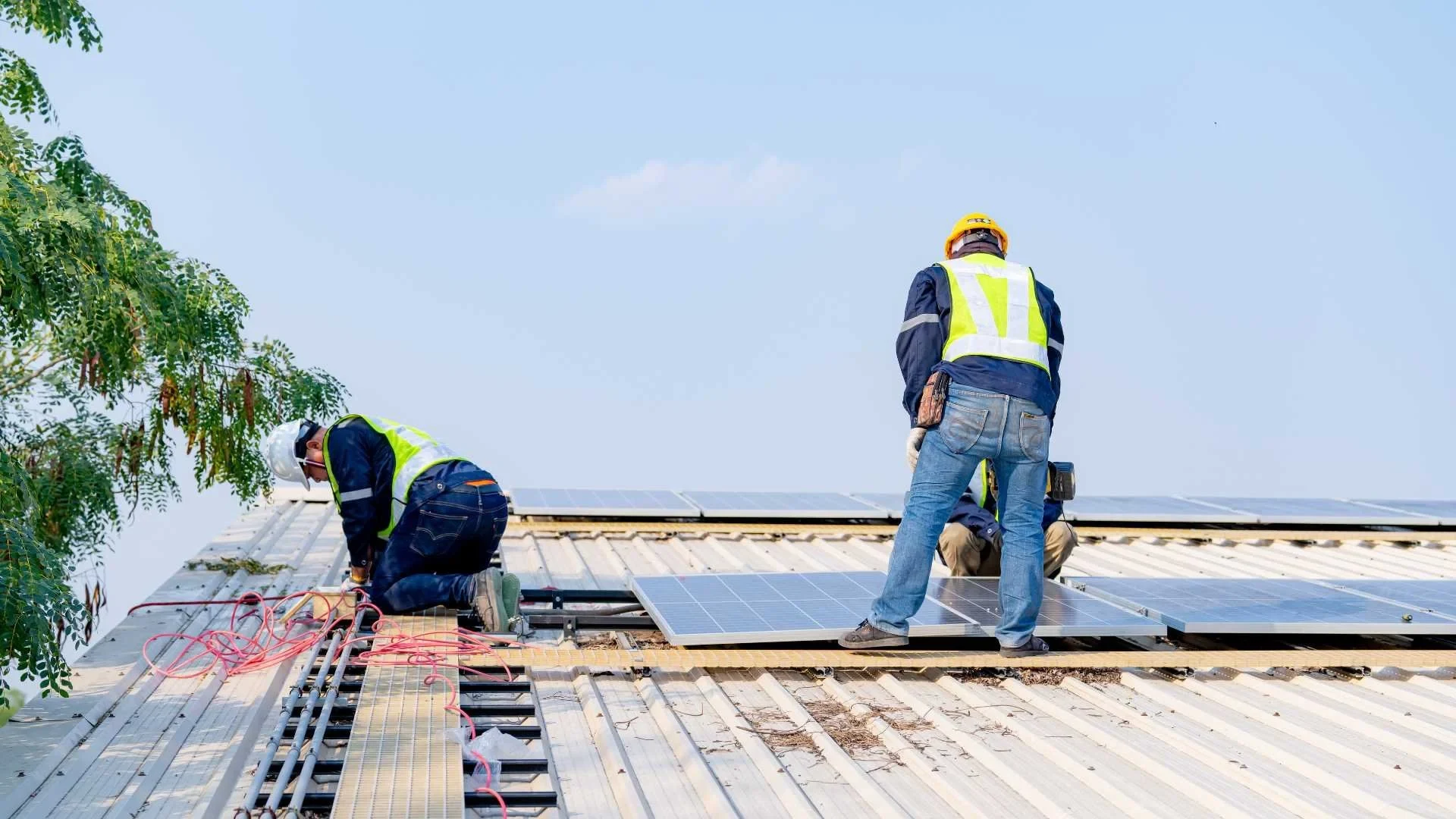
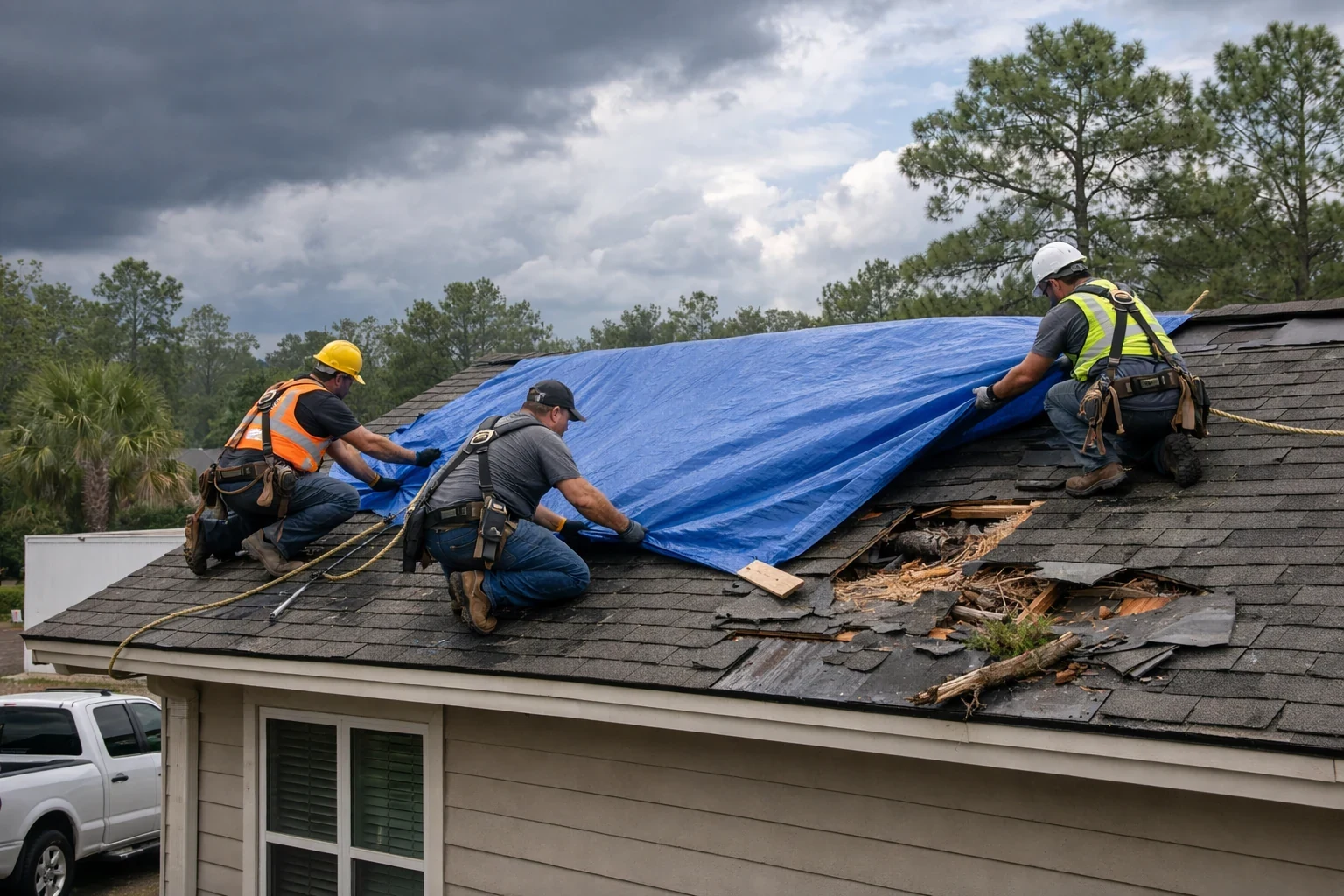
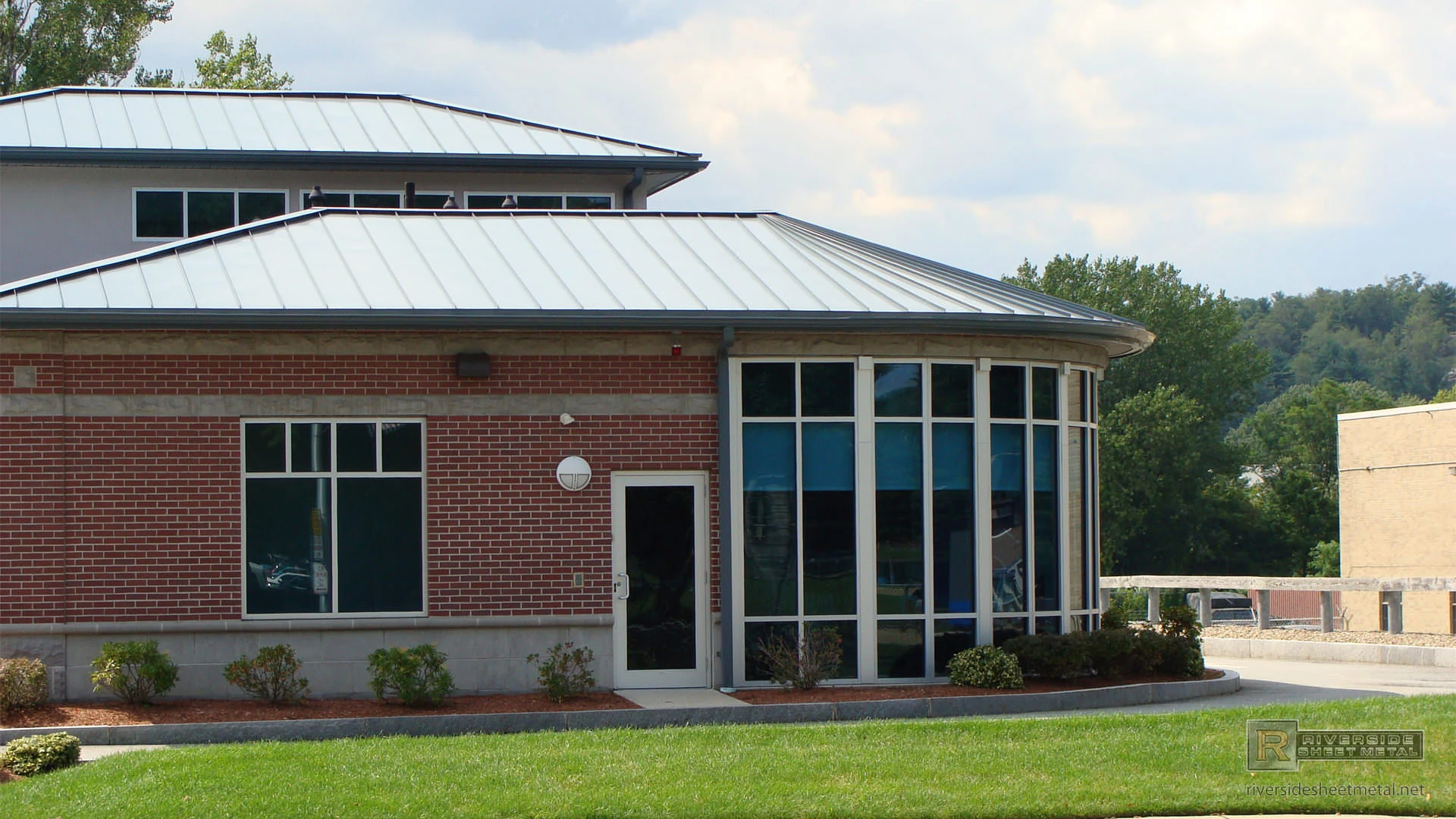
Modified bitumen remains a common system on the older brick commercial buildings around downtown Provo and along State Street in Orem, many of which were reroofed with SBS-modified cap sheets sometime in the last two or three decades. We install, repair, and recover modified bitumen roofs, and a lot of our work here involves catching a system near the end of its service life before a small leak becomes a bigger interior repair.
Torch-Applied Versus Cold-Adhesive Installation
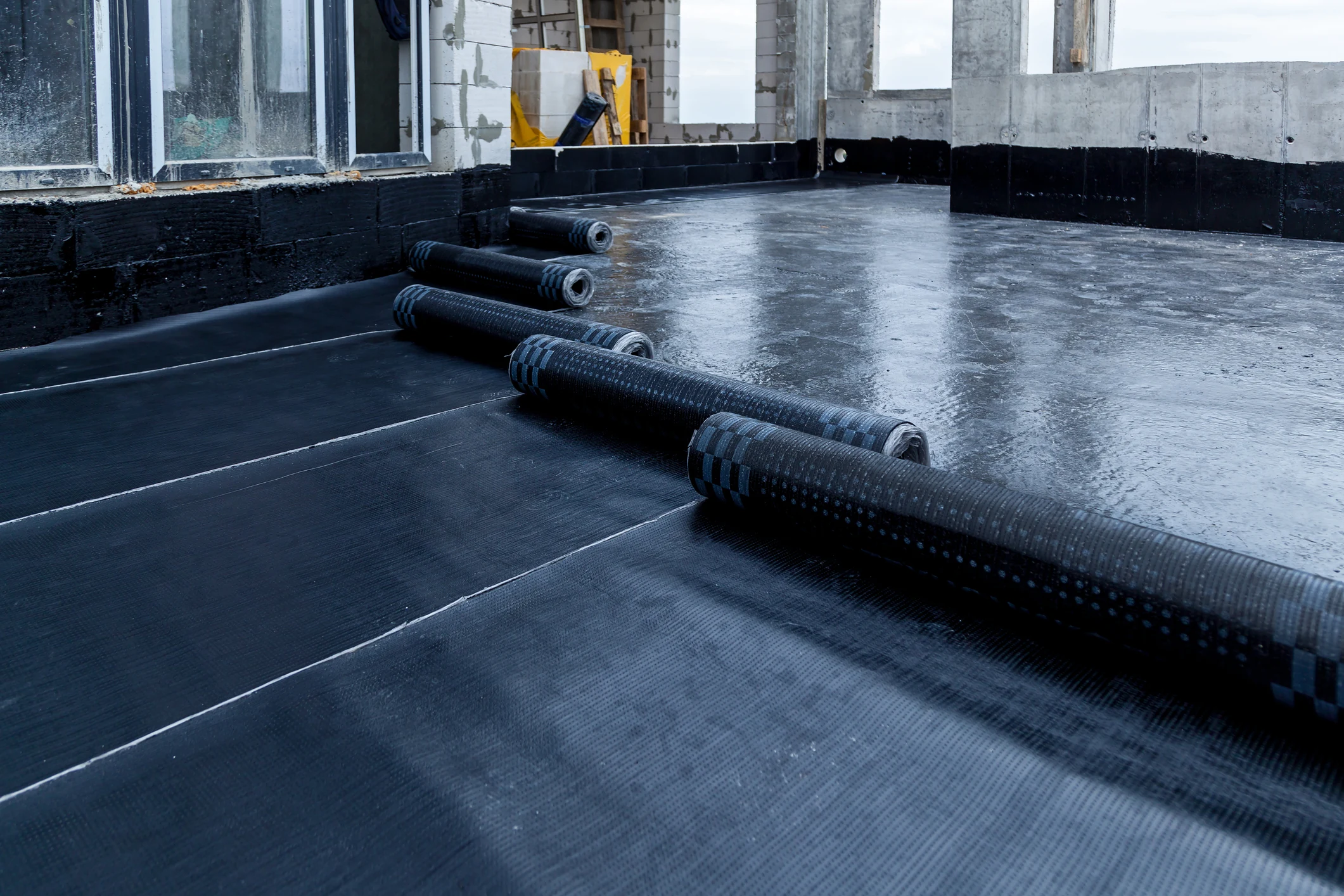
SBS modified bitumen can be installed by torch-welding the modified sheets to melt the asphalt coating into a bond, or through cold-process adhesives that avoid open flame entirely. Torch application gives a strong, consistent bond when done correctly, but it carries fire risk on buildings with dense adjacent construction, which describes a good portion of downtown Provo's older commercial blocks. On those buildings, we lean toward cold-adhesive or self-adhered systems specifically because of proximity to neighboring structures and rooftop equipment.
Where torch application is appropriate, correct technique matters enormously for long-term seam performance, and we watch closely for under-heated laps that look sealed but separate within a few years.
Granulated Cap Sheets and Altitude UV Exposure
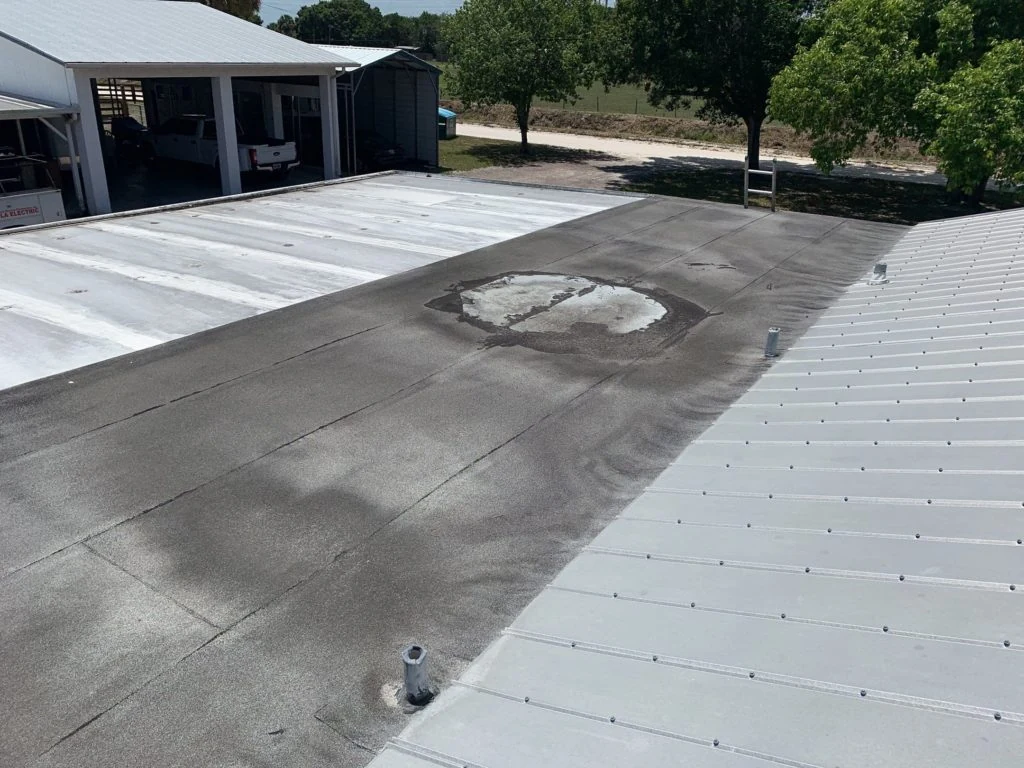
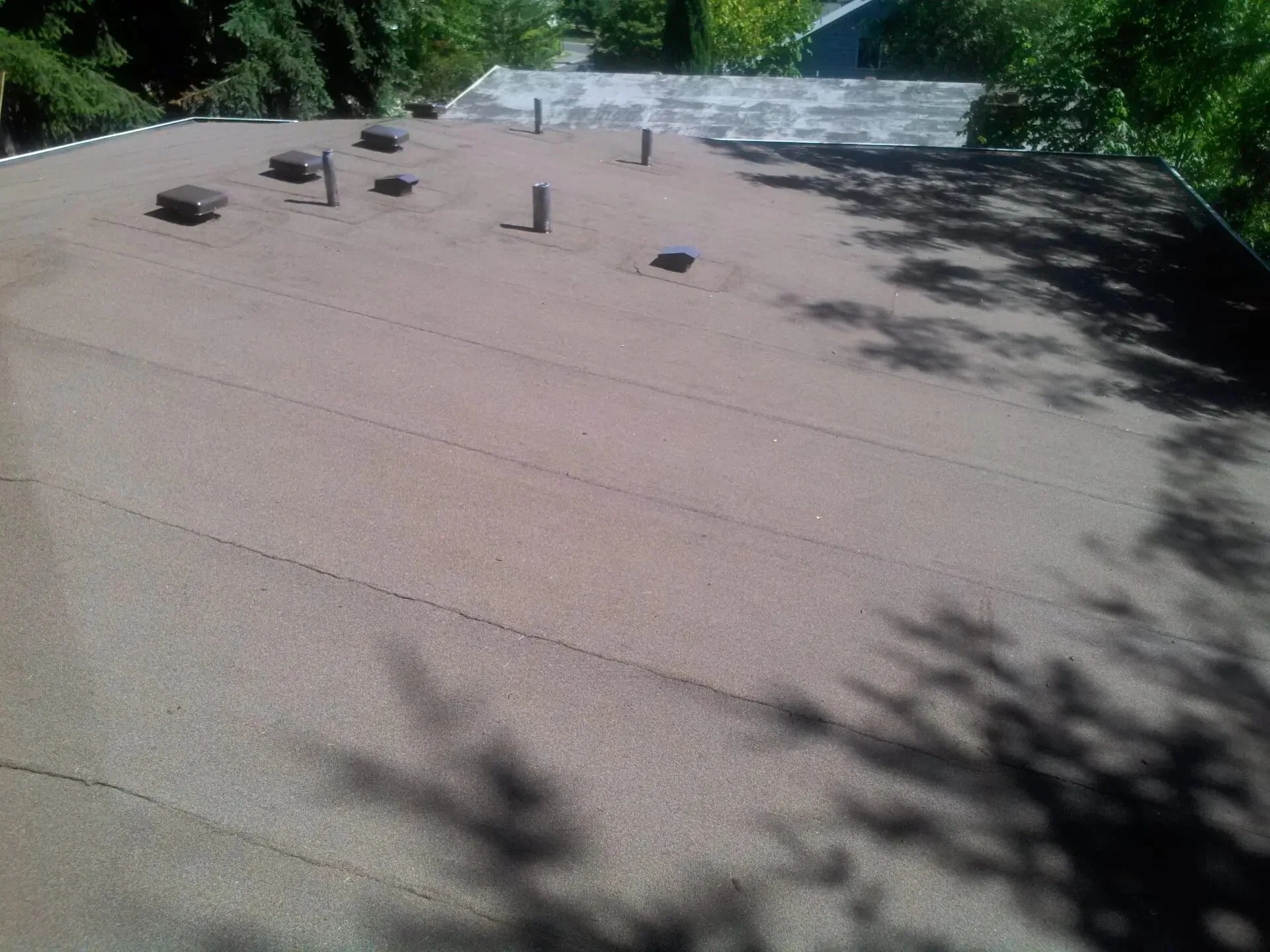
Most modified bitumen cap sheets carry a mineral granule surface that provides some UV protection to the asphalt underneath, but granule coverage degrades over time, especially at Provo's elevation where UV intensity is higher than at sea level. A cap sheet with worn granule coverage loses its protective value and the asphalt beneath begins to dry out and crack. We check granule wear as a routine part of any modified bitumen inspection, since it is often the earliest visible sign that a roof is approaching the end of its useful life.
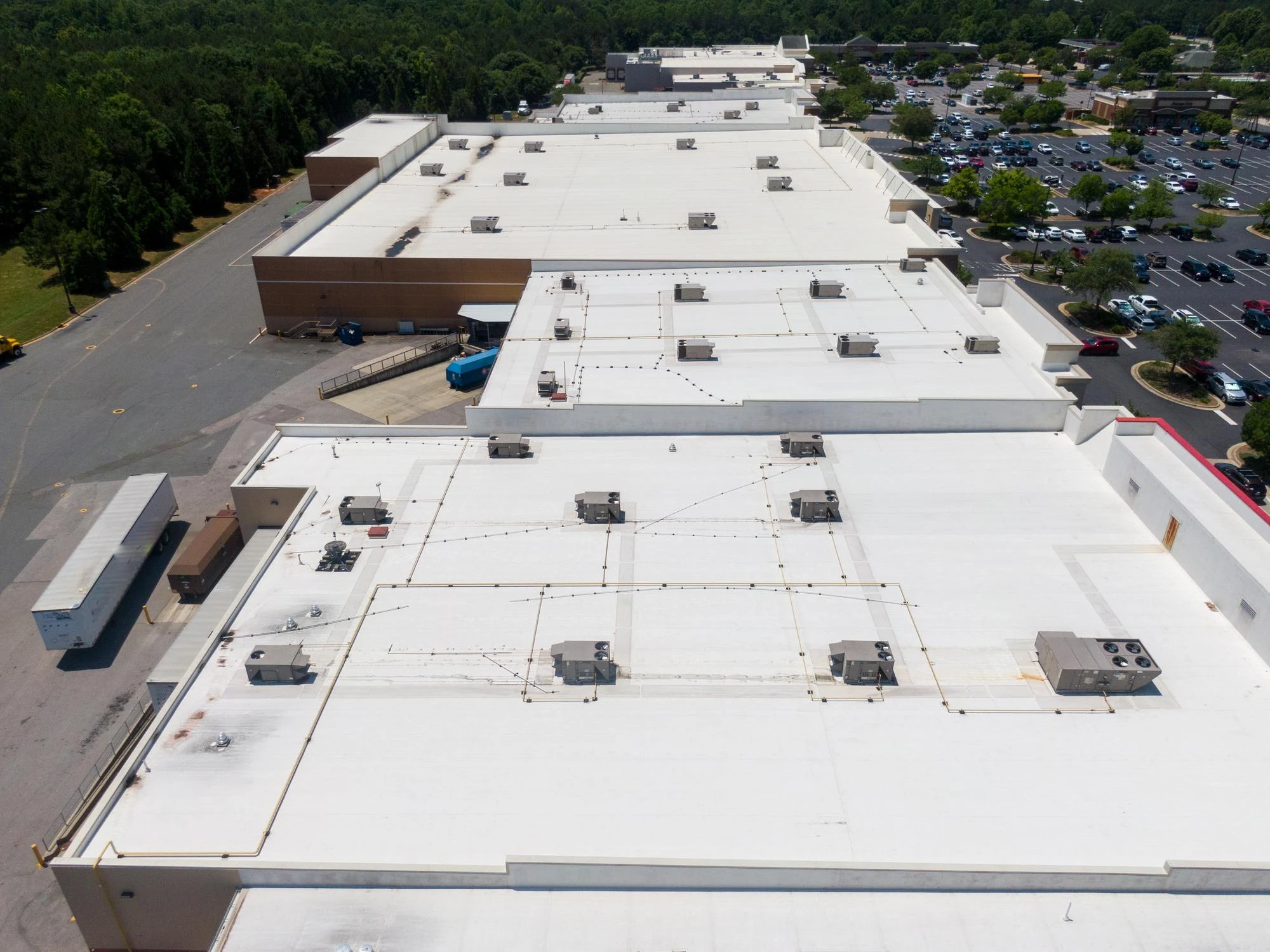
Reflective or granule-coated cap sheets in lighter colors can meaningfully reduce that UV degradation rate compared to standard dark granules, and we discuss that option with owners planning a full reroof rather than a patch repair.
Multi-Ply Assembly and Freeze-Thaw Resilience
A typical modified bitumen roof assembly uses a base sheet plus one or two modified cap plies, which gives it more redundancy against a single point of failure than a single-ply membrane. That layered structure holds up well against freeze-thaw cycling, since a small crack in the top layer does not automatically mean the whole assembly is compromised. It does mean flashing details at parapets, drains, and penetrations need equal attention to ply count, because those transition points are where most modified bitumen leaks actually start.
Recover, Repair, or Full Tear-Off
Older modified bitumen roofs downtown often present the recover-versus-replace question. If the existing plies are dry and adhered well to the deck, a new cap sheet layer over the existing system can extend service life at a fraction of full tear-off cost. If the base plies have absorbed moisture or lost adhesion, recover just traps the problem, and tear-off becomes the more honest recommendation even though it costs more upfront.
- Downtown Provo commercial blocks with original built-up-to-modified conversions
- Orem State Street retail and office buildings
- Multi-tenant retail strips with aging low-slope sections
- Institutional buildings needing a durable, multi-ply assembly
- Buildings where torch-free installation is required due to adjacent construction
Maintenance That Extends Service Life
Regular inspection catches granule loss, seam separation, and flashing deterioration well before they become active leaks. We recommend a spring inspection after snowmelt runoff has tested every drain and low point on the roof, since that is when ponding and drainage problems are most visible.
Modified Bitumen Questions From Provo and Orem Owners
Is torch-applied modified bitumen safe on a downtown building?
It can be, but proximity to adjacent structures and rooftop equipment changes the risk calculation. We often recommend cold-adhesive or self-adhered alternatives on tightly built downtown blocks.
How do you know if a modified bitumen roof needs full tear-off?
We test the existing plies and insulation for trapped moisture. If they test dry and adhesion is intact, recover is usually the more cost-effective option.
Does granule color matter for roof temperature?
Yes. Lighter granule surfaces reflect more solar heat than standard dark granules, which reduces both UV degradation and the heat load transferring into the building below.
How does freeze-thaw cycling damage a modified bitumen roof?
Repeated freezing and thawing works into any crack or seam separation, widening it over successive winters. Catching small cracks early prevents that cycle from turning into a structural leak.
Can you repair a modified bitumen roof without replacing the whole system?
Often, yes, particularly for isolated flashing failures or localized membrane damage. We assess the overall condition of the roof to determine whether a targeted repair makes sense or whether the roof is past the point where patching is cost-effective.