TPO Single-Ply Roofing in Provo, UT
Commercial Roofing • Commercial Roofing Services • Provo,
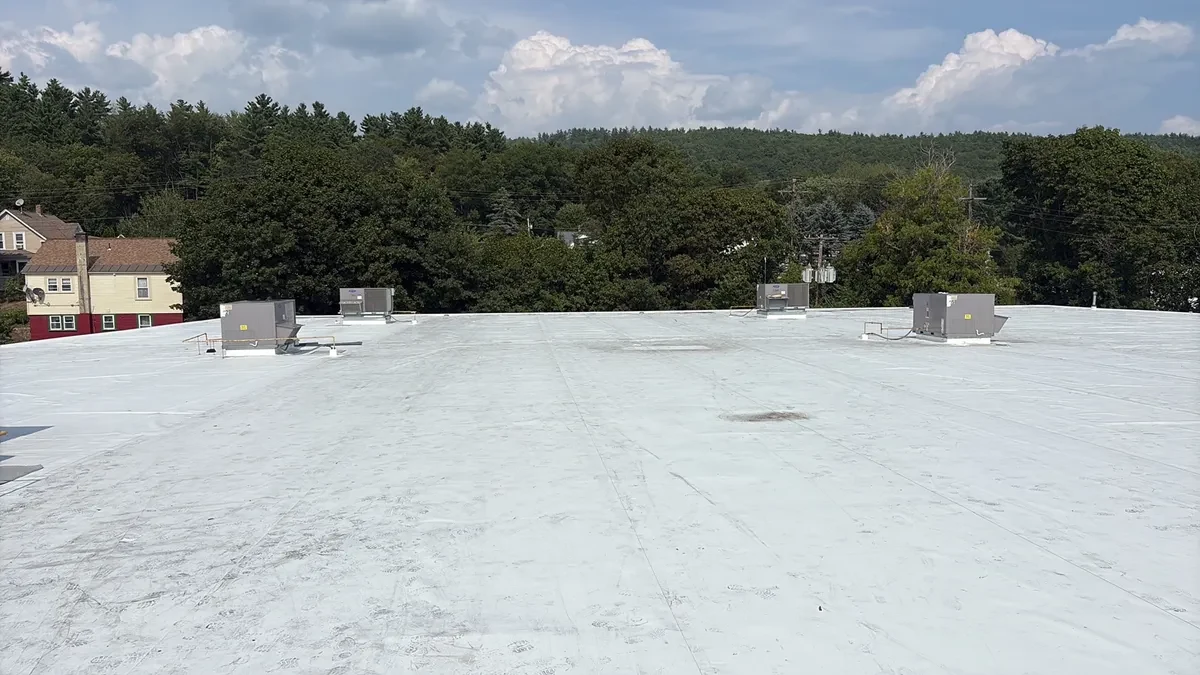
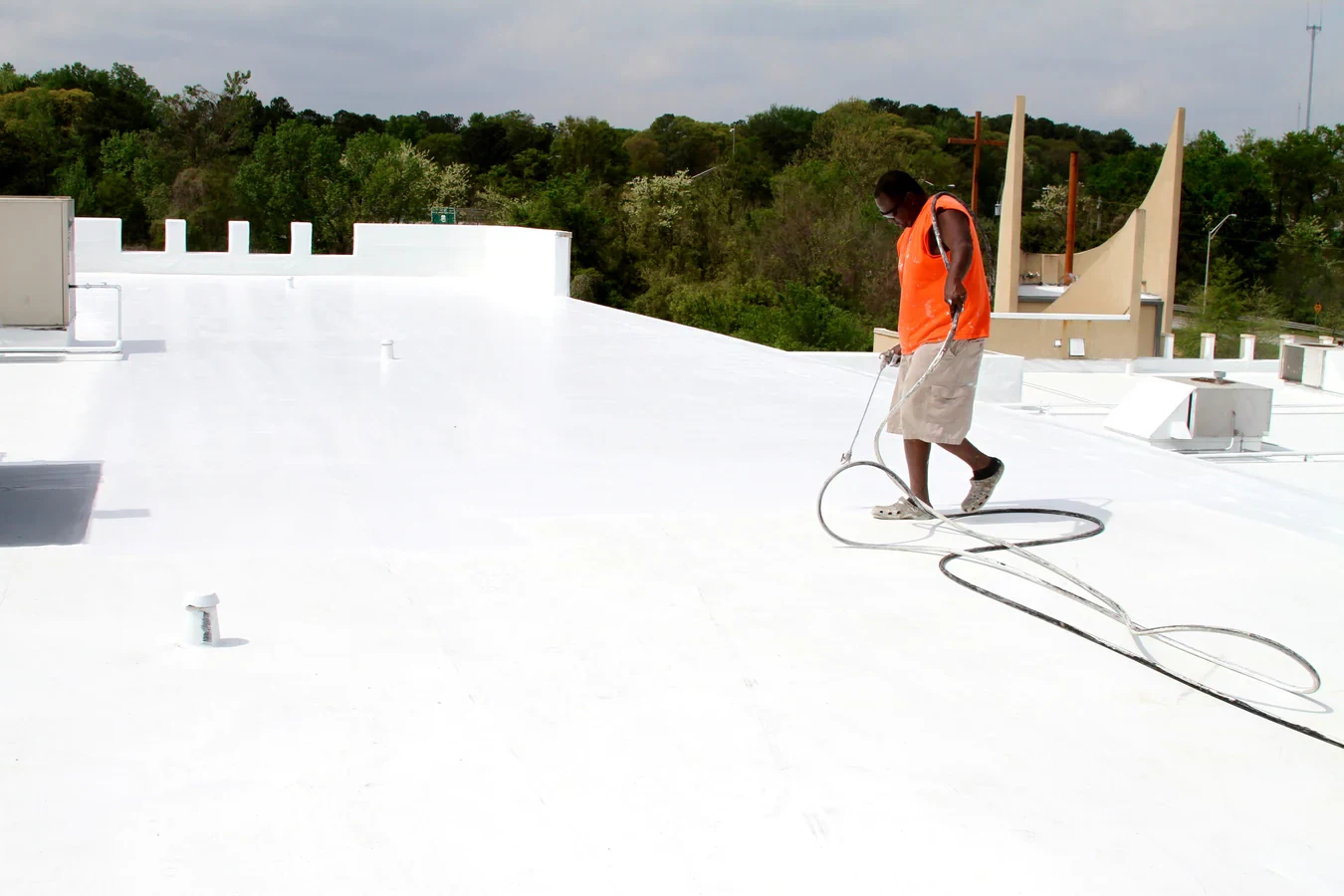
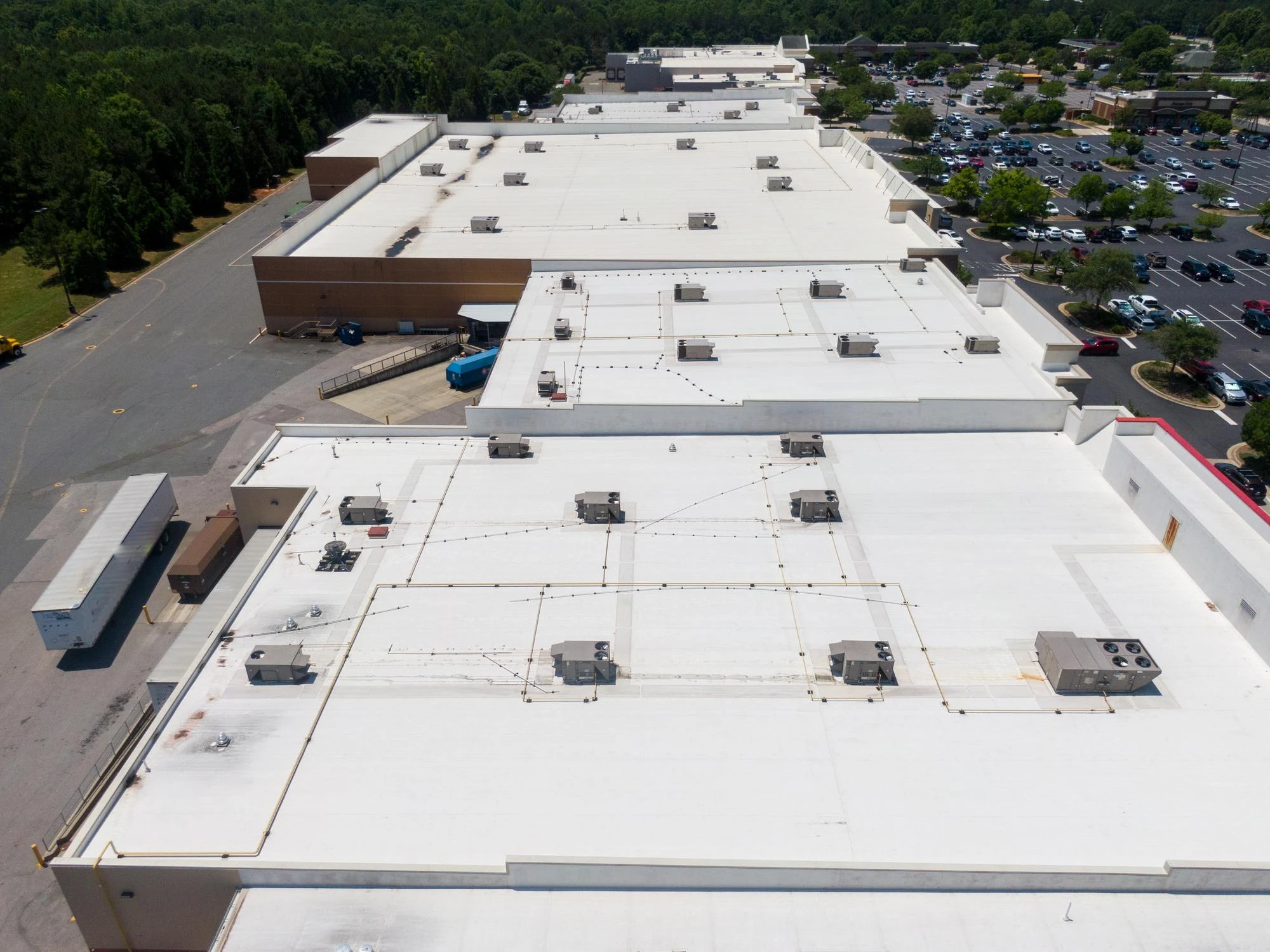
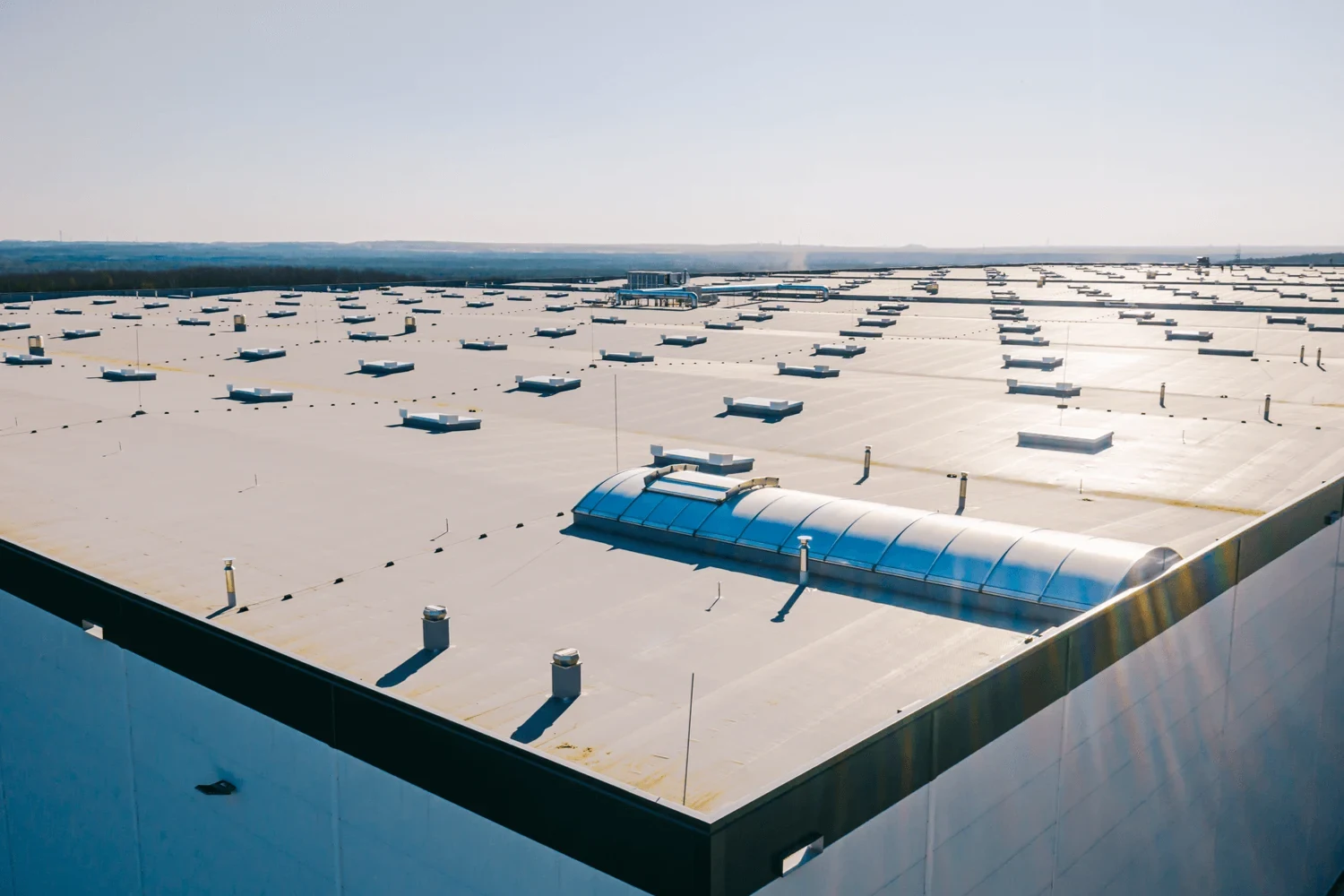
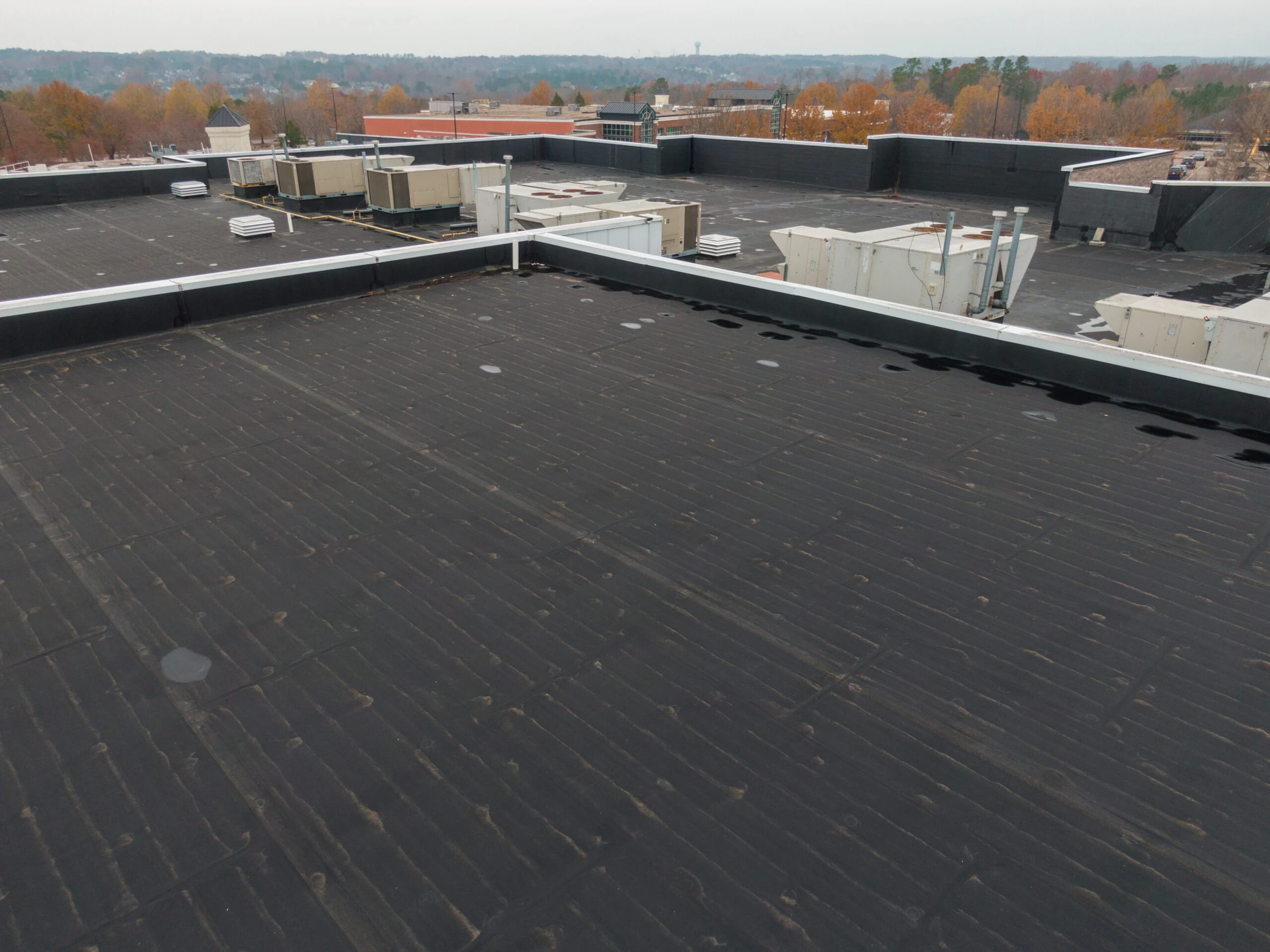
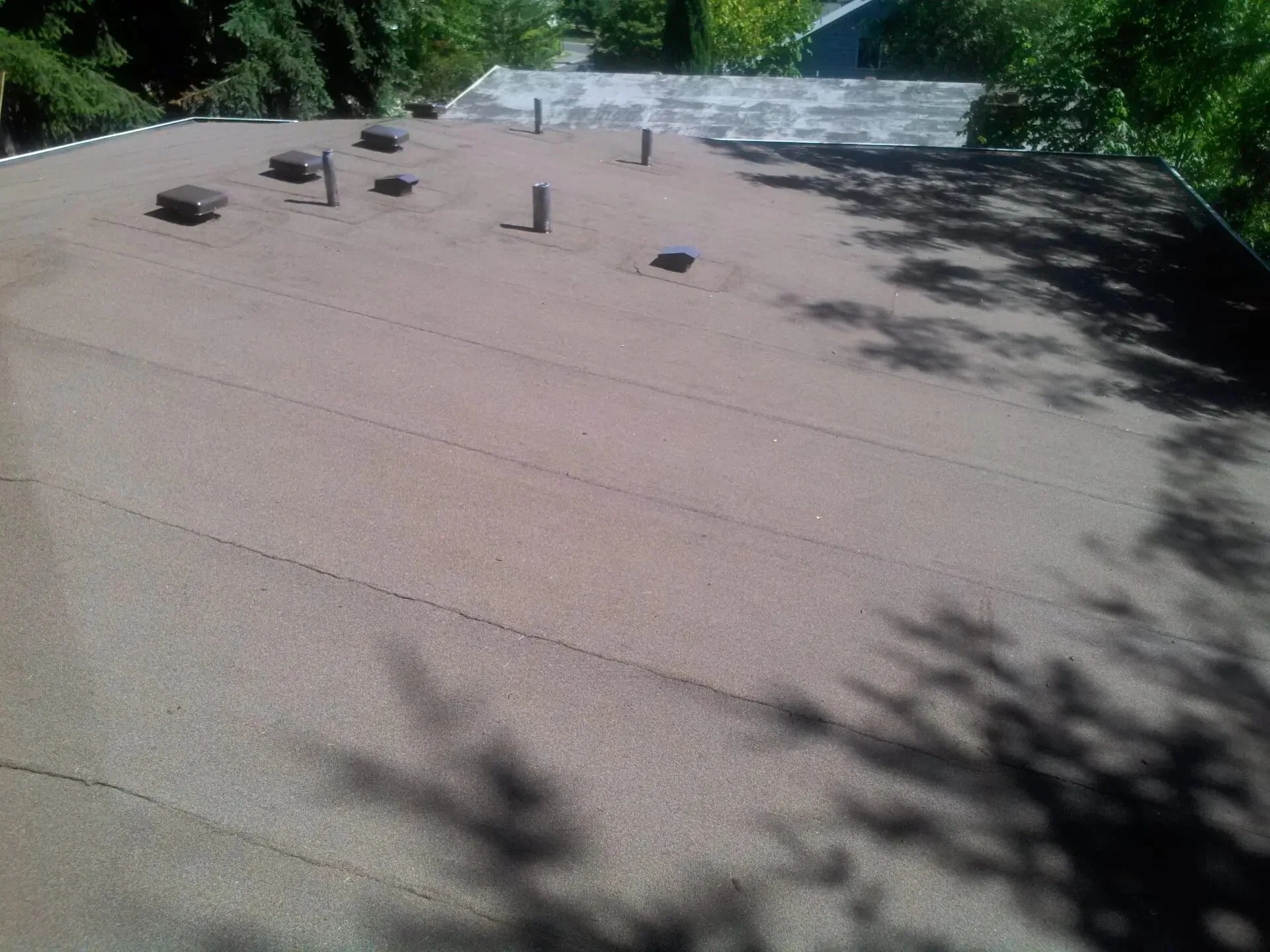
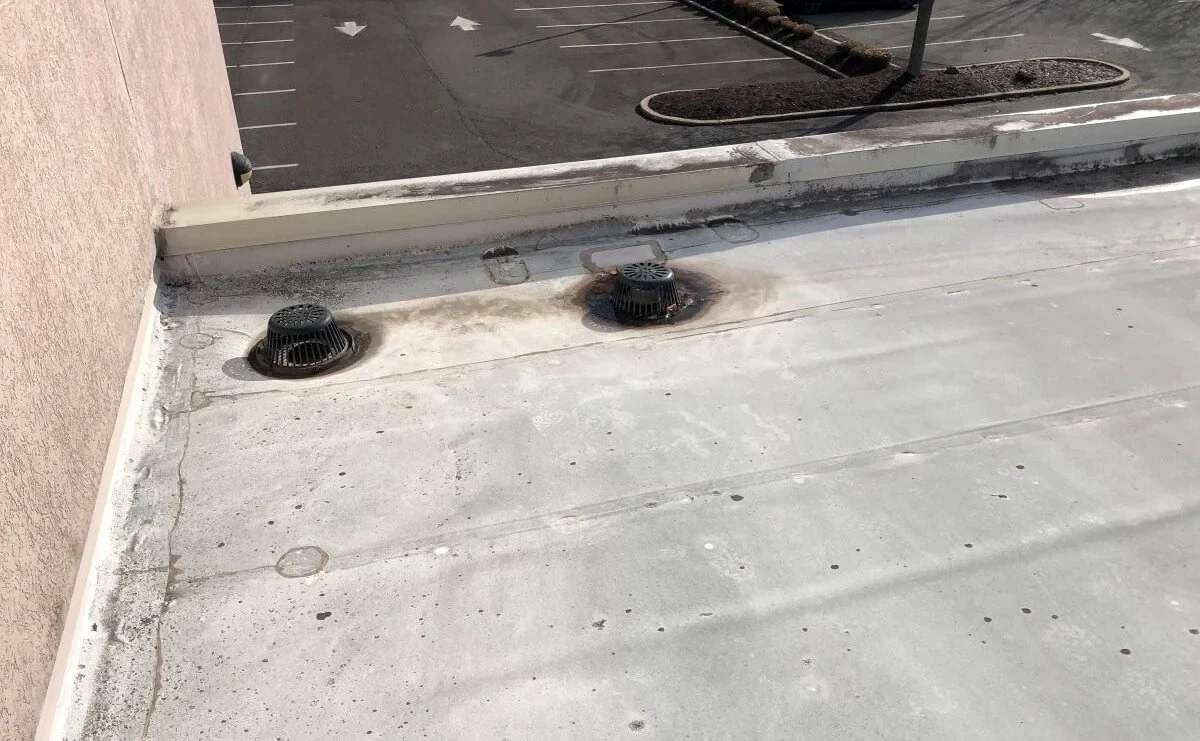
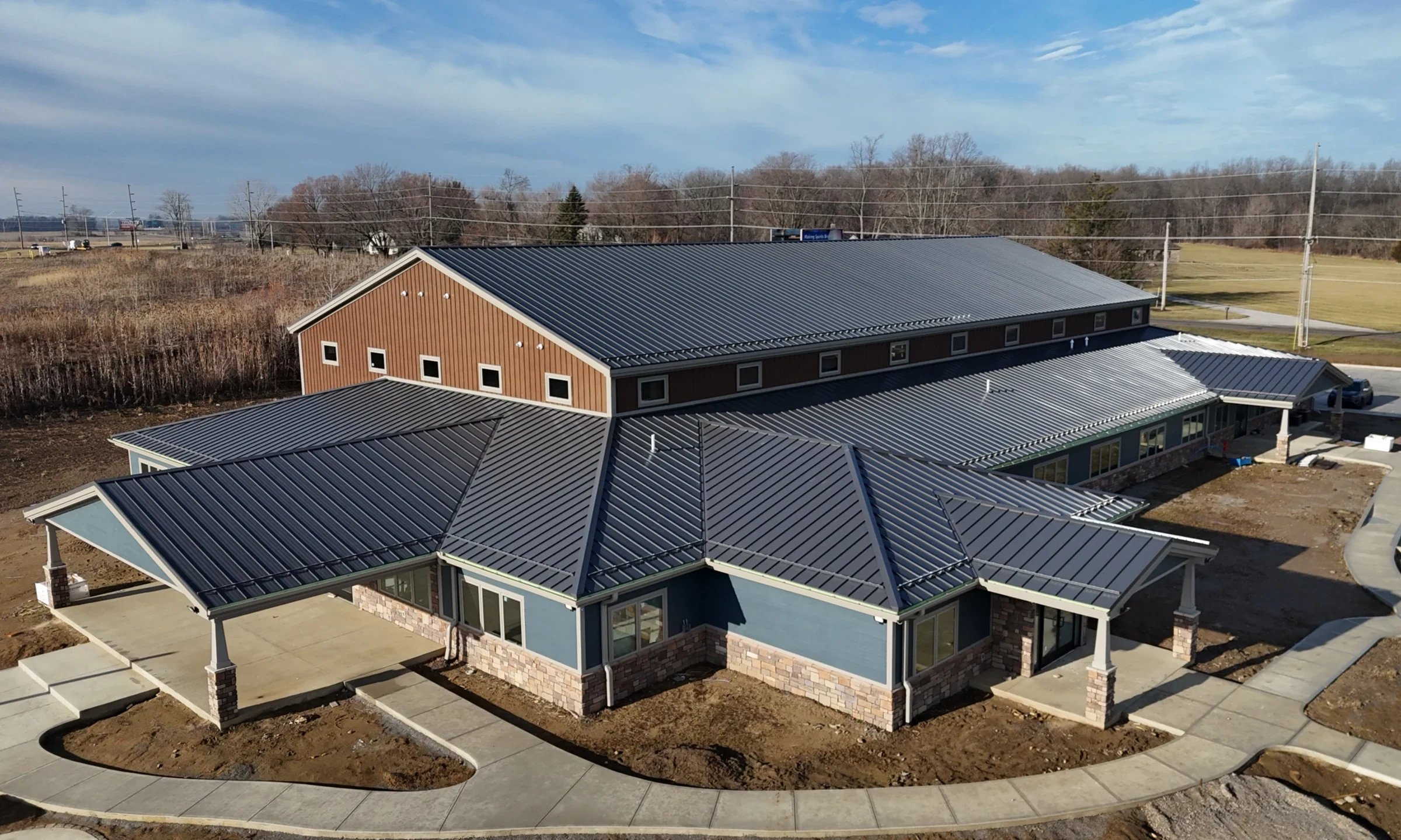
White TPO Membranes and the Silicon Slopes Cooling Load Problem
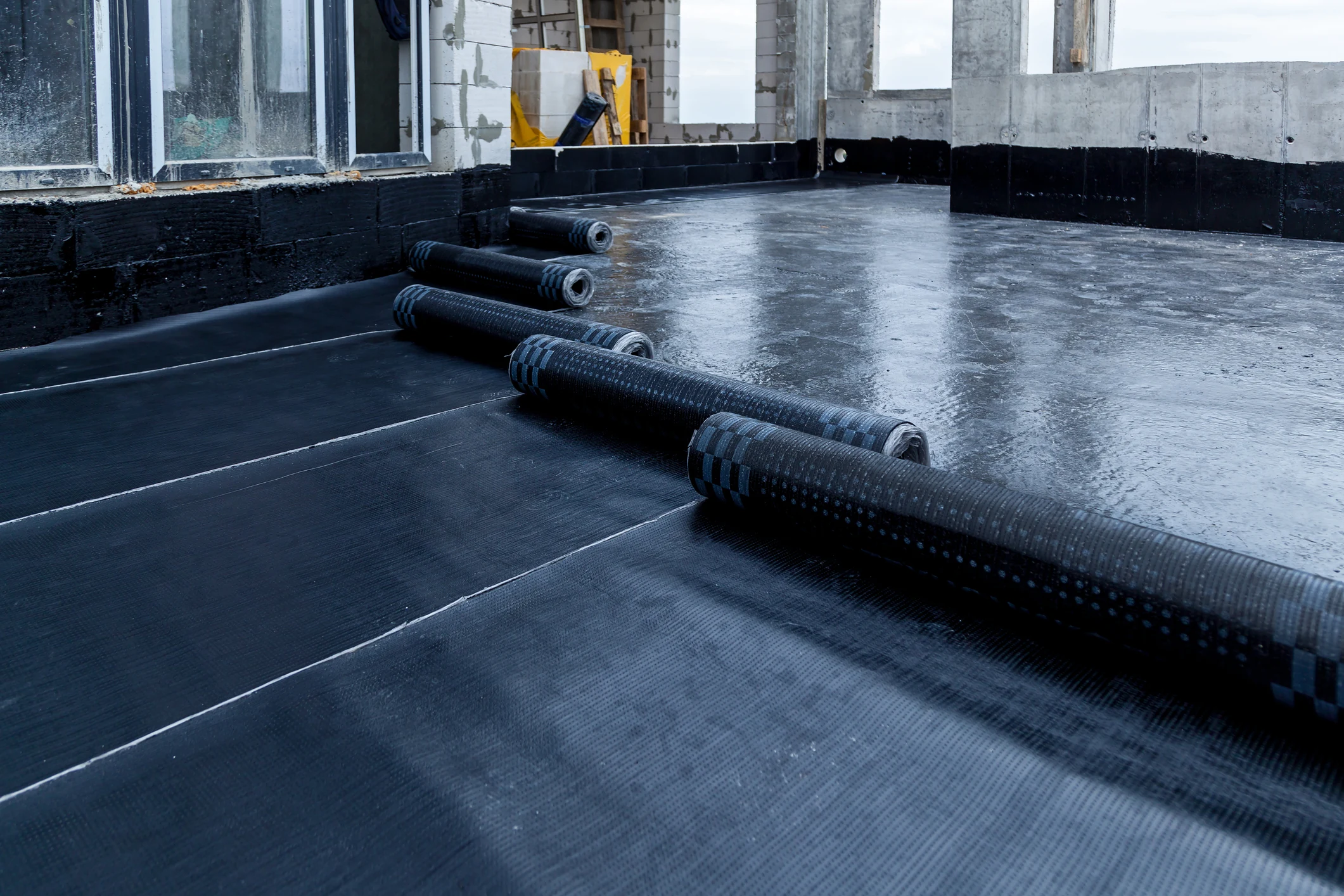
Thermoplastic polyolefin has become the default single-ply membrane on new commercial construction across Lehi, Pleasant Grove, and the rest of the Silicon Slopes office corridor. We install and service TPO because it heat-welds into a monolithic sheet, resists the UV exposure that comes with Provo's elevation, and reflects enough solar heat to change what a building's rooftop units actually have to do.
Why TPO Fits the New Office Stock in Lehi and American Fork
Tech campuses and flex office buildings going up along the Silicon Slopes corridor are almost always specified with white TPO from the general contractor's side, and for good reason. A reflective membrane keeps deck temperatures dramatically lower than a dark cap sheet on a July afternoon, which matters directly to rooftop HVAC equipment that is already sized tight against the mechanical budget. We inspect these roofs during and shortly after the warranty period to catch seam or flashing issues before they become the building owner's problem instead of the installer's.
Older buildings converting from EPDM or built-up roofing to TPO see a similar benefit, though the payoff is more dramatic on a roof that was previously dark and uninsulated.
Reflectivity, Insulation, and the Utility Bill
The energy case for TPO is straightforward: a reflective membrane surface lowers the heat load transferring through the roof assembly, which lowers how hard the rooftop units have to run to hold setpoint. Pair that with adequate polyisocyanurate insulation underneath, and the combination shows up on a summer utility bill in a way that a dark, under-insulated roof never will. We size insulation thickness to the building's actual use, not a minimum-code number, because a distribution warehouse with high internal heat gain from equipment behaves differently than an office building with a conditioned interior.
In winter, that same insulation package works the other direction, cutting the heat loss that drives up a building's gas or electric heating cost during the coldest stretches along the Wasatch Front.
Seam Welding Under Freeze-Thaw and Canyon Wind
TPO's hot-air welded seams are one of its strongest advantages over adhesive-seamed systems, but only when the welds are done correctly and tested. Freeze-thaw cycling puts repeated stress on any seam that was under- or over-welded during installation, and canyon wind funneling down through Provo Canyon puts uplift pressure on membrane edges and corners that a poorly fastened system will not hold. We probe every seam on an inspection, not simply the visible laps, because a weld that looks fine on the surface can still be compromised underneath.
Perimeter and corner fastening density gets extra attention on any building in a wind-exposed location, including sites near the mouth of a canyon or on an elevated pad with clear exposure.
60-Mil vs 80-Mil: Picking Thickness for Altitude UV
Membrane thickness is not simply a cost lever. At Provo's elevation, UV exposure is more intense than at sea level, and thinner membranes show surface degradation, chalking, and eventual seam stress faster under that exposure. We spec 60-mil TPO on standard low-traffic roofs and step up to 80-mil on buildings with heavier foot traffic from rooftop mechanical service, higher wind exposure, or an ownership group planning to hold the property for the long term rather than sell in a few years. The price difference between the two thicknesses is modest compared to the cost of a membrane replacement ten years earlier than expected, and we lay out that math plainly for owners weighing the decision.
Fastening pattern and insulation board selection matter just as much as membrane thickness. A mechanically attached system performs differently under wind uplift than a fully adhered one, and we choose based on deck type, building height, and exposure rather than defaulting to whichever method is fastest to install.
Where TPO Makes Sense
We install and repair TPO on a range of building types across Utah County:
- New office and flex campuses in Lehi and Pleasant Grove
- Big-box and multi-tenant retail strip roofs
- Medical office buildings with rooftop mechanical loads
- Warehouse and distribution roofs converting from EPDM
- K-12 and higher education buildings with summer cooling demand
- Hotel and hospitality properties near I-15 interchanges
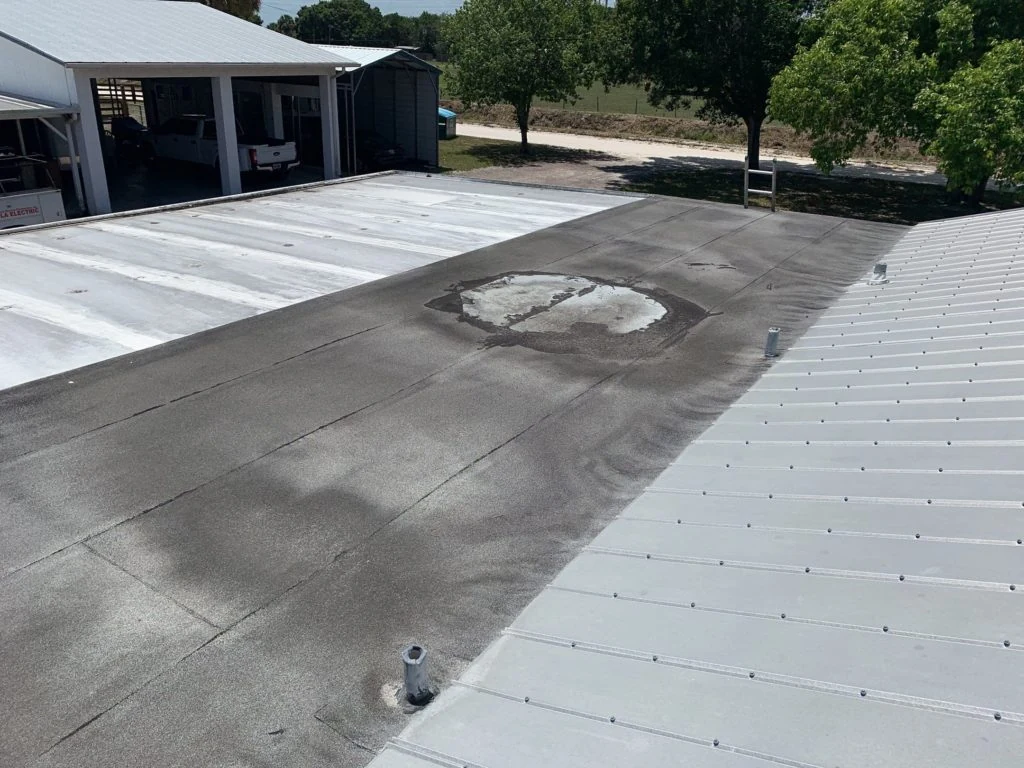
It is a poor fit for roofs with heavy ponding water issues unless drainage is corrected first, since standing water accelerates any membrane's aging regardless of reflectivity.
What Provo and Orem Owners Ask About TPO
Does white TPO actually lower cooling costs at this elevation?
Reflective membrane surface temperature runs significantly cooler than a dark membrane under direct summer sun, which reduces the heat load reaching the insulation and deck. The effect is most noticeable on buildings with rooftop units sized close to their capacity.
How long does a properly installed TPO roof last here?
Service life depends heavily on membrane thickness, insulation quality, and how well seams were welded during installation. Thicker membranes and correctly detailed flashings hold up longer under the area's freeze-thaw and UV exposure.
Can TPO be installed over an existing roof?
In many cases, yes, as a recover system, provided the existing deck and insulation are dry and structurally sound. We test for trapped moisture before recommending recover over tear-off.
Is TPO a good choice for buildings still inside a construction warranty?
Yes, and we specifically inspect warranty-period TPO roofs for installation defects, since catching a seam or flashing issue early is far less costly than after the warranty expires.
Does canyon wind exposure change the installation?
Yes. Buildings with clear wind exposure, particularly near canyon mouths, need denser perimeter and corner fastening patterns than the field of the roof requires under standard wind uplift calculations.