Built-Up Roofing in Provo, UT
Commercial Roofing • Commercial Roofing Services • Provo,
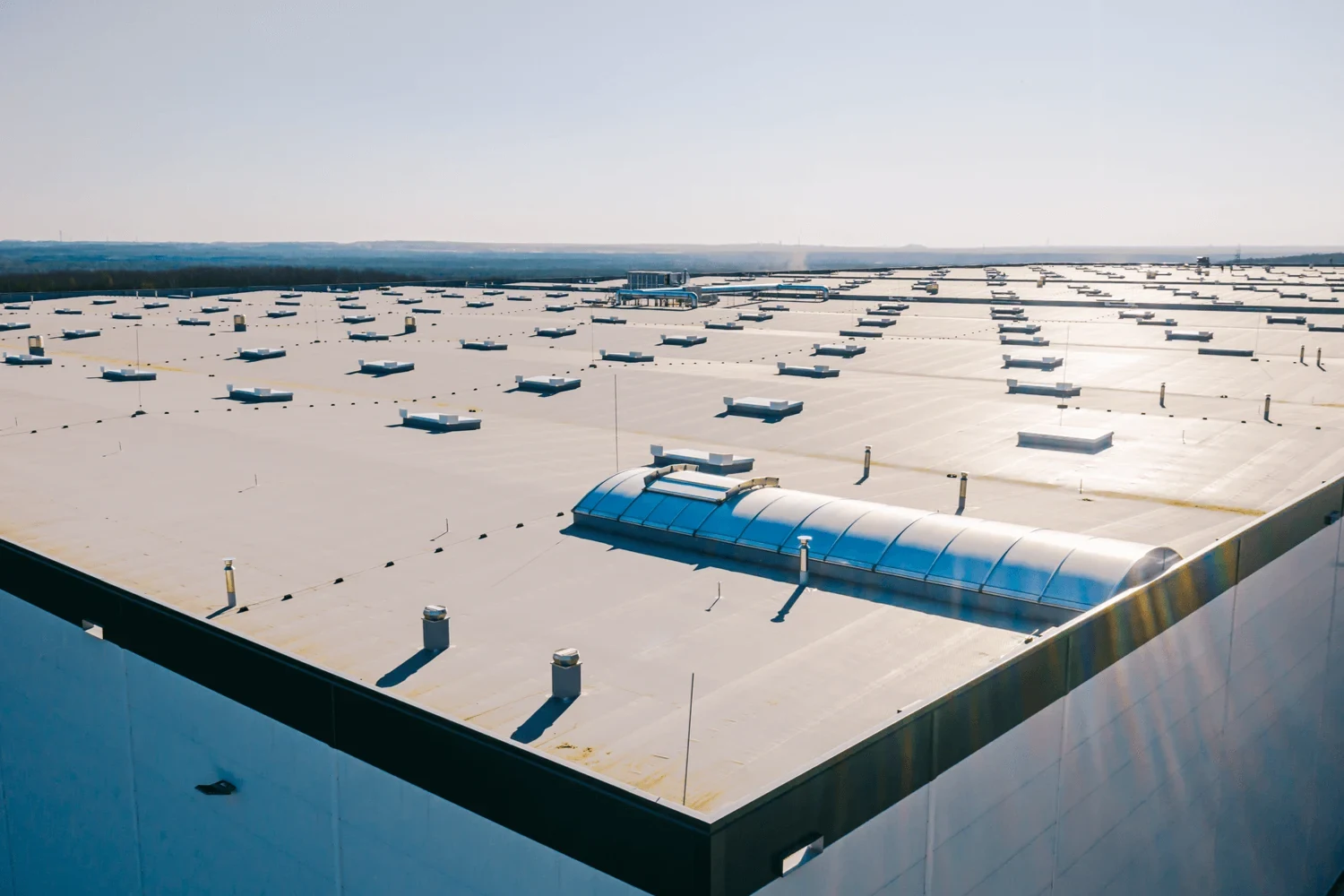
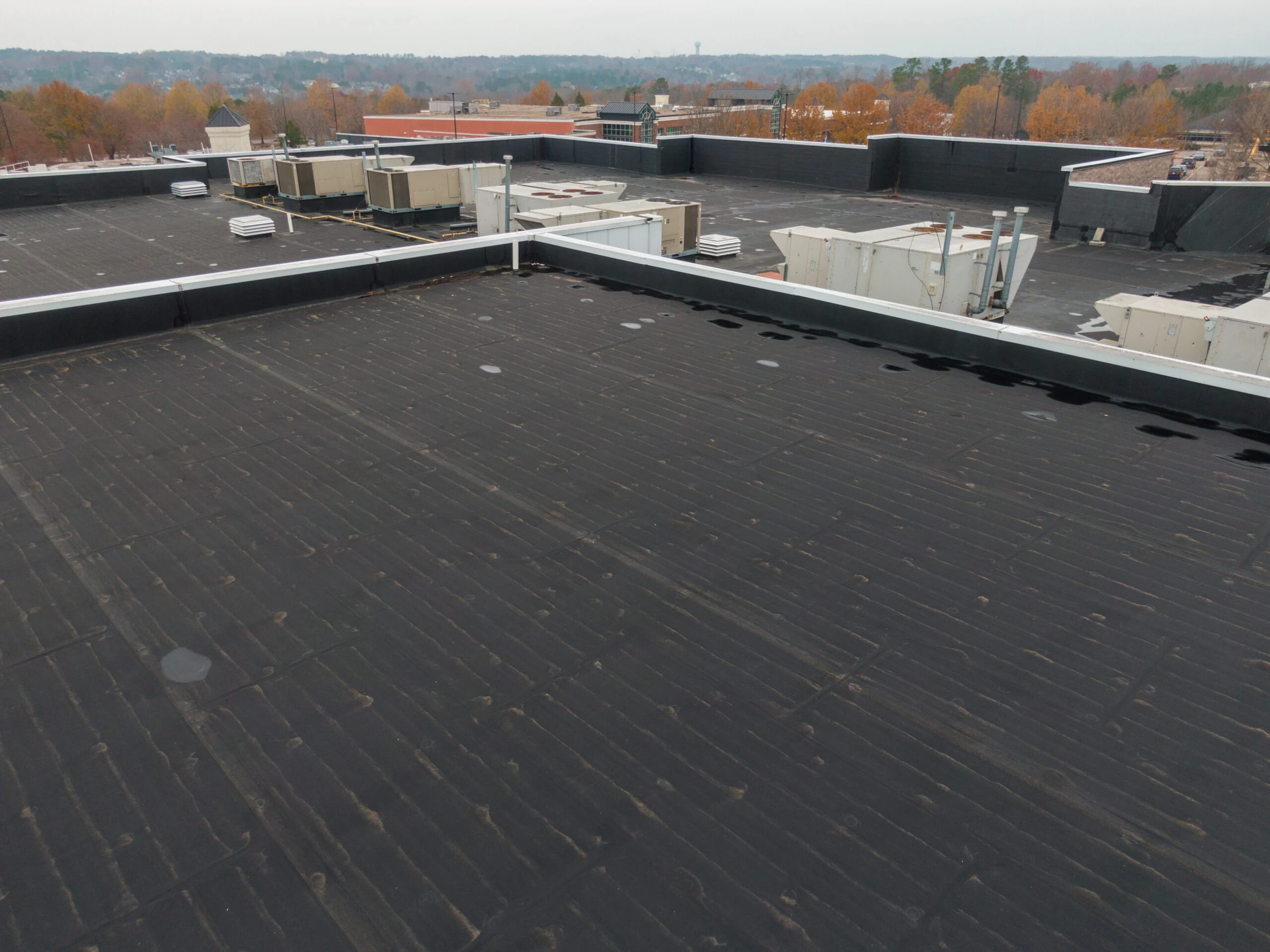
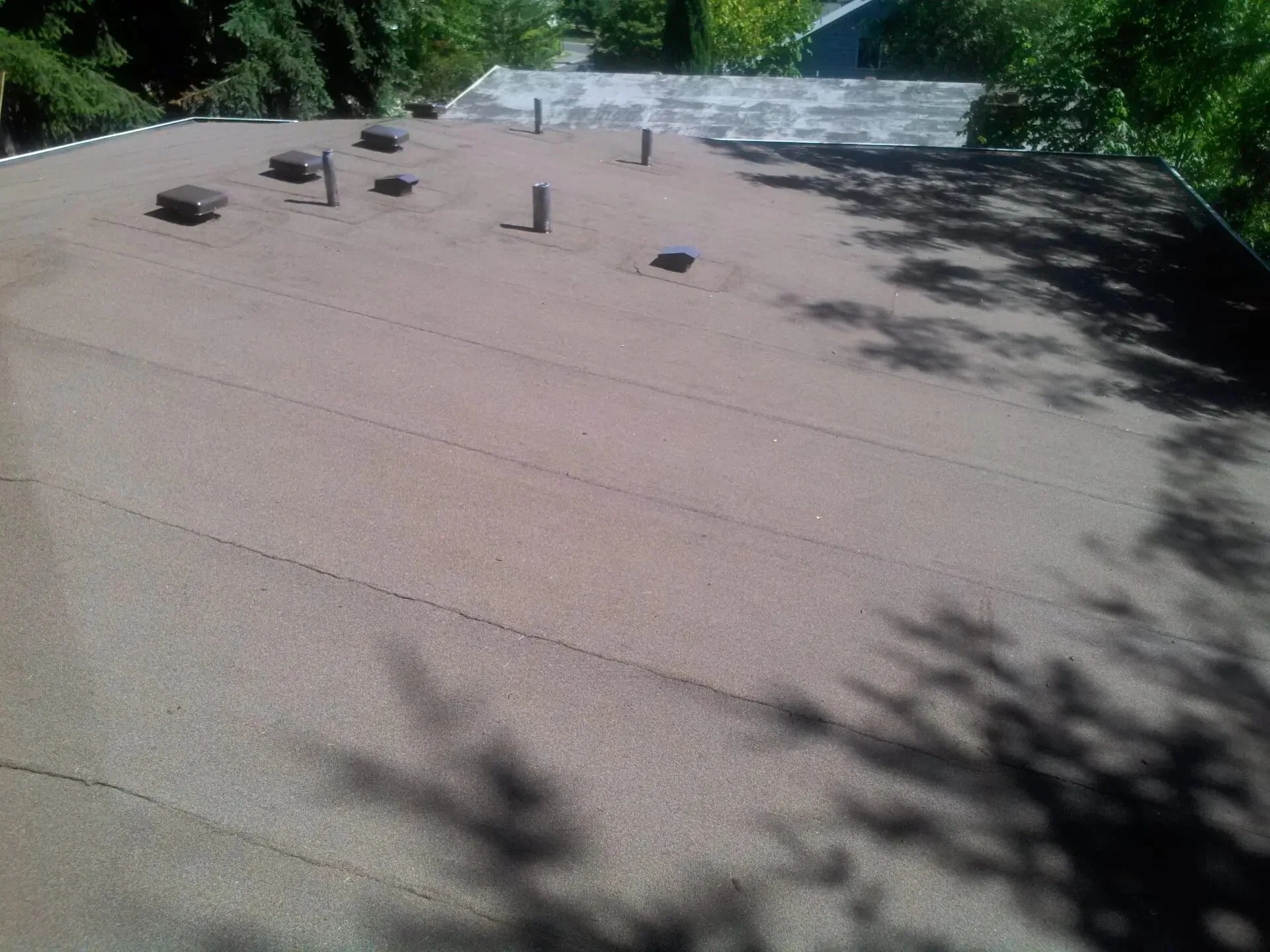
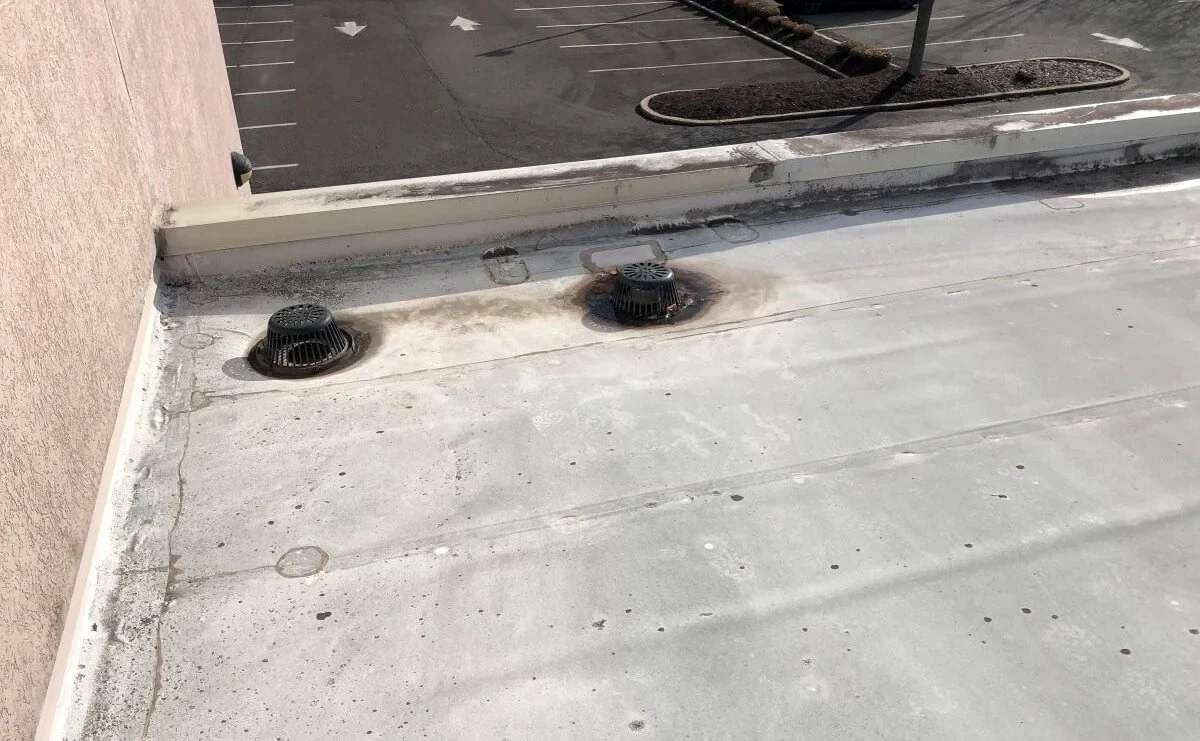
Gravel-Ballast Built-Up Roofs on Provo's Oldest Commercial Blocks
Built-up roofing, the layered asphalt and felt system most people just call BUR, predates almost everything else we install today, and a real share of it is still doing its job on the brick commercial buildings near downtown Provo and around the older edges of the BYU campus. We repair, recover, and when a roof has run out of options, replace these systems, and most of that work starts with an honest read on how much service life is actually left.
The Multi-Ply System Still Working Near Campus
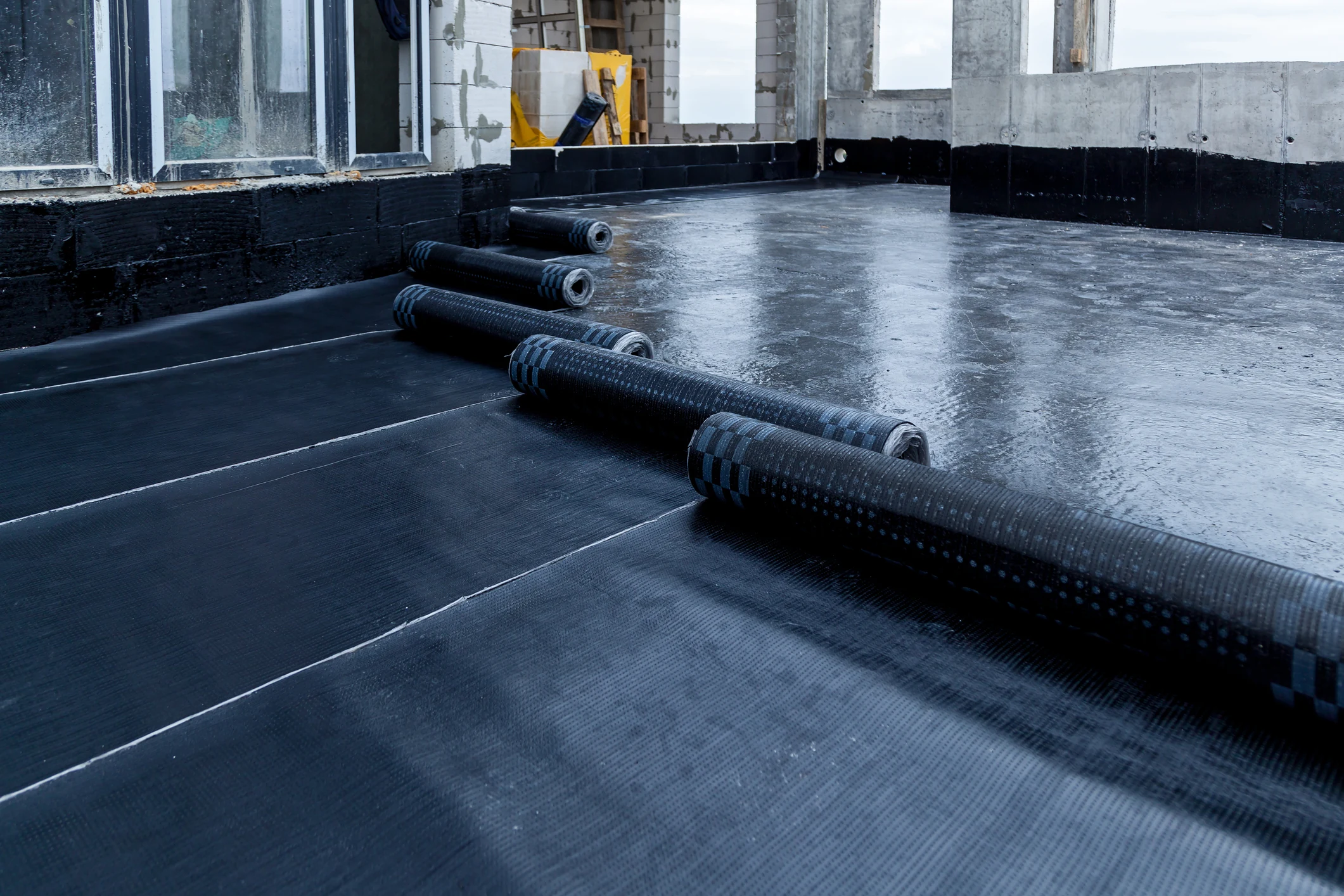
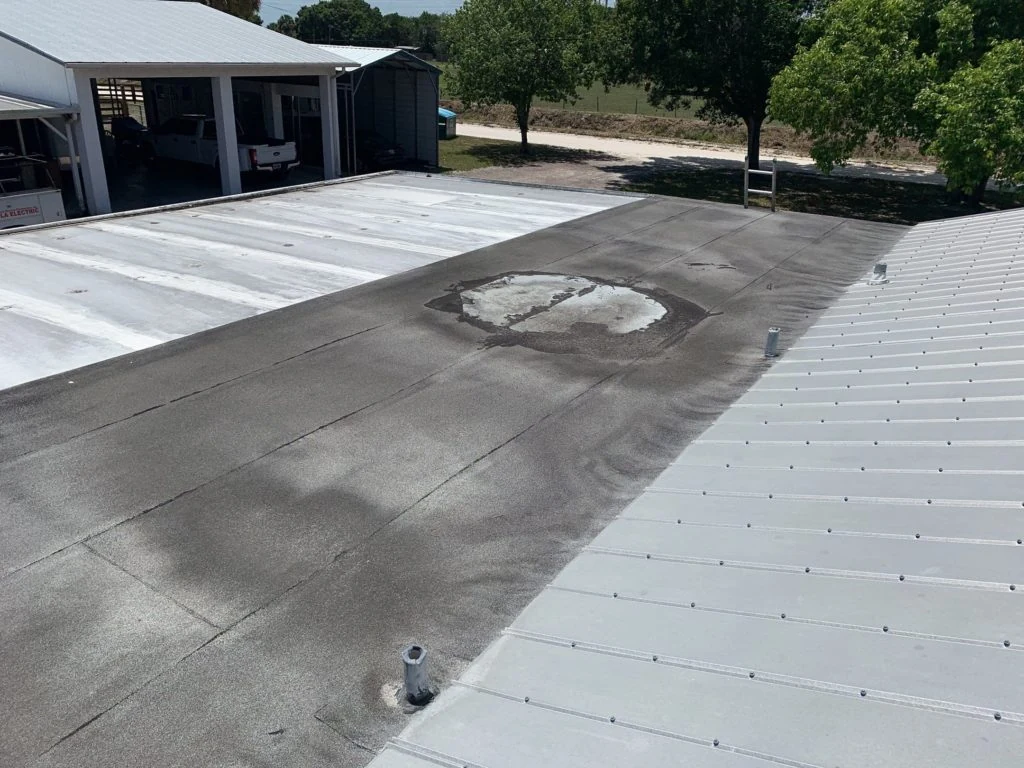
A standard BUR assembly layers alternating plies of asphalt-saturated felt and hot asphalt, finished with a gravel or mineral aggregate surface that protects the plies underneath from direct UV exposure. That redundancy is the system's biggest strength: a small puncture or split in the top layer does not automatically compromise the whole roof, the way it can on a single-ply membrane. It is also why so many of these roofs on academic-adjacent commercial buildings near BYU have outlasted their original design life by a decade or more, provided someone has been keeping the surfacing and flashings maintained along the way.
The buildings we see this on most are the smaller commercial blocks that were built or last reroofed before TPO and PVC became the default specification, brick storefronts and small office buildings where a full tear-off has kept getting deferred because the roof, while old, has not been actively failing.
Aggregate Surfacing, Reflectivity, and the Thermal Mass Trade-Off
Gravel or mineral aggregate surfacing on a BUR roof does more than protect the asphalt plies from UV; it also adds thermal mass that moderates how fast the roof deck heats and cools. That mass works against a building's cooling load less than a dark, unprotected membrane would, but it still falls well short of the reflectivity a white TPO or silicone-coated roof delivers. At Provo's elevation, where UV intensity runs higher than at sea level, a thinning or displaced gravel layer exposes the asphalt underneath faster than owners expect, and that exposed asphalt absorbs heat directly into the building's cooling load through the summer months.
We check aggregate coverage as a standard part of any BUR inspection, because bare spots are usually the first visible sign that a roof needs surfacing work well before any active leak shows up. Restoring coverage, or converting to a reflective coating instead, is often the lowest-cost way to buy several more years of service life while also cutting rooftop unit runtime during peak summer demand.
Freeze-Thaw Stress on Ballast and Blisters
Wasatch Front winters put two specific kinds of stress on a BUR roof that flatland assemblies rarely deal with. Repeated freeze-thaw cycling works into any gap where moisture has already gotten between plies, widening blisters that started as a small void and turning them into a real leak path over successive winters. Gravel ballast itself can also shift under heavy snow load and spring runoff, exposing membrane in some areas while piling up unevenly in others.
We probe suspected blisters during inspection rather than just noting them visually, because a blister that looks cosmetic can already have trapped moisture working underneath it. Left through another winter, that moisture cycle usually turns a small spot repair into a section that needs full ply replacement.
Recover, Patch, or Full Tear-Off
The decision on an older BUR roof almost always comes down to three options, and we test the existing assembly before recommending any of them. If the base plies are dry and well-adhered to the deck, a new modified bitumen or reflective coating layer over the existing system can extend service life at a fraction of tear-off cost. If moisture has worked into the insulation board underneath, recover just seals the problem in, and tear-off becomes the honest recommendation even though it costs more up front.
- Downtown Provo brick storefronts on original or once-recovered BUR
- Small office buildings near BYU's southern campus edge
- Institutional buildings with multi-decade-old gravel-ballast roofs
- Buildings where a reflective coating over sound BUR can defer tear-off
- Roofs with isolated blister or seam damage needing targeted patch repair
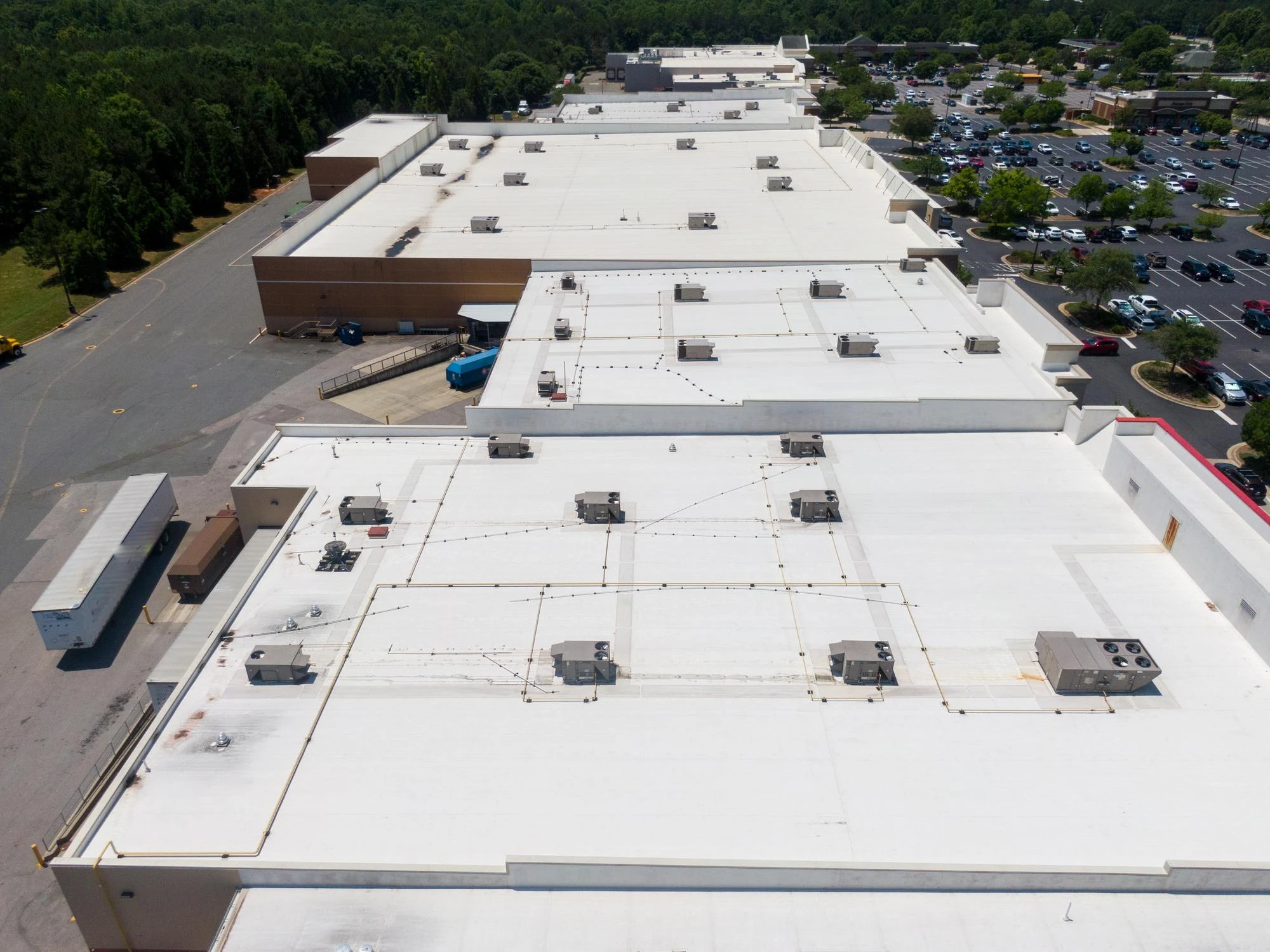
For roofs that test dry and structurally sound, we usually recommend recover over replacement, since the cost difference is significant and the performance gap, once a reflective cap sheet or coating is added, is smaller than most owners assume.
What We Check on a BUR Inspection
Every BUR inspection starts with a walk of the full roof, not a summary from a satellite photo. We look at aggregate coverage, probe for blisters, check flashing condition at parapets and penetrations, and confirm drains are clear and properly sloped. On buildings that have been recovered once already, we also check how that recover layer has bonded to what is underneath, since a poorly adhered recover can hide a bigger problem in the original plies.
Owners considering a move to a single-ply system like TPO instead of another BUR recover should weigh the tear-off cost against the reflectivity and lower maintenance a membrane roof offers going forward. We lay out both paths plainly rather than steering owners toward whichever job is larger.
Questions Provo Owners Ask About Built-Up Roofs
How do I know if my BUR roof still has useful life left?
We test for trapped moisture in the insulation and check ply adhesion. A dry, well-bonded roof with worn surfacing usually has more life left than owners expect, even if it looks rough from the ground.
Is gravel ballast still a good surfacing choice today?
It still works, but a reflective coating or cap sheet generally delivers better cooling-load performance for buildings with tight HVAC budgets. We compare both options against the building's actual energy use.
Can a blister be repaired without replacing the whole roof?
Usually, if it is caught before moisture has spread. We cut out and patch the affected area rather than recommending a full recover for an isolated blister.
Does an older BUR roof need to be torn off before installing TPO?
Not always. If the deck and insulation test dry, TPO can sometimes be installed as a recover over a sound BUR system, though we evaluate that case by case.
How often should an aging BUR roof be inspected?
Twice a year at minimum on a roof past its original design life, once before winter and once after spring runoff, since that is when drainage and blister problems are easiest to spot.