Commercial Roof Coatings in Provo
Commercial Roofing • Commercial Roofing Services • Provo,
Acrylic Recoats for Faded Metal Roofs in Highland and Alpine
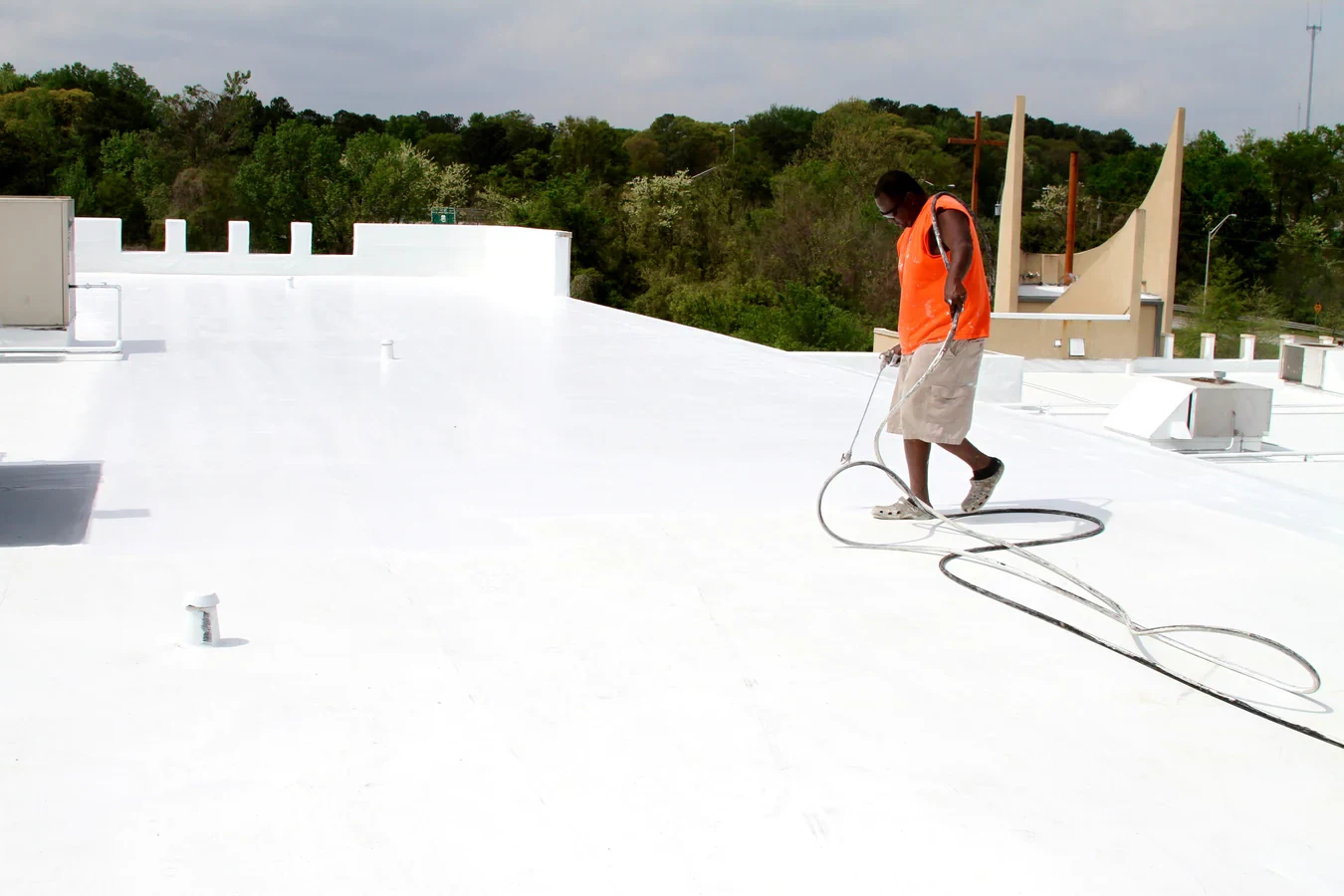
A coating recommendation starts with adhesion, moisture, drainage, membrane condition, detail preparation, and warranty eligibility,not every existing roof is a restoration candidate. Acrylic coatings cost less than silicone and bond well to metal, which makes them the more common choice for recoating the R-panel and standing seam roofs on small commercial buildings and retail centers in bedroom communities like Highland and Alpine, where budgets are tighter and the roofs in question are sloped rather than flat. We apply acrylic where its specific advantages line up with the roof type, and we steer owners toward a different coating where they do not.
Where Acrylic Beats Silicone: Sloped Metal, Not Standing Water
Acrylic's main weakness, sensitivity to prolonged standing water, is largely irrelevant on a sloped metal roof, since water sheds off a properly pitched standing seam or R-panel roof rather than pooling on it. On that kind of substrate, acrylic's advantages take over: lower material cost, strong adhesion to bare or lightly rusted metal, and a track record of holding reflectivity well on the panel profiles common across Utah County's retail and small commercial stock. We reserve silicone for flat, low-slope membrane roofs where ponding water is a real risk, and specify acrylic on the sloped metal roofs where it is genuinely the better-value choice rather than defaulting to whichever coating is more expensive.
Recoating Faded R-Panel and Standing Seam
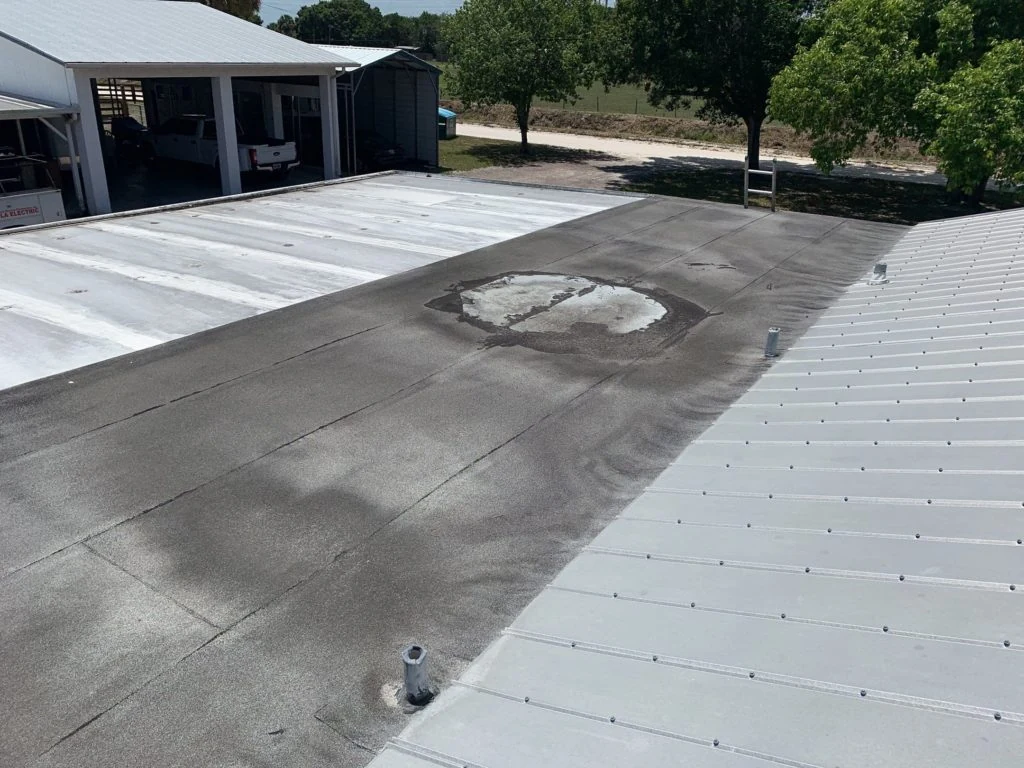
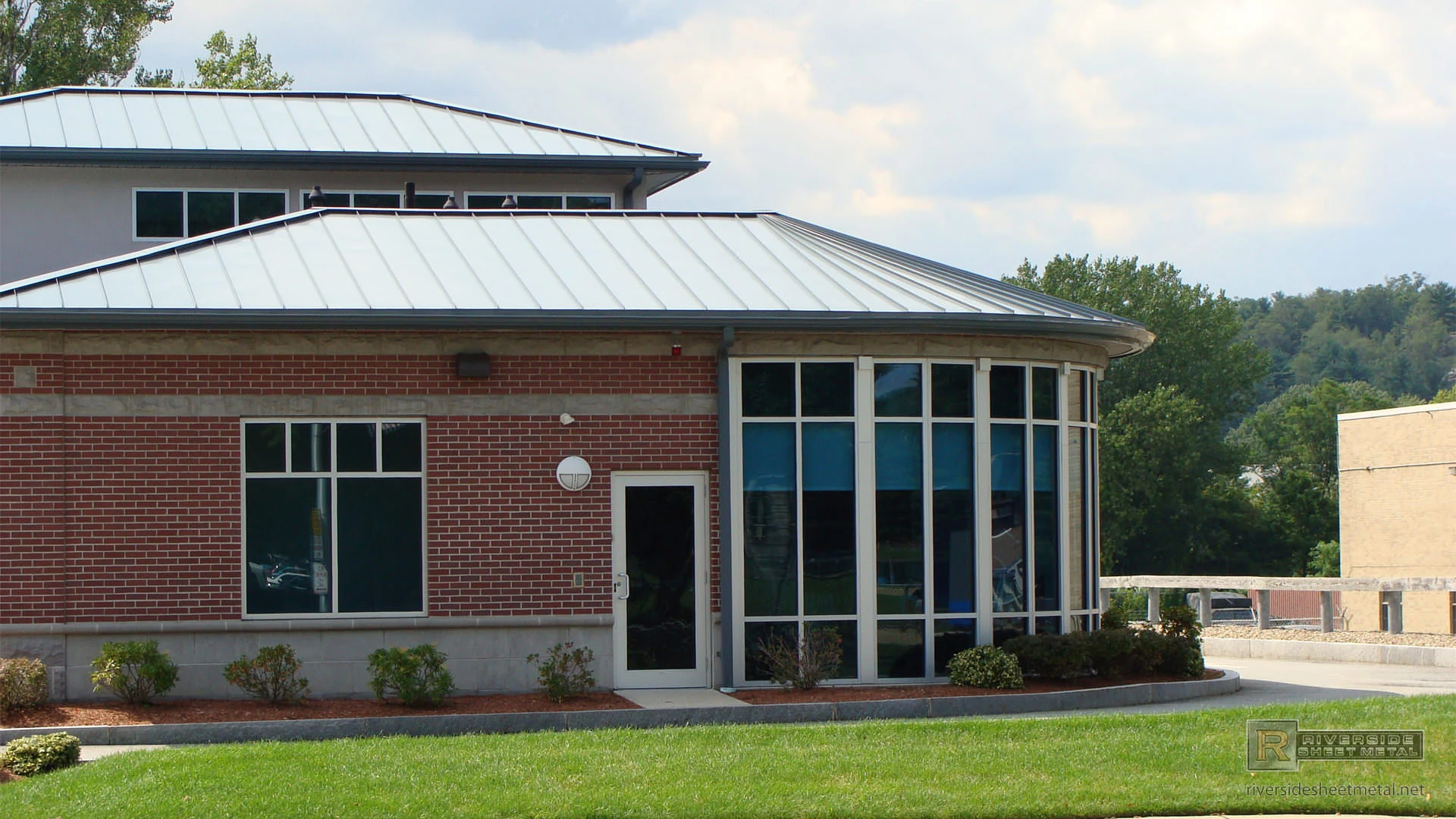
Factory finishes on metal panels lose reflectivity and color over years of UV exposure, and at Provo's elevation that fade happens faster than owners typically expect coming from a lower-altitude market. A faded R-panel or standing seam roof on a small retail building in Highland or Alpine is usually still structurally sound; it has simply lost the reflective coating that kept it performing efficiently when it was new. Acrylic recoating restores that reflectivity at a fraction of full panel replacement cost, provided the underlying metal has not developed active corrosion that needs addressing first.
We check panel seams, fastener condition, and rust before recommending a recoat, since a coating applied over active corrosion will not stop that corrosion from continuing underneath.
Reflectivity on a Cooling-Load Budget
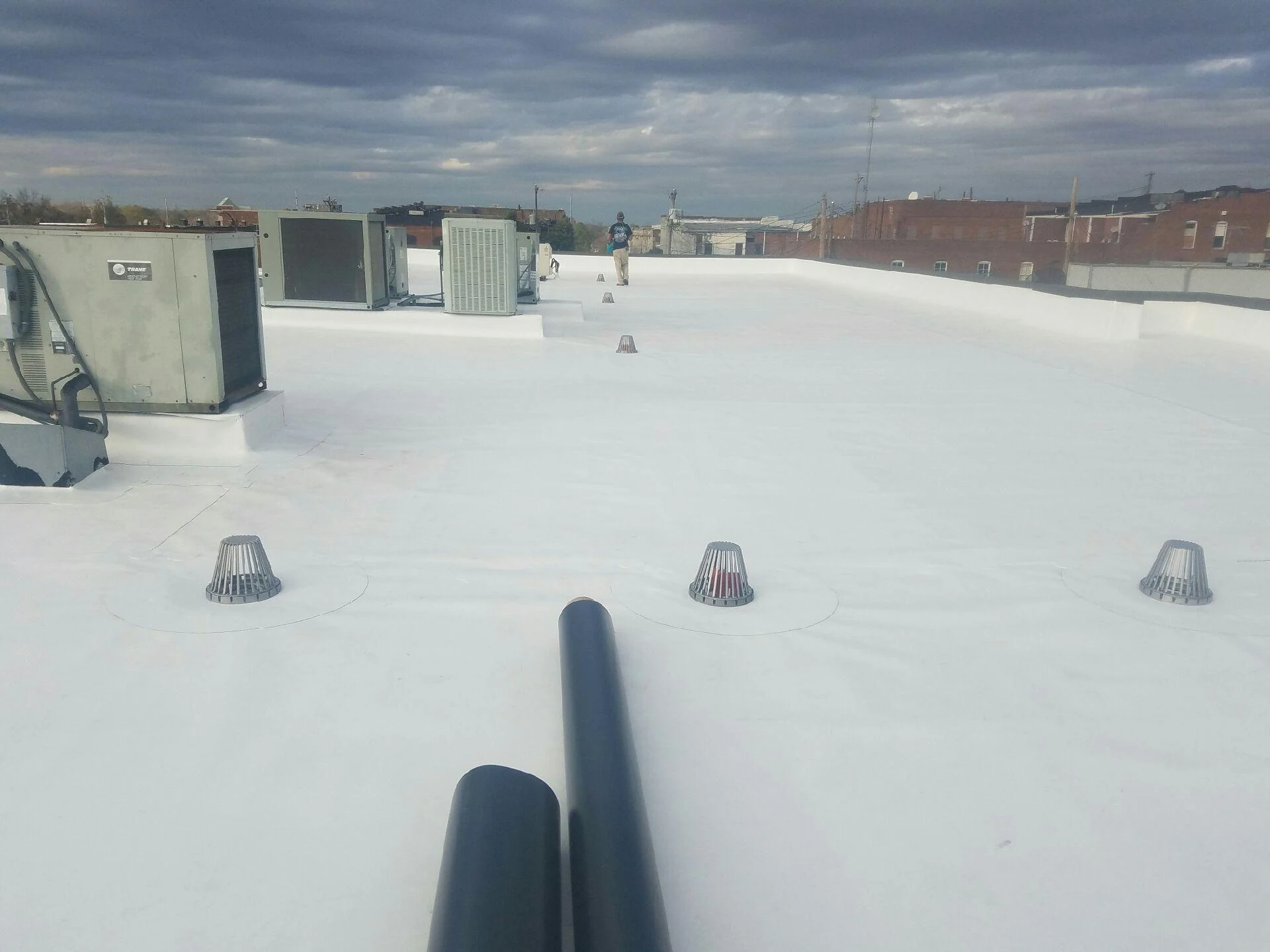
Small commercial buildings in growing bedroom communities like Highland, Alpine, and Cedar Hills often run tighter operating budgets than a larger institutional or office building, which makes a lower-cost reflectivity fix like acrylic recoating an easier decision to justify than a full roof replacement. Restoring solar reflectance on a metal roof directly reduces the heat load transferring into the building below, which shows up in summer cooling costs for any conditioned retail or office space under that roof. We estimate that reflectivity improvement against the building's actual rooftop equipment before recommending a recoat, since the payoff is larger on a building running mechanical cooling than on an unconditioned storage structure.
Recoat Cycles and What Shortens Them
A well-applied acrylic coating on a properly prepped metal roof typically holds up for a meaningful stretch before it needs another pass, but a few things shorten that cycle. Freeze-thaw cycling stresses coating adhesion at panel seams and fastener heads more than on the open field of the panel. Heavy foot traffic from rooftop equipment service abrades coating faster than a roof that goes untouched most of the year. And inadequate surface prep before the original application is the single biggest factor in an early coating failure, more so than any weather condition afterward.
We schedule a mid-cycle inspection on every recoated metal roof rather than waiting for the coating to visibly fail, since catching thinning coverage at seams and fastener heads early lets us touch up those areas instead of recoating the entire roof ahead of schedule. That inspection also gives us a chance to recheck fastener torque on R-panel roofs, since a loose screw under a coating is just as much of a leak risk as one on bare metal.
- Faded R-panel roofs on small retail buildings in Highland and Alpine
- Standing seam roofs with lightly rusted but structurally sound panels
- Agricultural metal buildings needing an economical reflectivity upgrade
- Sloped metal roofs where ponding water is not a factor
- Buildings with tighter maintenance budgets than a full panel replacement allows
When Acrylic Is the Wrong Call
We do not recommend acrylic on flat or low-slope roofs with any real ponding water history, since sustained standing water will degrade acrylic coating faster than the roof problem it was meant to solve. Those roofs generally get a silicone coating instead, or a full recover if the underlying membrane is already compromised. Acrylic is also not the right choice on a metal roof with widespread active corrosion, since coating over rust without treating it first just hides a problem that keeps getting worse.
Acrylic Coating Questions From Small Commercial Owners
Is acrylic coating cheaper than silicone?
Generally, yes, which is one reason it is popular on smaller commercial buildings with tighter maintenance budgets, provided the roof type suits acrylic's specific strengths and weaknesses.
Can acrylic be applied over lightly rusted metal panels?
Yes, after the rust is treated and the surface is properly prepped. Coating over untreated corrosion will not stop it from spreading underneath the coating.
How does altitude affect how fast a coating fades?
Higher UV intensity at Provo's elevation accelerates coating degradation compared to a lower-altitude market, which is part of why we plan recoat cycles more conservatively here than a national average might suggest.
Will acrylic coating fix a roof with standing water problems?
No. Acrylic performs poorly under sustained ponding. Roofs with that condition need either drainage correction, a silicone coating, or a different repair approach entirely.
Does a coating void the panel manufacturer's warranty?
It depends on the manufacturer and the original warranty terms. We check documentation before recommending a coating on a roof still inside its factory warranty period.