Wind & Storm Damage Roof Insurance Claims in Provo, UT
Commercial Roofing • Commercial Roofing Services • Provo,
When Provo Canyon Wind Turns a Roof Claim Into a Perimeter Problem
Wind damage on a commercial roof concentrates in predictable places, and Provo Canyon makes those places even more predictable than most metros. The canyon funnels sudden gusts down into the east side of the valley during storm events, hitting buildings near the mouth of the canyon and along the east bench harder and more directly than roofs further out toward Utah Lake. Documenting a wind claim here starts with understanding that pattern, rather than simply noting that a wind event happened.
Where Wind Damage Actually Shows Up
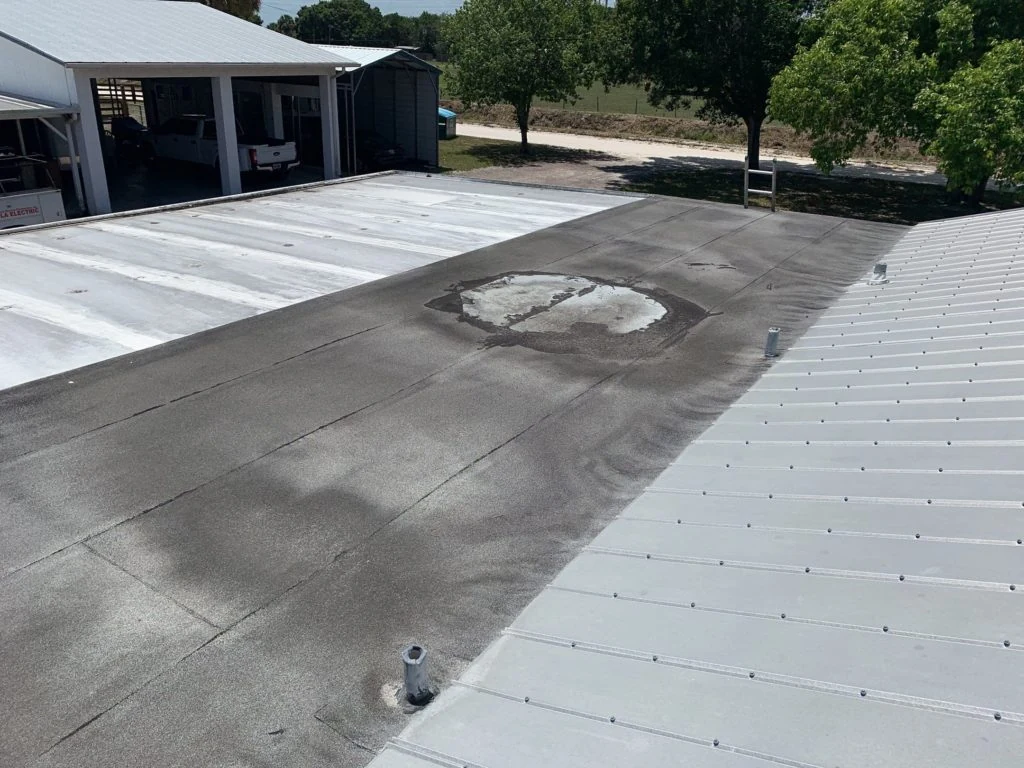
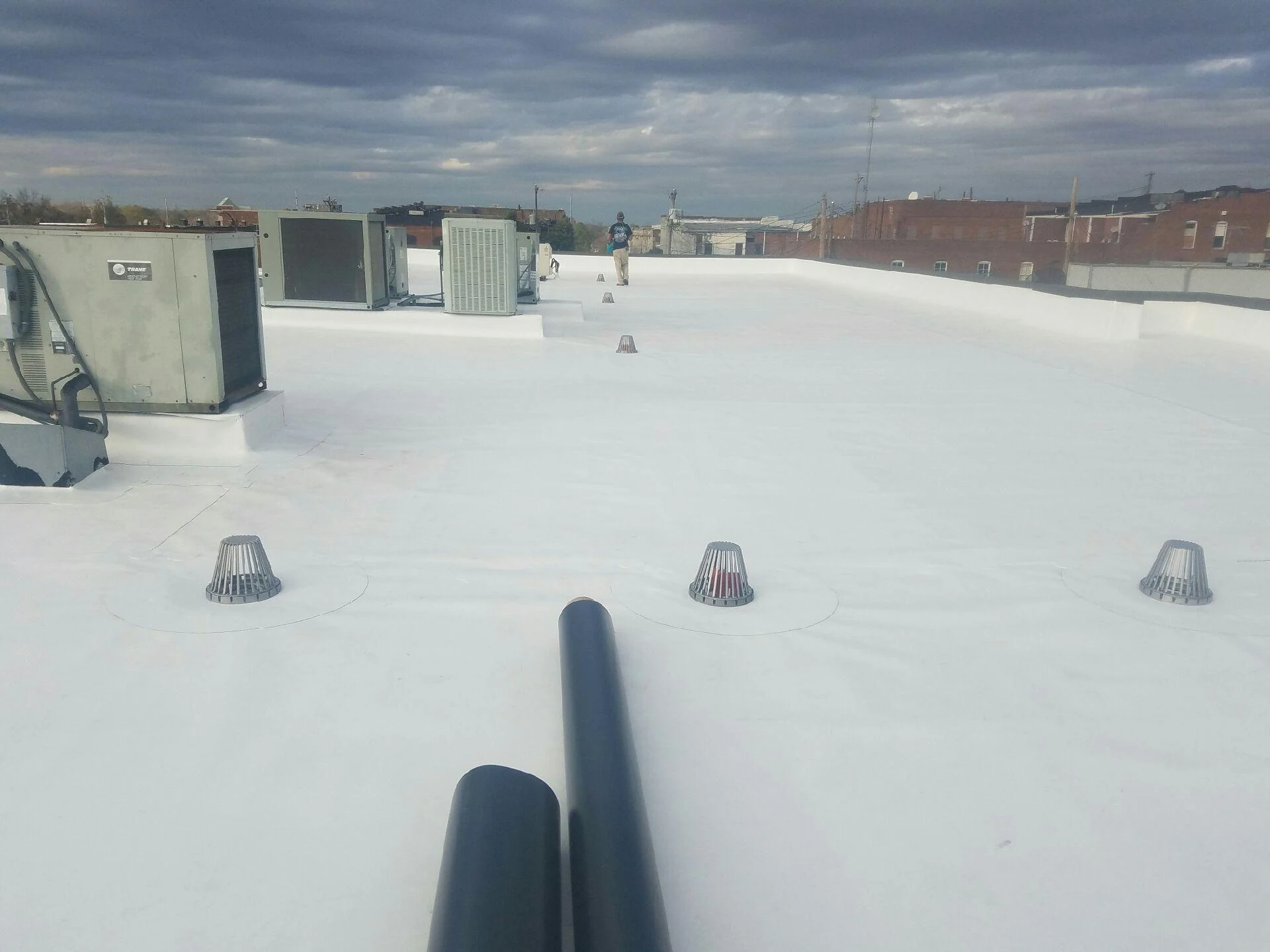
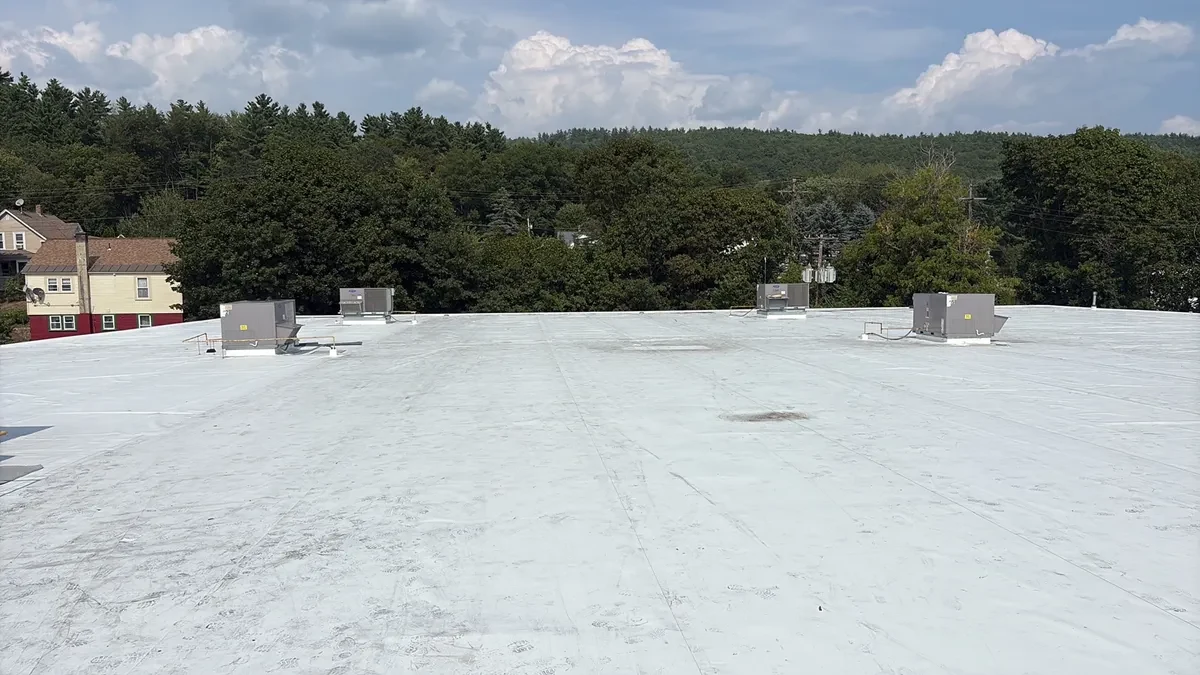
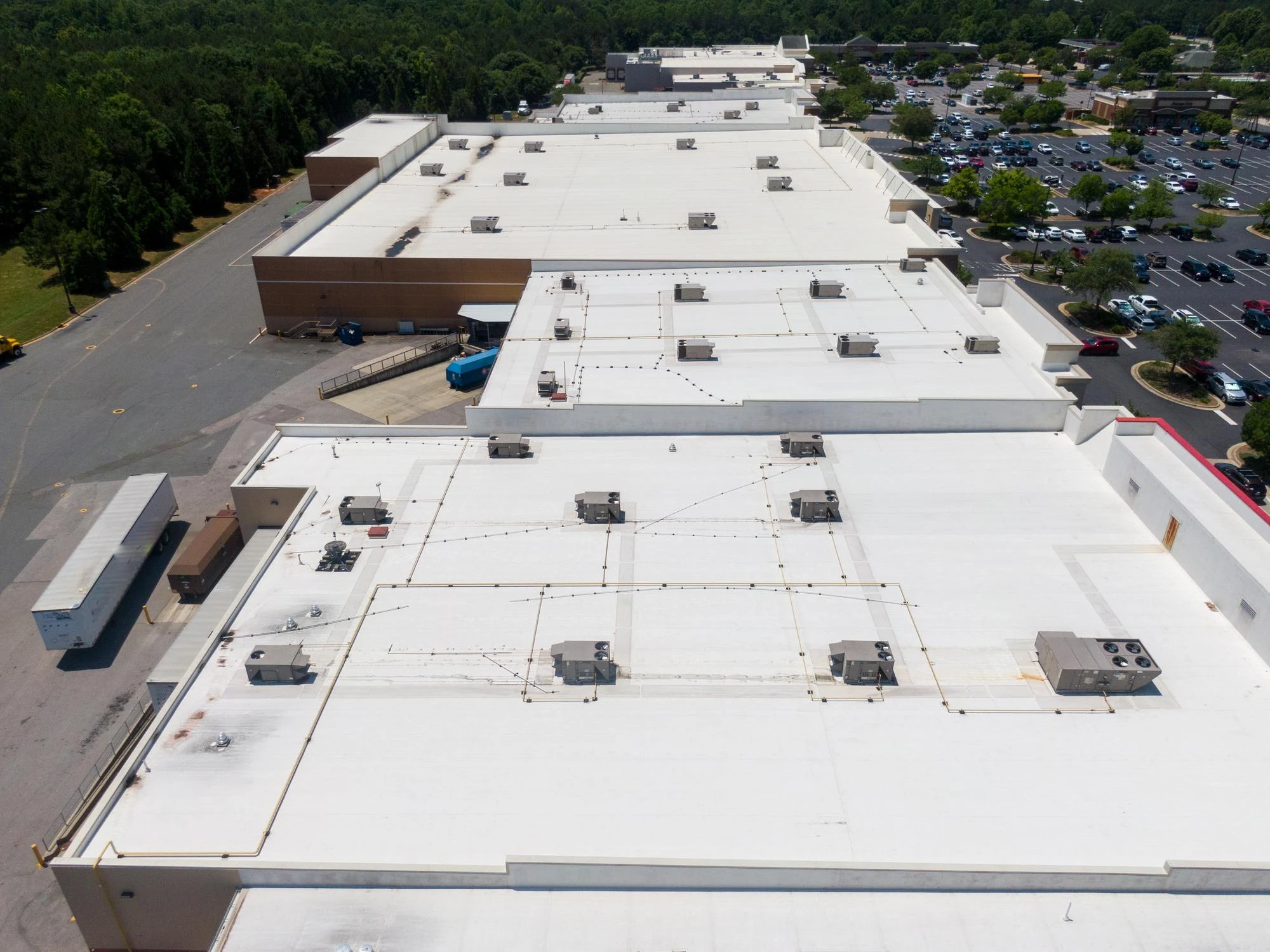
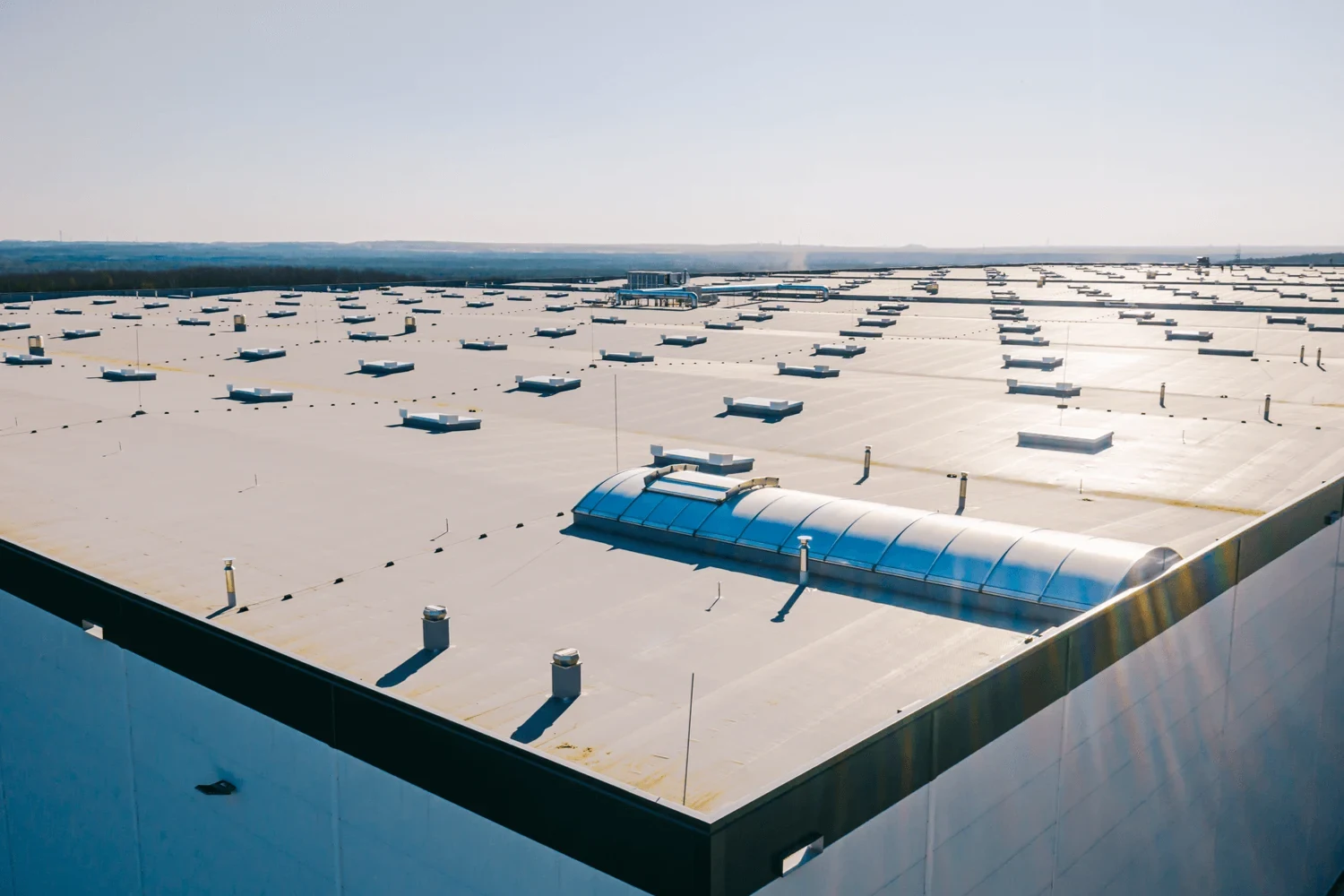
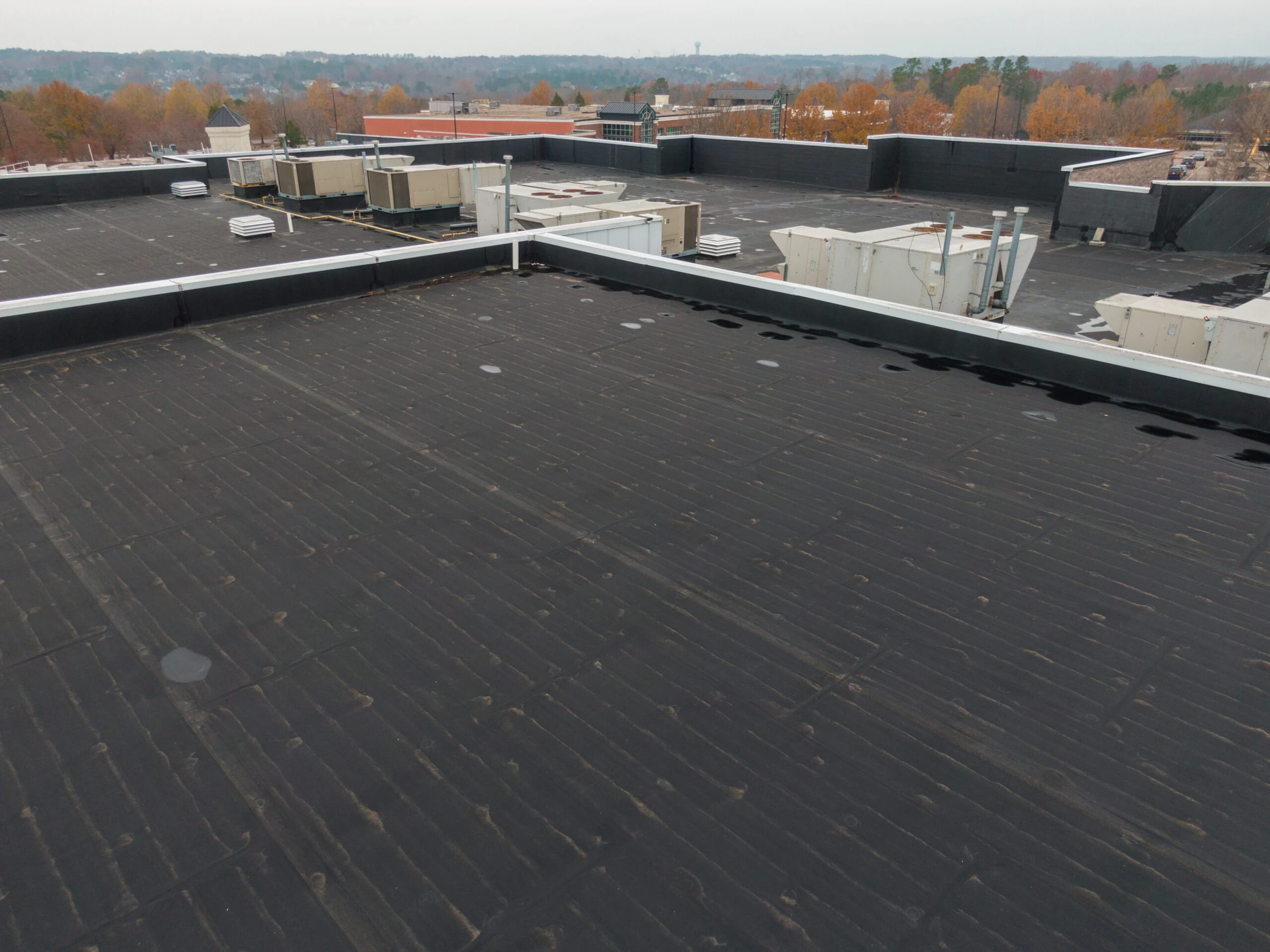
Wind uplift concentrates at roof edges, corners, and any transition point like a parapet wall or a rooftop unit curb, because that is where pressure is highest during a gust. A building near the canyon mouth or along the east bench will typically show wind damage first at perimeter fastening, not in the middle of the roof field, which is why a claim-focused inspection checks edges and corners in detail rather than doing a quick walk of the field and calling it done. Summer thunderstorm cells that build over Utah Lake and move across the valley add a second, harder kind of wind stress, capable of tearing loose a section of membrane or edge metal in seconds rather than the more gradual loosening a sustained wind event causes.
Building the Documentation Record
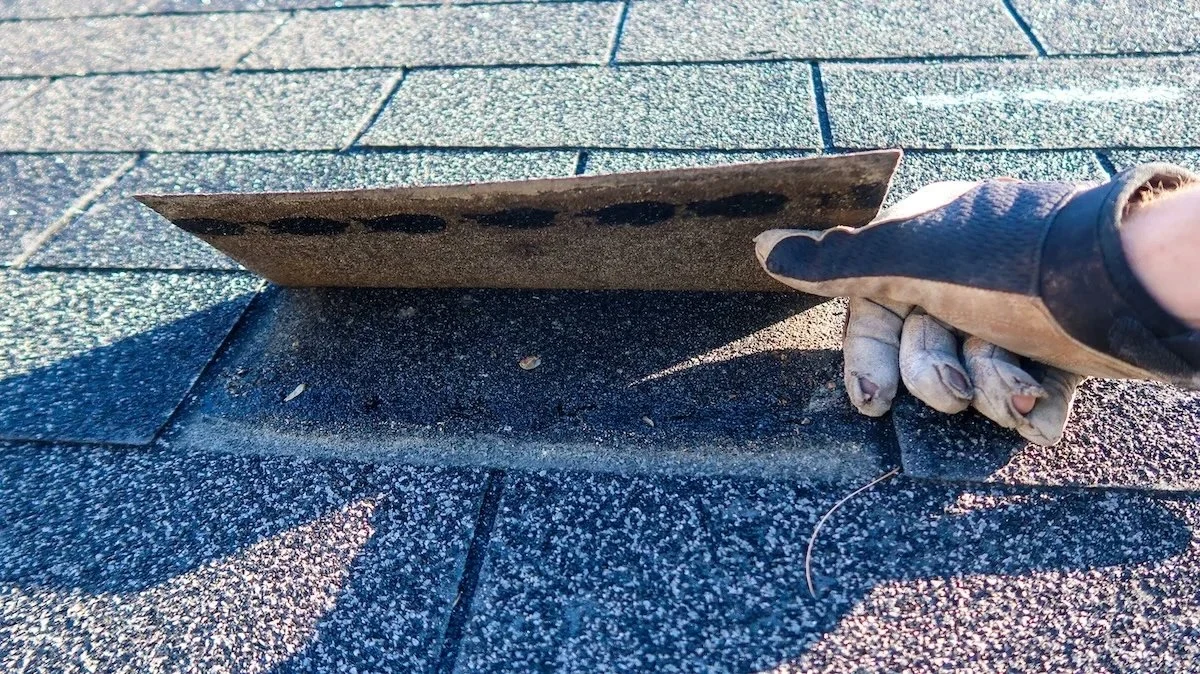
We map every area showing wind stress, from lifted membrane seams to backed-out perimeter fasteners to separated flashing at parapets and curbs, and photograph each one individually rather than relying on a single overview shot. Where a section shows fastener backout, we also check whether that section had any prior inspection or maintenance history on file. A fresh finding after a wind event reads differently to an adjuster than one that was already flagged as marginal six months earlier, and being upfront about that distinction is part of an accurate record, not a reason to leave it out.
Distinguishing Wind Damage From Pre-Existing Wear
Not every loose fastener or lifted seam found after a storm was actually caused by that storm. Part of documenting a wind claim honestly is separating genuinely storm-caused damage from wear that predates the event, even when that is not the finding an owner is hoping for. Overstating a claim tends to undermine its credibility with the carrier rather than help it, and it is not something we will put our name on.
Working With the Adjuster on a Wind Claim
We are glad to walk affected sections of the roof directly with the adjuster, pointing to specific fastening or flashing findings rather than leaving them to work from a written description alone. We're your roofing contractor documenting the roof's condition, not a public adjuster negotiating on the owner's behalf; the record we build is meant to give both the owner and the adjuster the same accurate starting point.
Timing Matters More With Wind Than Owners Expect
A section of edge metal that has been backed out by wind but not yet torn loose can fail completely in a second, smaller event that follows close behind the first one. Getting documentation done promptly after a wind event, and getting exposed sections temporarily secured where needed, keeps the claim clean and keeps a partial failure from turning into a much larger one before the claim is even resolved.
- Perimeter and corner fastening inspection after documented wind events
- Flashing and coping separation mapping at parapets and rooftop curbs
- Photo documentation of individual wind-stress findings, not overview shots alone
- Cross-check against prior maintenance history for context
- Clear separation of storm-caused damage from pre-existing wear
- Adjuster walkthroughs on affected roof sections
Wind and Storm Claim Questions From Wasatch Front Owners
Does every wind event justify a roof inspection?
Any documented significant wind event is worth checking, particularly at perimeter and corner fastening, since that's where wind damage concentrates first.
Why does Provo Canyon matter for wind claims specifically?
The canyon channels and accelerates wind gusts into the east side of the valley, so buildings near the canyon mouth and along the east bench tend to see more concentrated wind stress than roofs elsewhere in the valley.
Can wind damage a roof without tearing anything loose?
Yes. Backed-out fasteners and partially lifted seams can sit short of full failure for a while, which is why edge and corner inspection after a wind event matters even when nothing looks torn loose yet.
How is a wind claim different from a hail claim?
Wind damage concentrates at edges, corners, and transitions, while hail damage spreads across the roof field. The two require different mapping approaches even when they happen during the same storm system.
Do you secure the roof before the claim is finalized?
Where a section is exposed or at risk of further damage, temporary securing or dry-in work can happen alongside documentation rather than waiting on the claim to resolve first.
Ready to review the roof scope?
Request a Roof Assessment