Roof Insurance Documentation Support in Provo, UT
Commercial Roofing • Commercial Roofing Services • Provo,
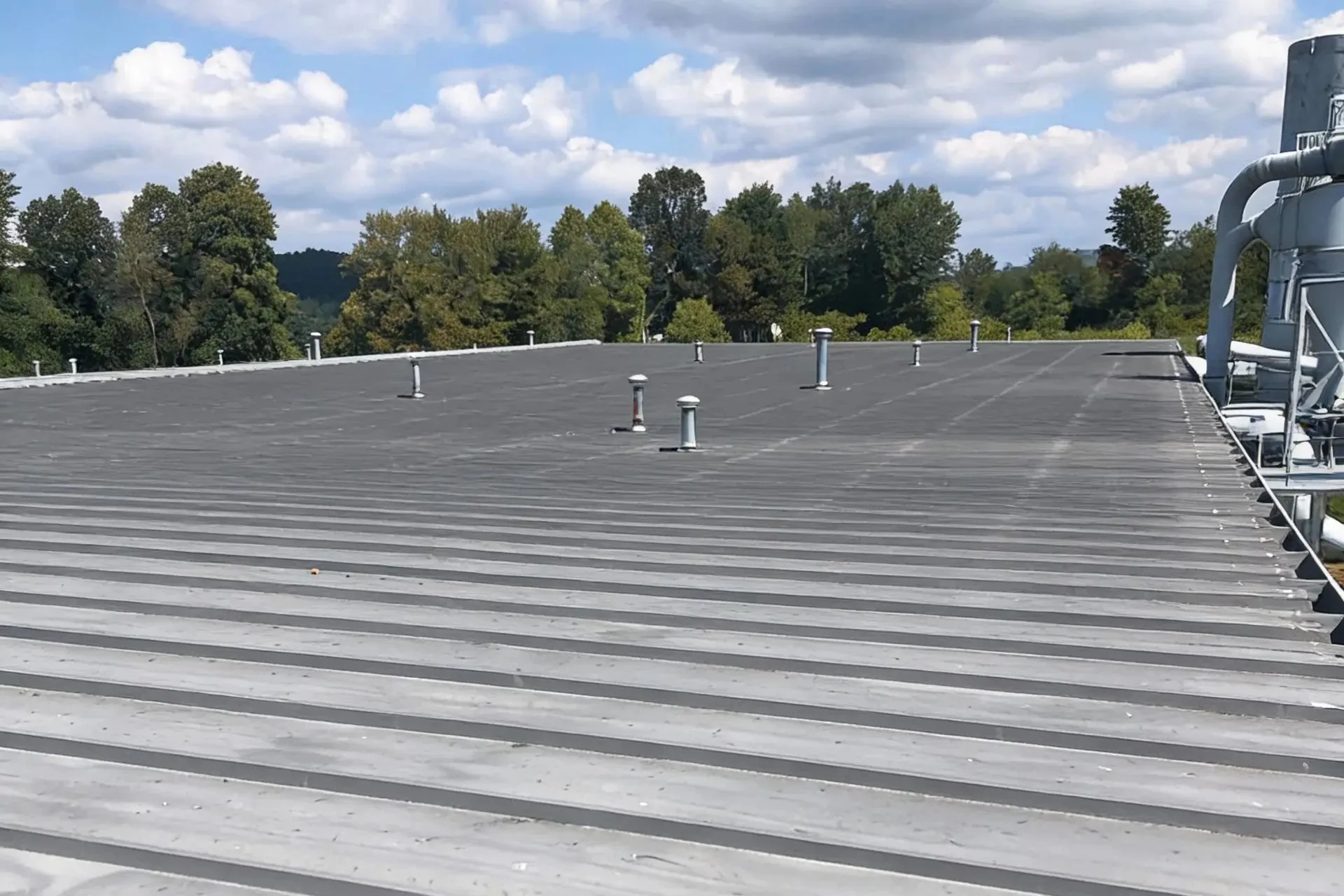
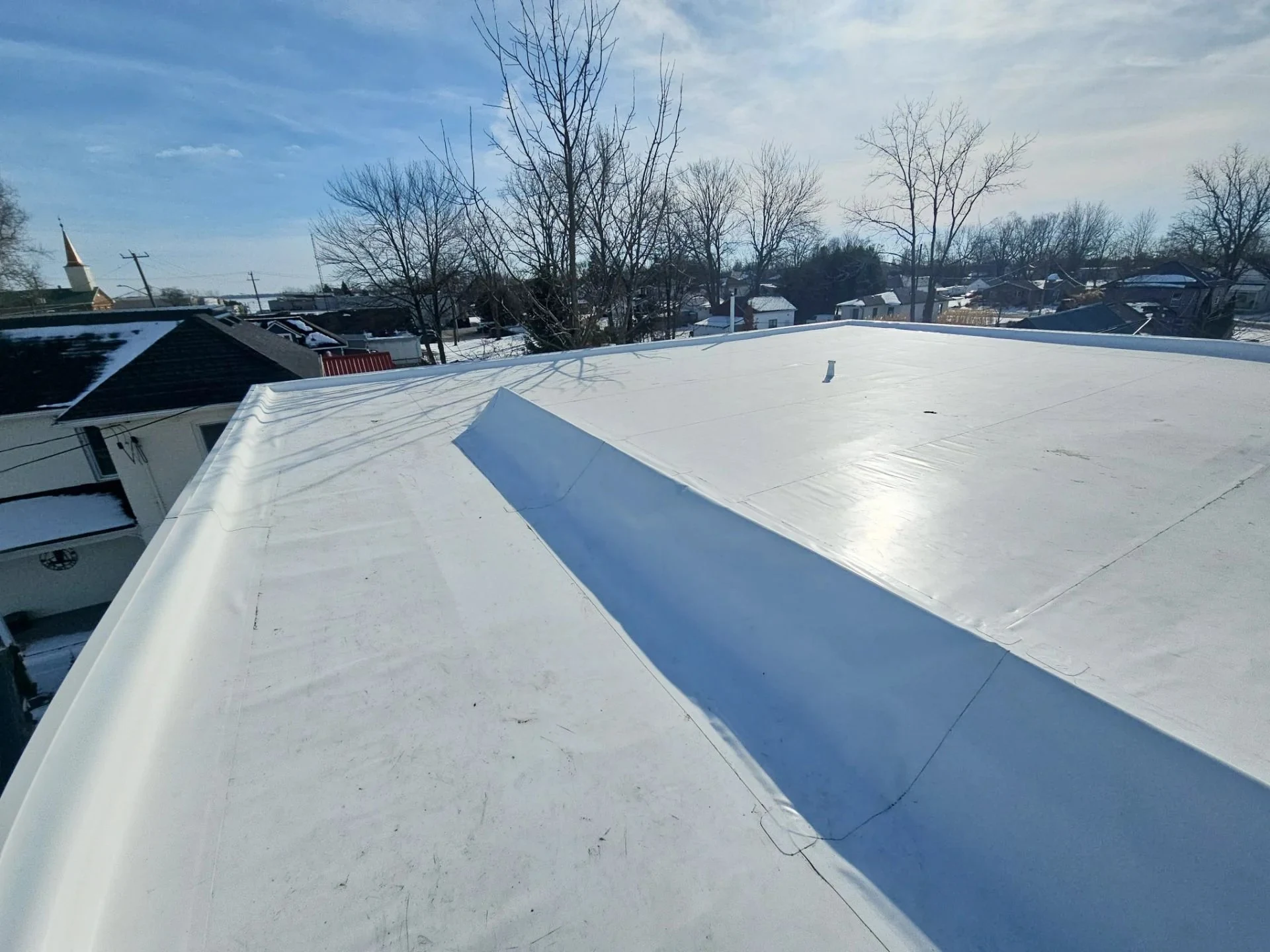
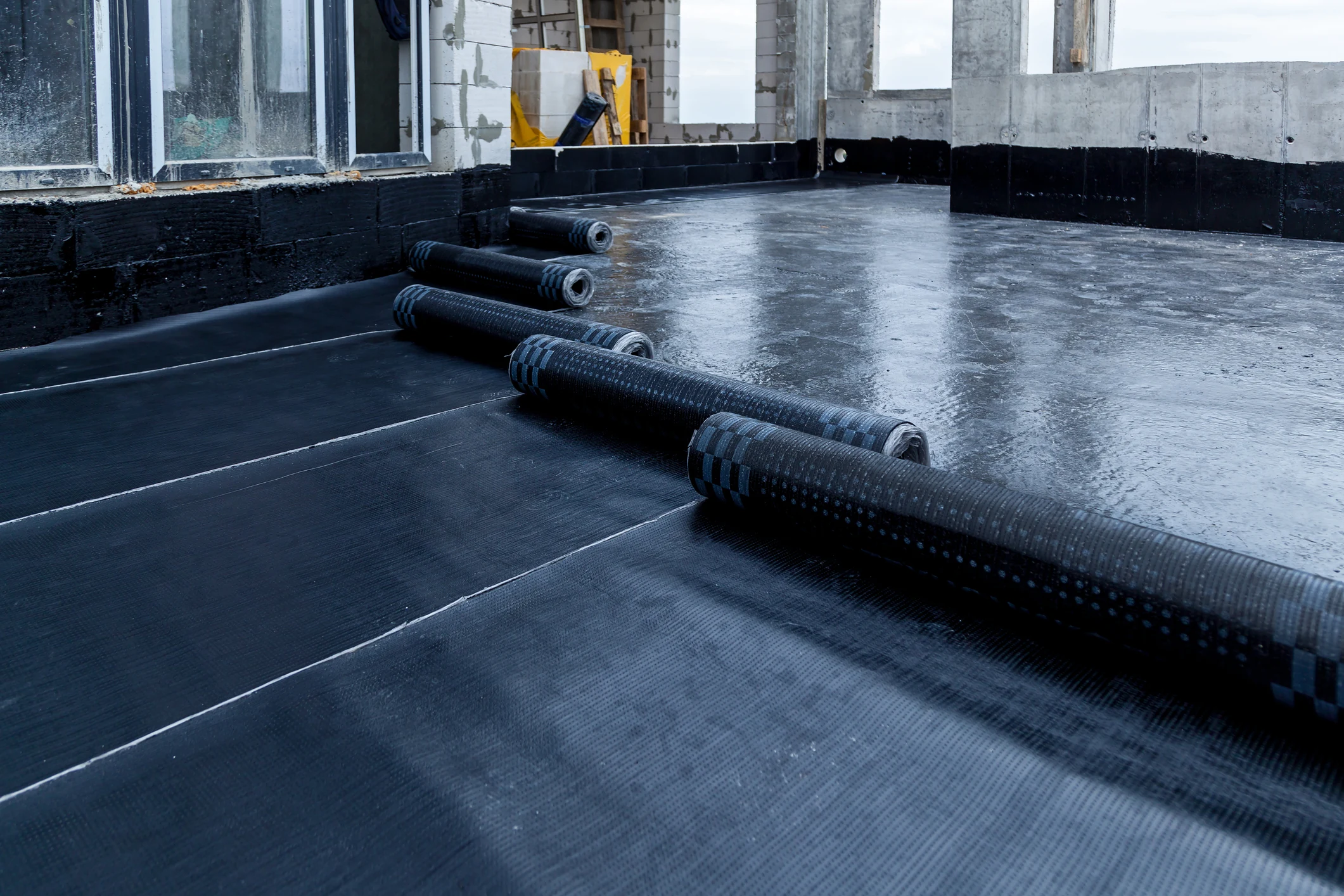
Documenting Roof Damage the Way an Adjuster Actually Needs to See It
An insurance claim on a commercial roof lives or dies on documentation quality. We photograph, measure, and record roof damage in a way that gives an adjuster a clear factual record to work from, without making promises about what a carrier will ultimately decide to cover.
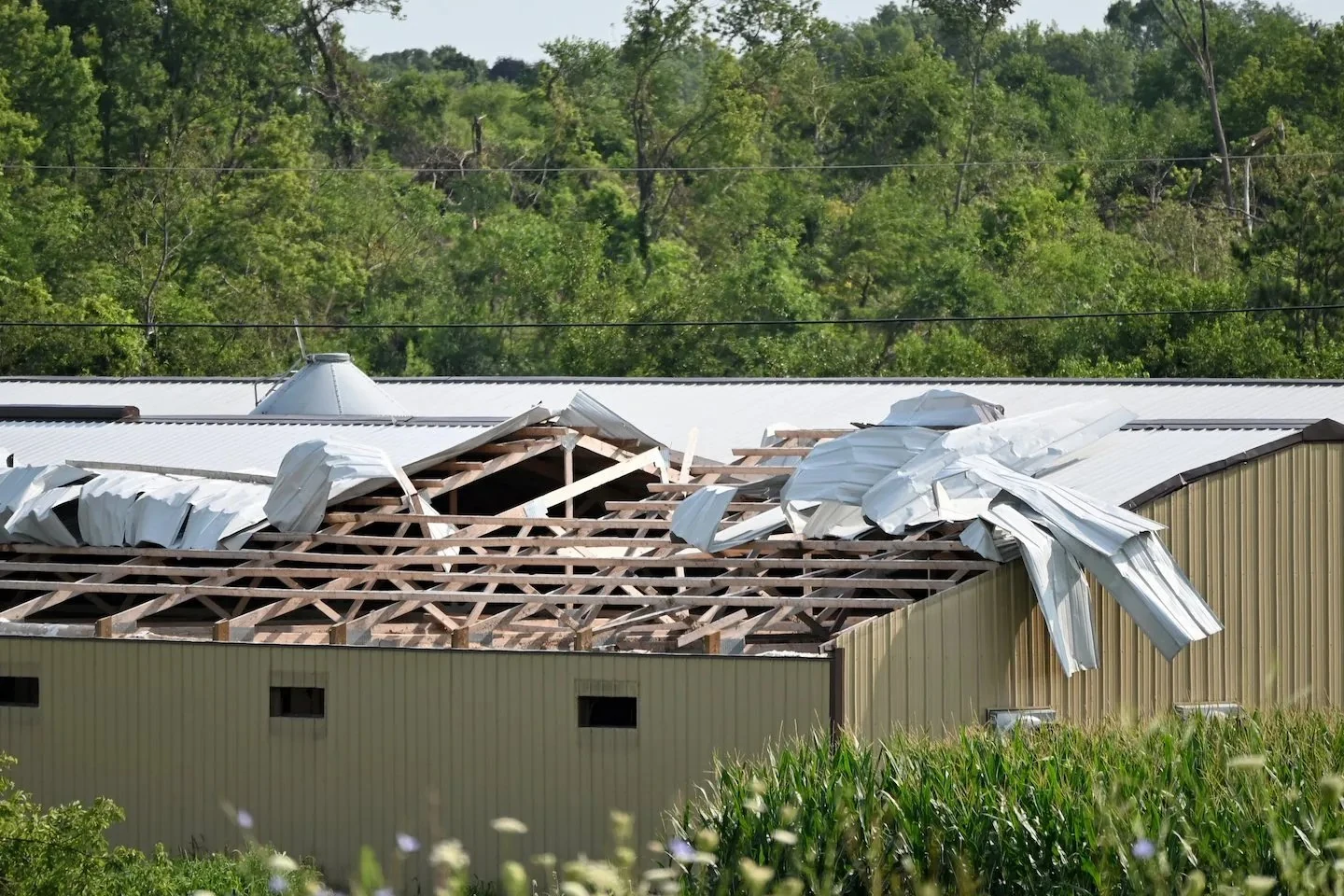
Utah County sees enough hail, canyon wind, and microburst activity across a given year that commercial roof claims are a routine part of ownership here, not a rare event. Owners who have never been through the process before often do not realize how much the quality of the initial documentation shapes everything that follows, and that is where we focus our part of the work.
General contractors and insurance restoration firms coordinating repair work after a claim also rely on this documentation to scope the actual construction work correctly. A repair estimate built off a thin damage description tends to miss scope that only becomes apparent once demolition starts, and thorough upfront documentation reduces how often that happens.
We keep a copy of every documentation package on file after a claim closes, whatever the outcome. Owners occasionally need to reference an old storm event years later, either because a related issue resurfaces or because a subsequent buyer's due diligence asks about roof history, and having that record already organized saves everyone from reconstructing it from memory.
What We Document and Why It Matters
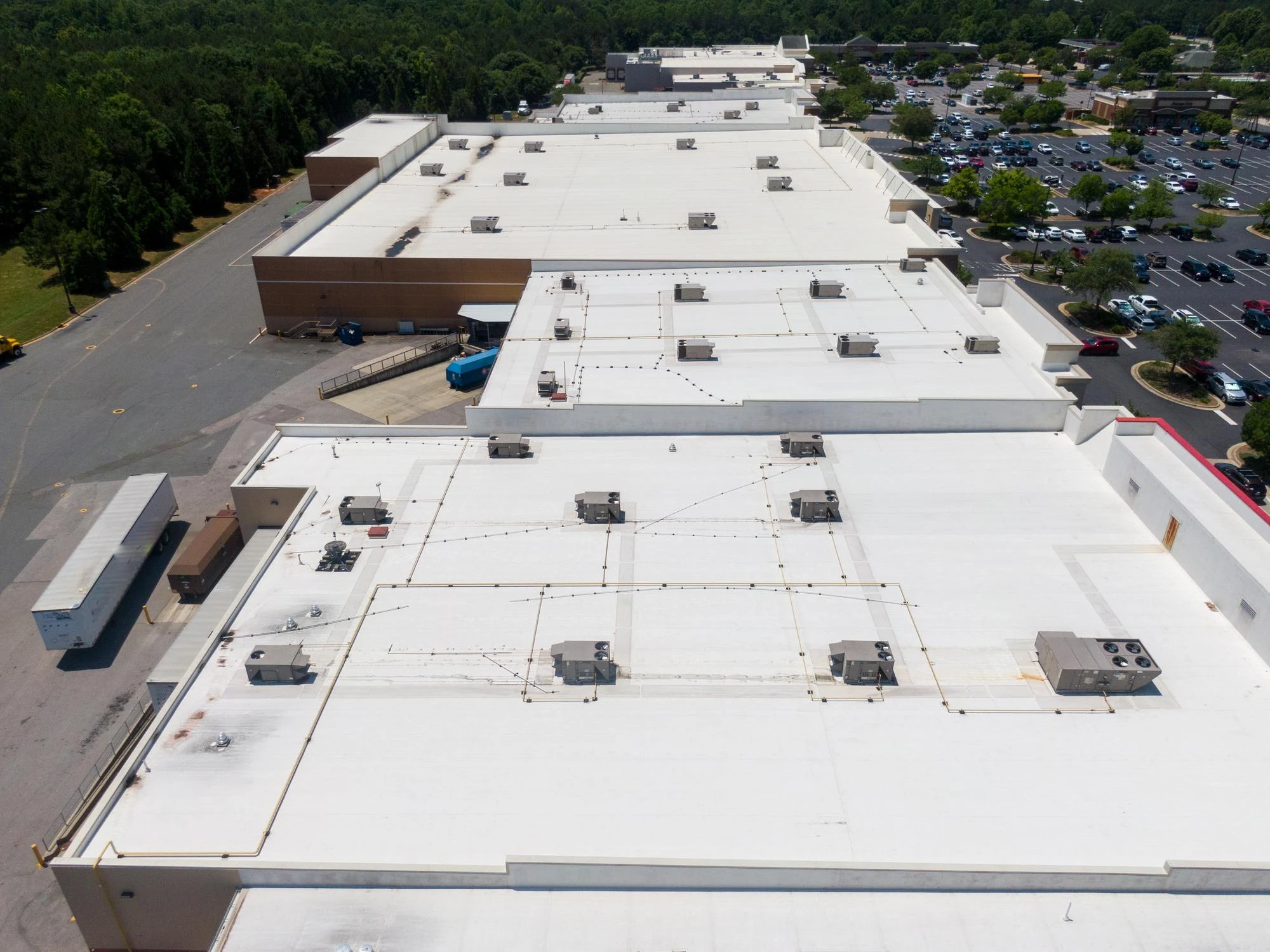
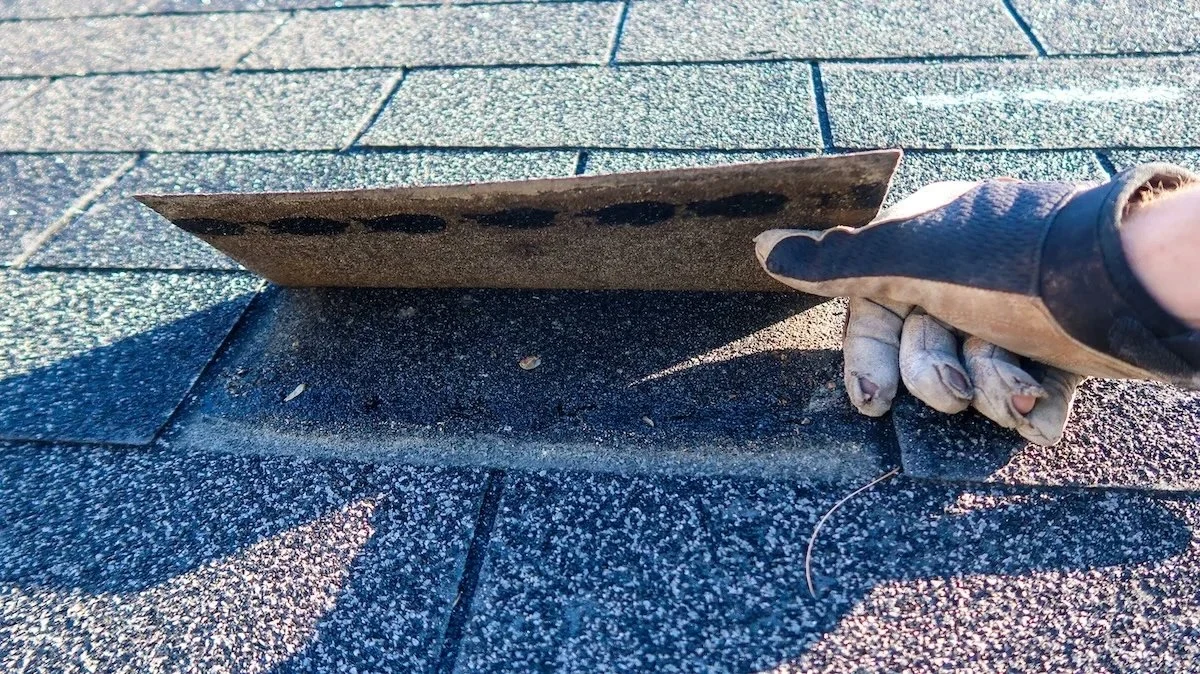
A useful damage record answers specific questions: what was damaged, where, how extensive, and what condition the roof was in before the event as best it can be established. We photograph affected areas from multiple angles, measure the extent of hail bruising or wind-lifted sections, and note existing wear or prior repairs that are clearly unrelated to the event being claimed. That distinction matters, because an adjuster reviewing a claim needs to separate storm-caused damage from pre-existing roof condition, and vague or incomplete documentation makes that separation harder for everyone involved.
We do not inflate findings or characterize normal wear as storm damage. Overstated documentation tends to undermine a claim's credibility rather than help it, and it is not something we will put our name on.
Moisture Data as Supporting Evidence
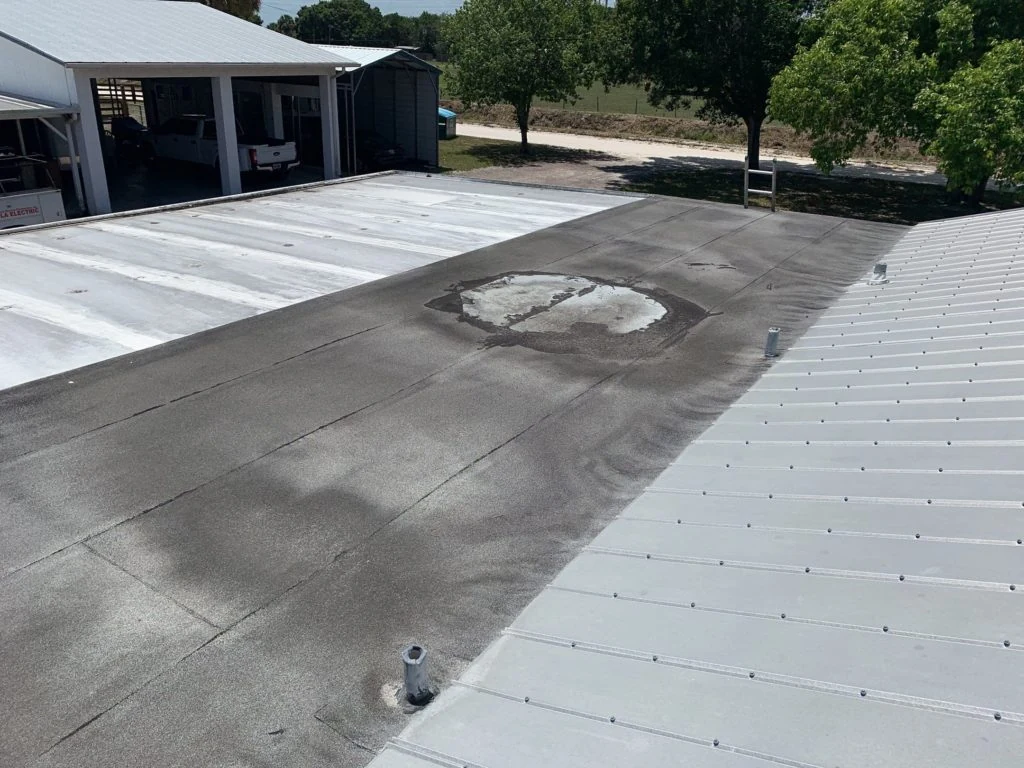
Wind and hail damage often has a secondary effect that is not visible from the roof surface: water intrusion into insulation that has begun before any interior leak is noticed. We use moisture scanning to document the extent of wet insulation tied to a specific event, which gives an adjuster a data-backed basis for evaluating insulation replacement scope rather than a verbal description alone. This is particularly relevant on buildings across Utah County that took canyon-wind or microburst damage where the visible membrane tear was only part of what actually happened to the roof assembly underneath.
Timing Documentation Around the Event
Documentation quality drops the longer it waits after a storm. Weather that follows the original event, whether that is another round of wind, additional snow, or simple UV exposure over weeks, can obscure or alter what damage looked like immediately after it happened. We prioritize getting on affected roofs promptly to capture the clearest possible record, which supports a stronger, more defensible claim regardless of how long the claims process itself ultimately takes.
- Photo documentation of all affected areas from multiple angles
- Measurement and mapping of hail impact or wind-lifted sections
- Moisture scan data tied to the specific storm event
- Notes distinguishing storm damage from pre-existing wear
- Written scope estimate for repair or replacement based on findings
- Photo record preserved for the owner's file independent of claim outcome
Working Alongside Adjusters and Property Managers
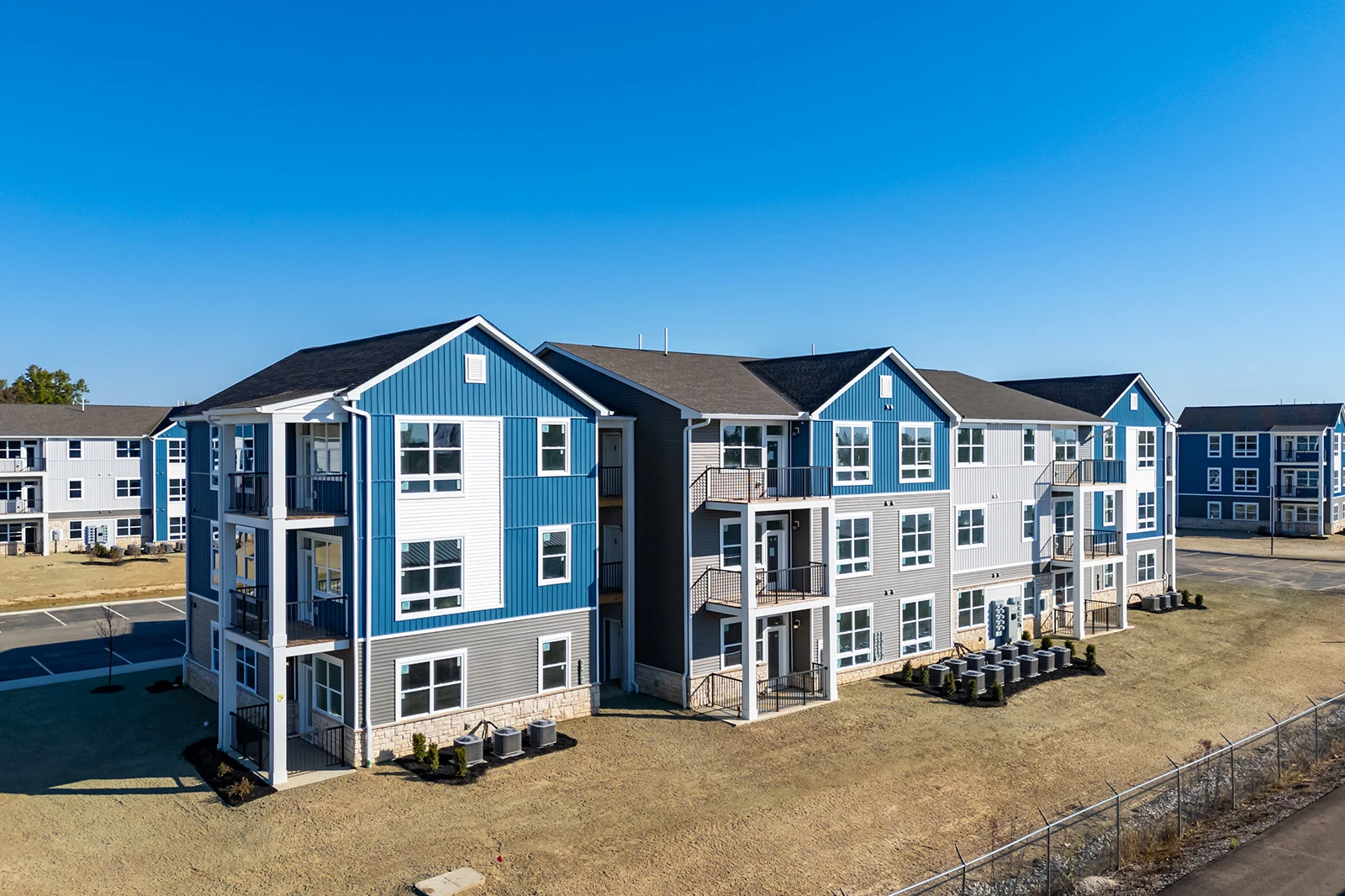
We are available to walk a roof with an adjuster directly when that is useful, pointing to specific documented findings rather than making the adjuster work from photos alone. For property management firms and insurance restoration contractors coordinating a claim across a portfolio of buildings, we provide documentation in a consistent format across every property, which makes comparing and processing multiple claims considerably more straightforward than documentation that varies site to site.
What Documentation Support Does Not Include
We're your roofing contractor on this claim, not a public adjuster. We do not estimate what a carrier will approve, negotiate settlement value, or promise a particular claim outcome. Our role is producing an accurate, thorough factual record of roof condition and damage. What a carrier ultimately decides to cover is between the owner, their policy, and the adjuster, and any contractor who tells a building owner otherwise is setting expectations they cannot actually control.
Insurance Documentation Questions From Building Owners
How soon after a storm should documentation happen?
As soon as it is safe to access the roof. The clearest record comes from documenting damage before subsequent weather has a chance to obscure or add to it.
Can you guarantee my claim will be approved if the damage is documented?
No, and any contractor who says otherwise is overpromising. We can only ensure the documentation accurately and thoroughly reflects what the roof shows.
Do you meet with insurance adjusters directly?
Yes, we are glad to walk the roof with an adjuster and point to specific documented findings when that is useful to the claims process.
Is moisture scan data actually useful for an insurance claim?
Yes. It provides objective, measurable evidence of insulation saturation tied to a specific event, which supports scope beyond what a visual description alone can establish.
What if a claim is denied after documentation is submitted?
That outcome is determined by the carrier and policy terms, not by us. We can revisit and supplement documentation if new information becomes relevant, but the coverage decision itself is outside our role.
Ready to review the roof scope?
Request a Roof Assessment