Snow & Ice Roof Damage Insurance Claims in Provo, UT
Commercial Roofing • Commercial Roofing Services • Provo,
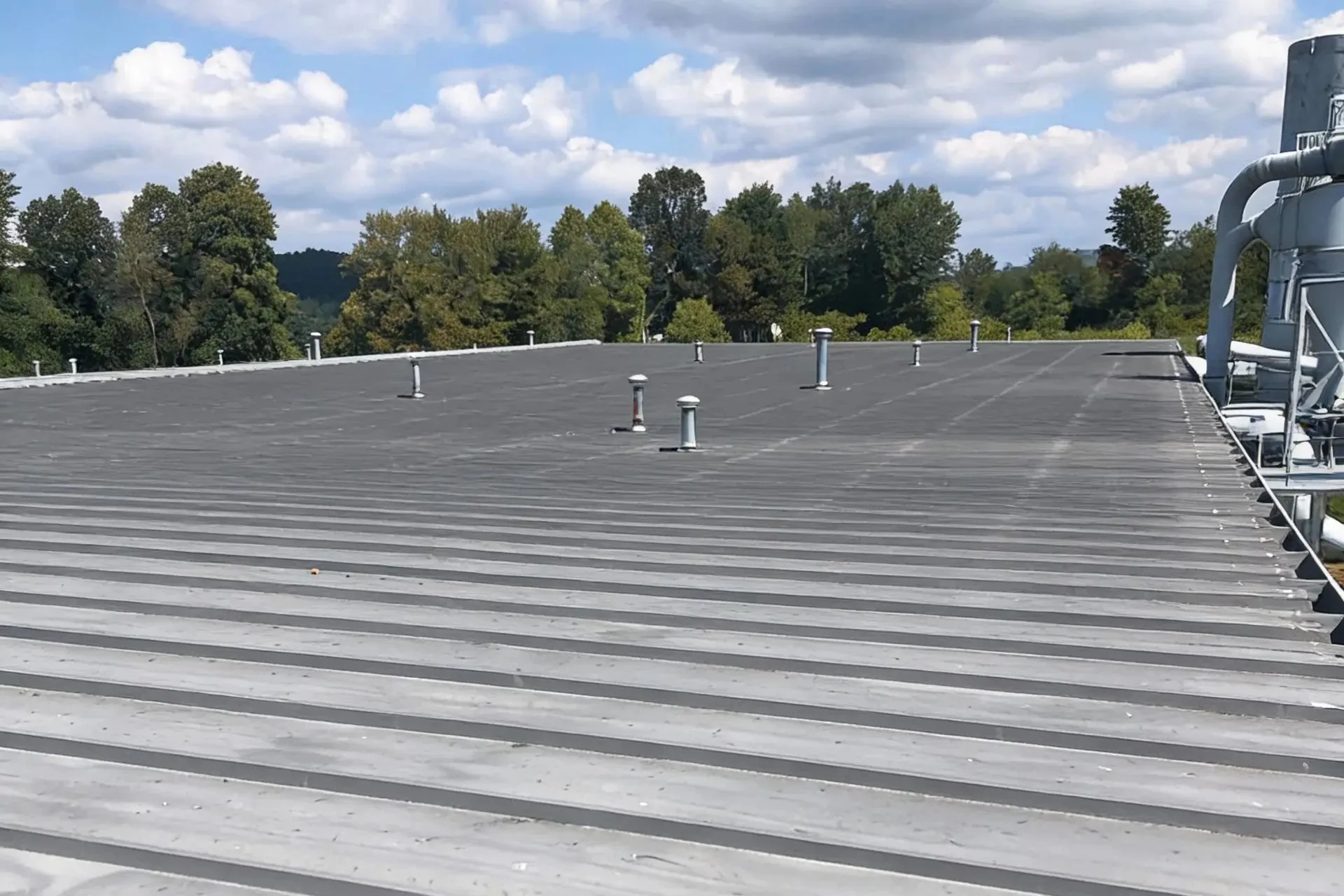
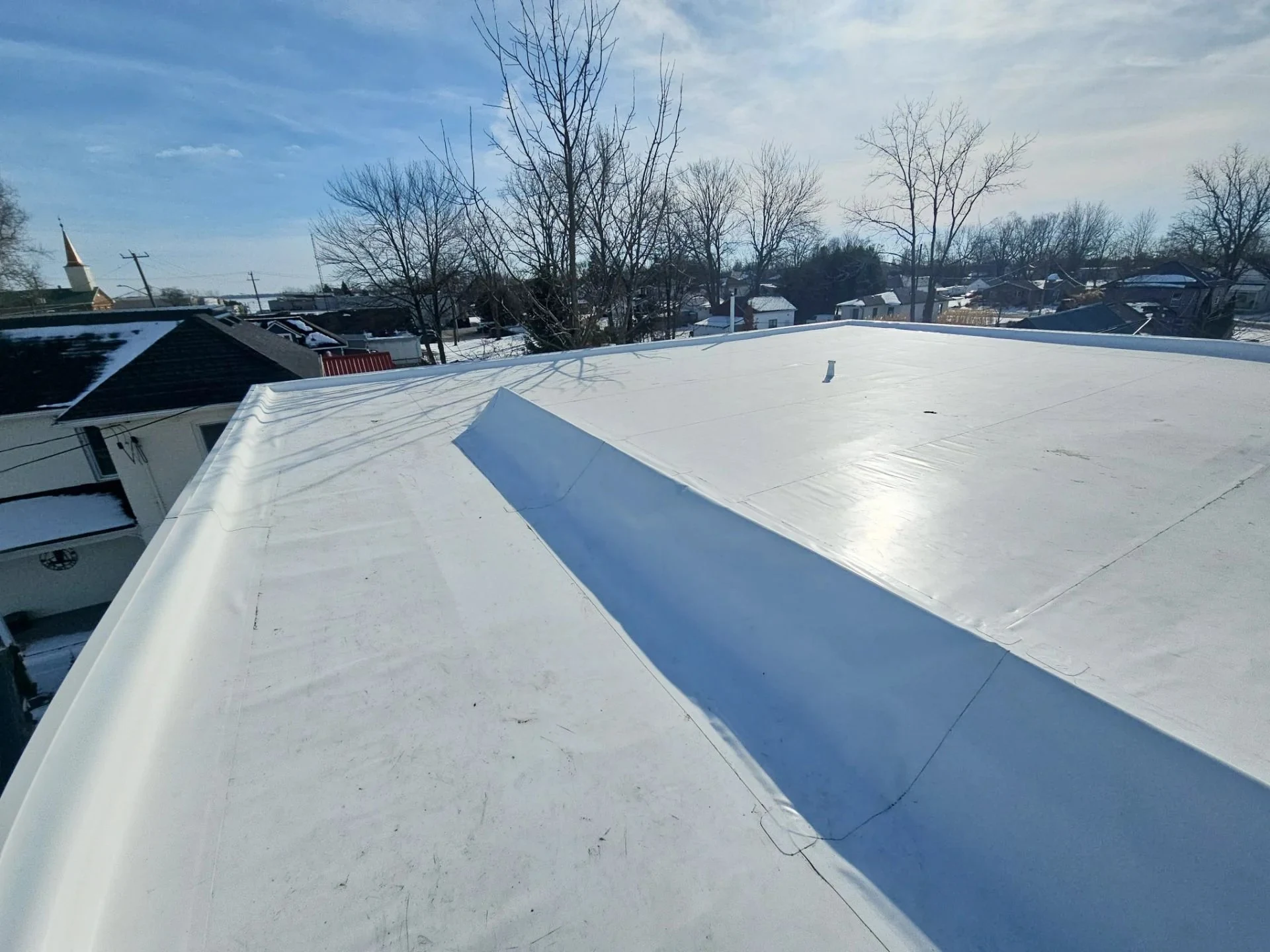
Why a Bench-Elevation Roof and a Valley-Floor Roof Carry Different Winters
Two commercial roofs a few miles apart in Utah County can carry meaningfully different snow loads over the same winter, simply because one sits on the valley floor and the other sits up on the bench toward Alpine or Highland, several hundred feet higher and considerably colder on a given storm night. That elevation difference matters for a snow or ice claim, because it changes both how much load accumulates and how long it sits on the roof before a thaw cycle starts working on it.
How Snow Load Actually Stresses a Low-Slope Roof
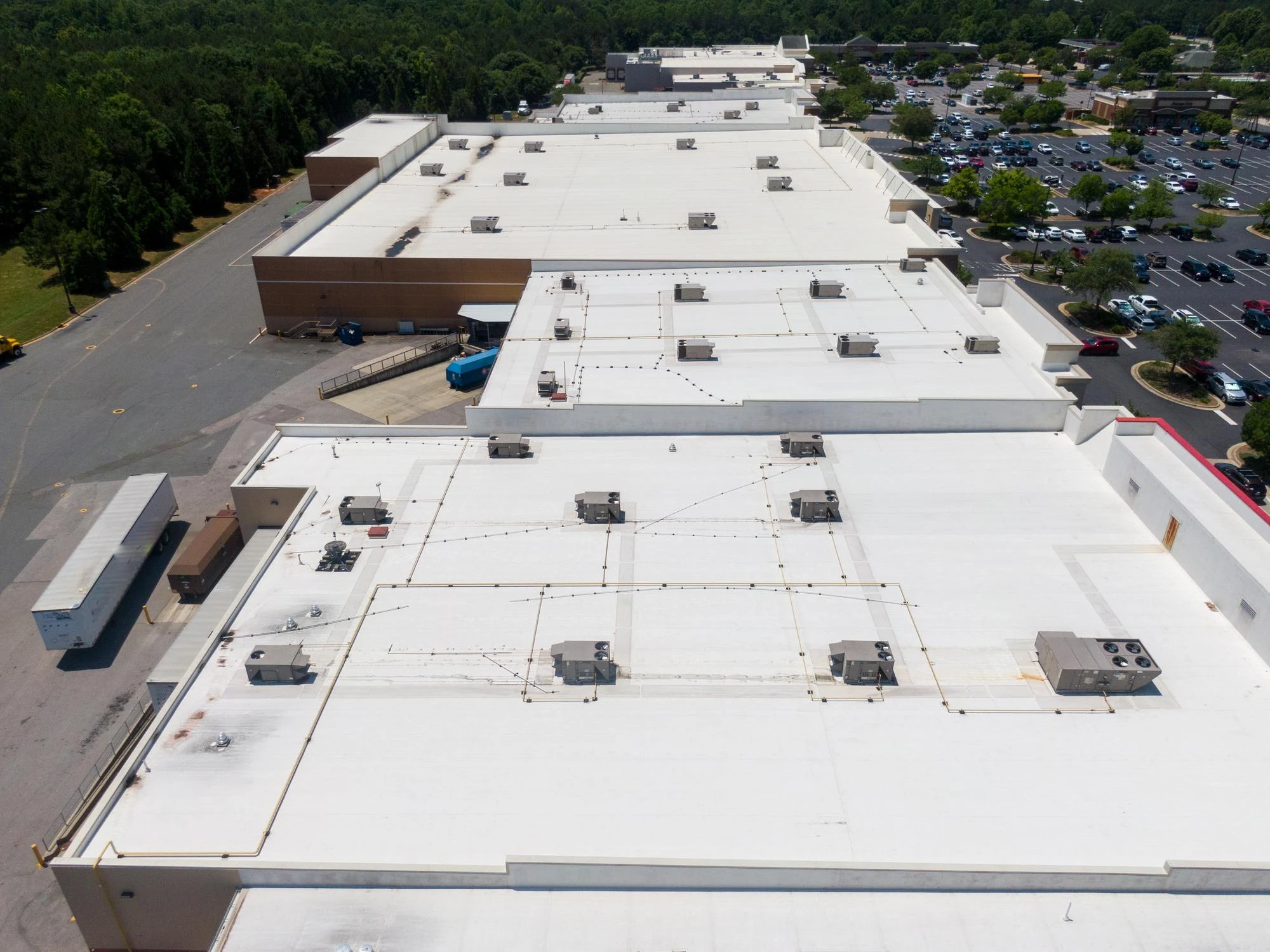
A low-slope commercial roof does not shed snow the way a steep residential roof does, so weight accumulates and stays, particularly in valleys between parapet walls, around rooftop units, and at any low point in the drainage design. Repeated snow events without a full melt between them can stack load faster than a single storm's official snowfall total would suggest, and that cumulative effect is often what a claim needs to establish rather than any one storm date.
Ice Damming at Parapets and Curbs
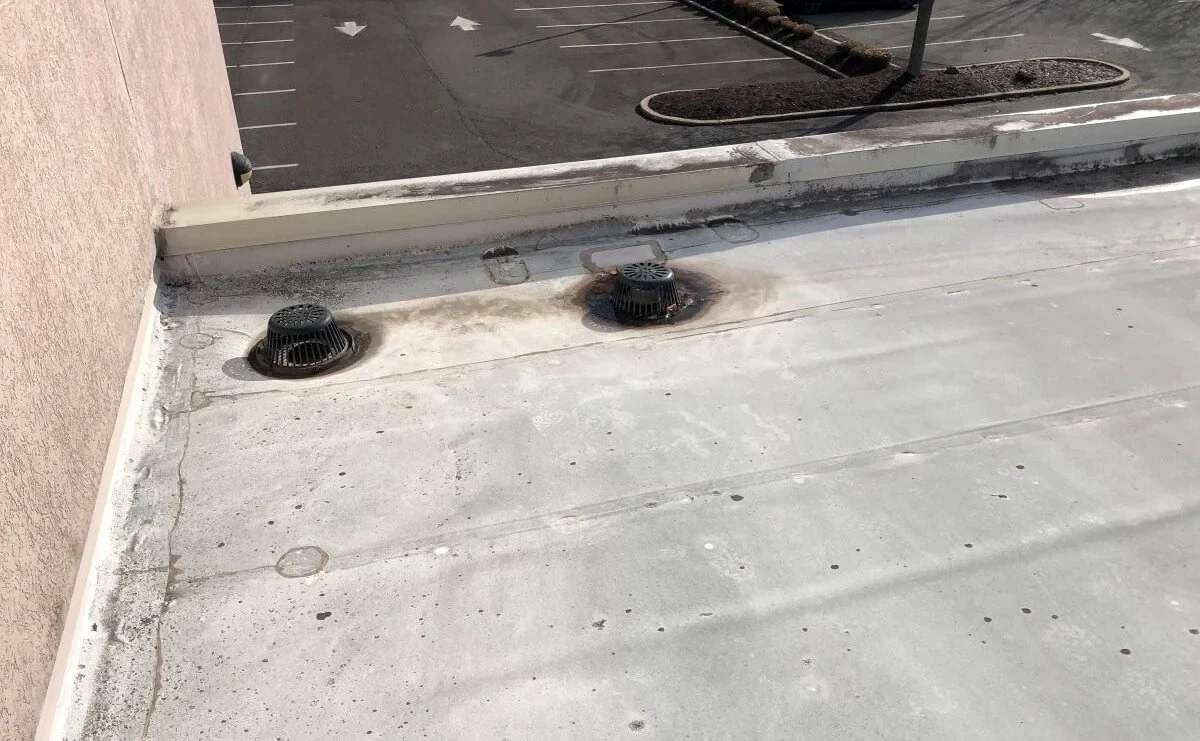
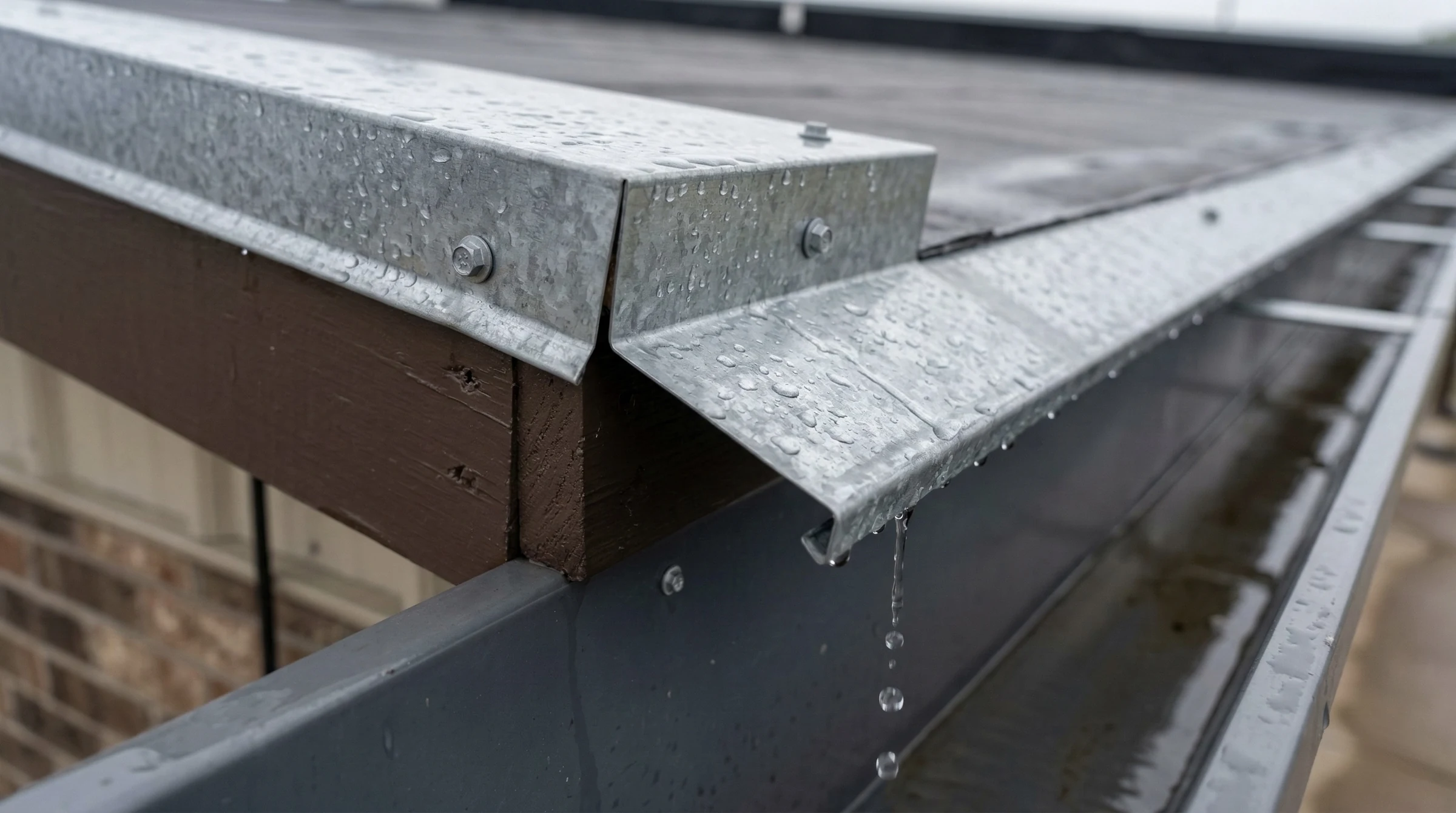
Ice damming on a commercial roof looks different than the icicles-off-the-eave version most owners picture from a house. Here it shows up as ice buildup against parapet walls, around rooftop unit curbs, and at drain locations, where meltwater refreezes overnight and gradually blocks drainage paths. A blocked drain under a foot of refrozen ice can turn an ordinary snow load into standing water once temperatures climb, and that transition from load stress to water intrusion is exactly the kind of damage that benefits from documentation before it is fully resolved on its own.
Freeze-Thaw Cycling at Elevation
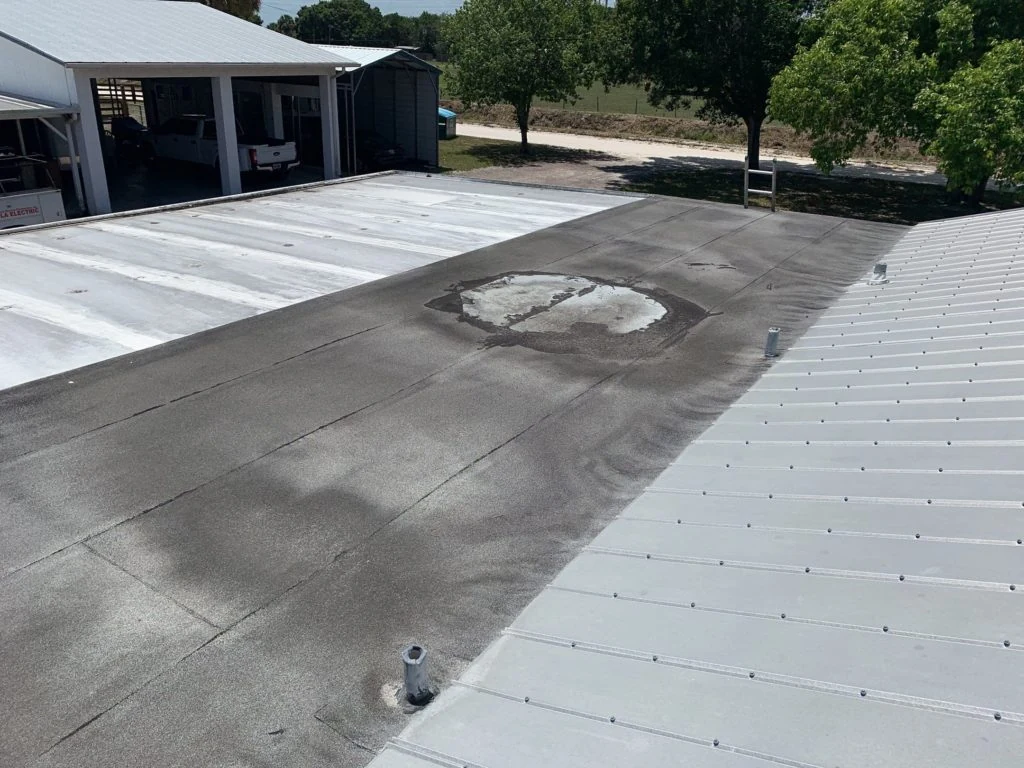
Utah Valley's freeze-thaw pattern is harder on aging membrane and flashing than a single hard winter would be. Water that gets into a seam, a fastener penetration, or an aged patch during a thaw refreezes and expands overnight, widening the opening a little more each cycle. Bench-elevation buildings toward Alpine, Highland, and the east side of Orem see more of these cycles across a winter than roofs down on the valley floor, which is part of why a roof that looked fine in November can show real deterioration by March without any single dramatic event to point to.
Documenting Snow and Ice Damage for a Claim
Snow and ice claims rarely trace back to one identifiable moment the way a hailstorm does, so documentation leans more heavily on measurement and pattern than on a single set of impact photos. We record ponding locations, drainage blockage, membrane stress at parapets and curbs, and any interior staining that lines up with a specific area of roof, then tie that record to the winter's actual weather pattern rather than a single storm event. Moisture scanning is particularly useful here, since water that entered during a mid-winter thaw and refroze can sit in the insulation for weeks before it ever shows up as a visible interior leak.
Our Role in a Snow or Ice Claim
We're your roofing contractor documenting what a winter's snow load and freeze-thaw cycling actually did to the roof, not a public adjuster arguing the claim on the owner's behalf. We build the factual record, walk the roof with the adjuster when that is useful, and leave the coverage decision where it belongs, with the owner, the policy, and the carrier.
- Snow-load and ponding mapping across low points and parapet valleys
- Ice-dam documentation at parapets, curbs, and drain locations
- Freeze-thaw damage assessment tied to elevation and roof age
- Moisture scanning for insulation saturation from mid-winter thaw cycles
- Pattern-based documentation covering a full winter, not a single storm date
- Adjuster walkthroughs once conditions allow safe roof access
Snow and Ice Claim Questions From Utah County Owners
Why would a bench-elevation building see more roof damage than one on the valley floor?
Higher elevation generally means colder temperatures and more freeze-thaw cycles across a winter, which stresses membrane and flashing more than a milder valley-floor winter would over the same period.
Does a snow-load claim need to trace back to one specific storm?
Not usually. Cumulative snow load and freeze-thaw cycling across a winter often matter more than any single storm date, so documentation typically covers a pattern rather than one event.
How is ice damming different on a commercial roof than a house?
It concentrates at parapets, curbs, and drains rather than roof eaves, and it tends to affect drainage more than it affects the visible roof surface, which changes what gets documented.
Can water damage from a winter thaw sit undetected for weeks?
Yes. Water that enters during a mid-winter thaw and refreezes can remain in the insulation without showing as an interior leak until conditions change again, which is why moisture scanning is useful for these claims.
Is drainage blockage from ice something insurance typically covers?
It depends on the policy and the specific circumstances, which is determined by the carrier. Our role is documenting the blockage and its effect on the roof accurately, not making coverage determinations.
Ready to review the roof scope?
Request a Roof Assessment