EPDM Commercial Roofing in Provo, UT
Commercial Roofing • Commercial Roofing Services • Provo,
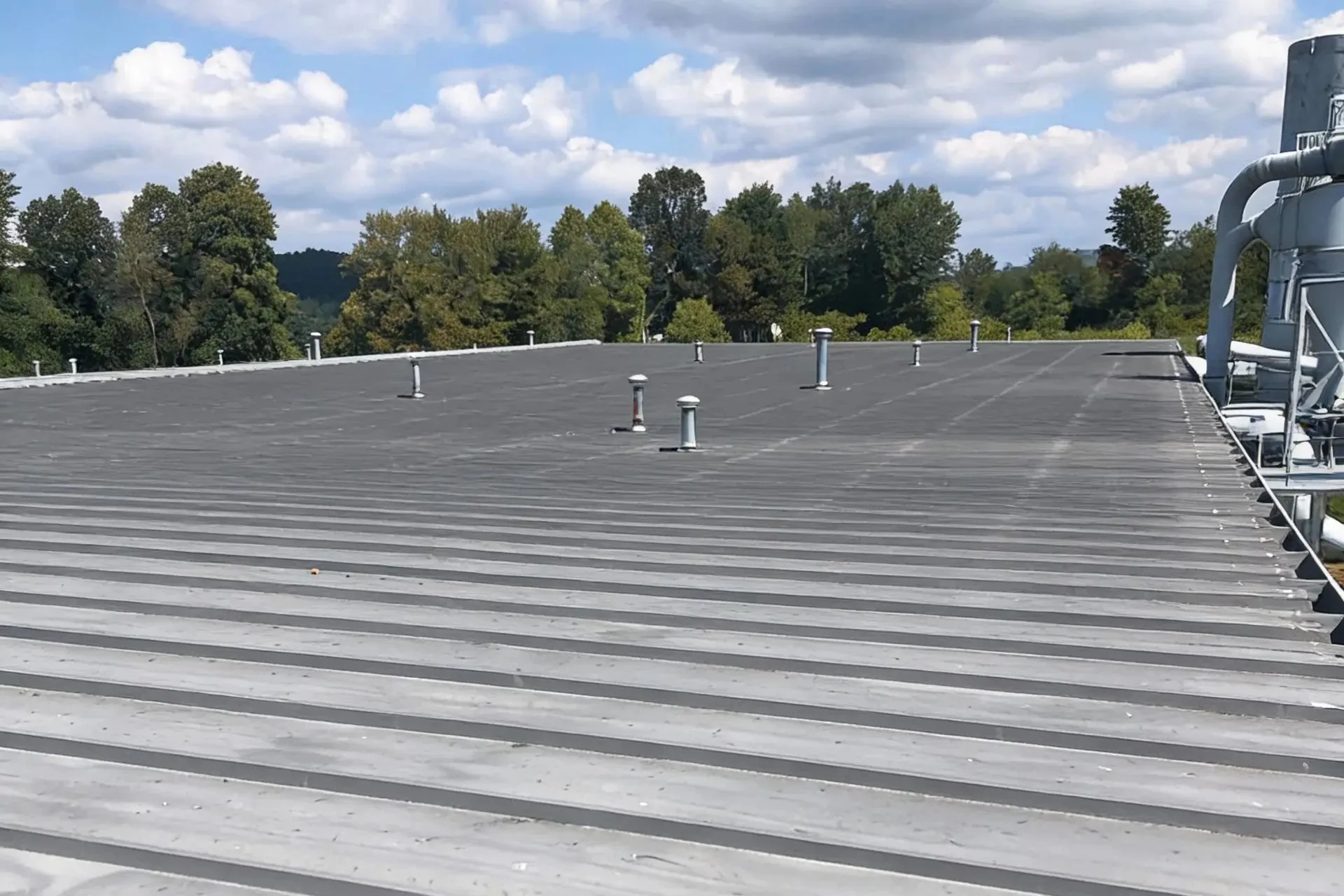
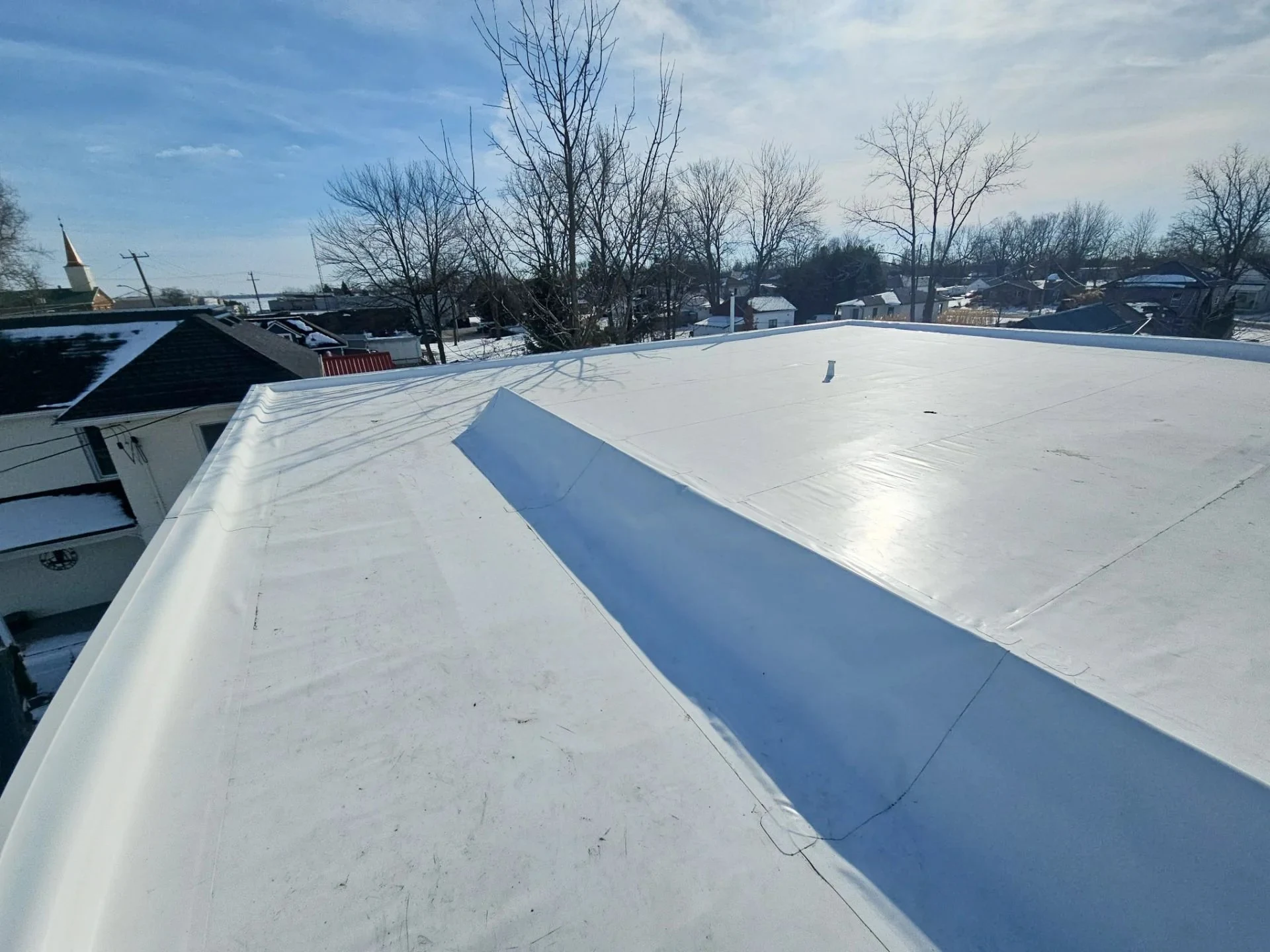
The Black-Versus-White EPDM Decision on Older Provo Roofs
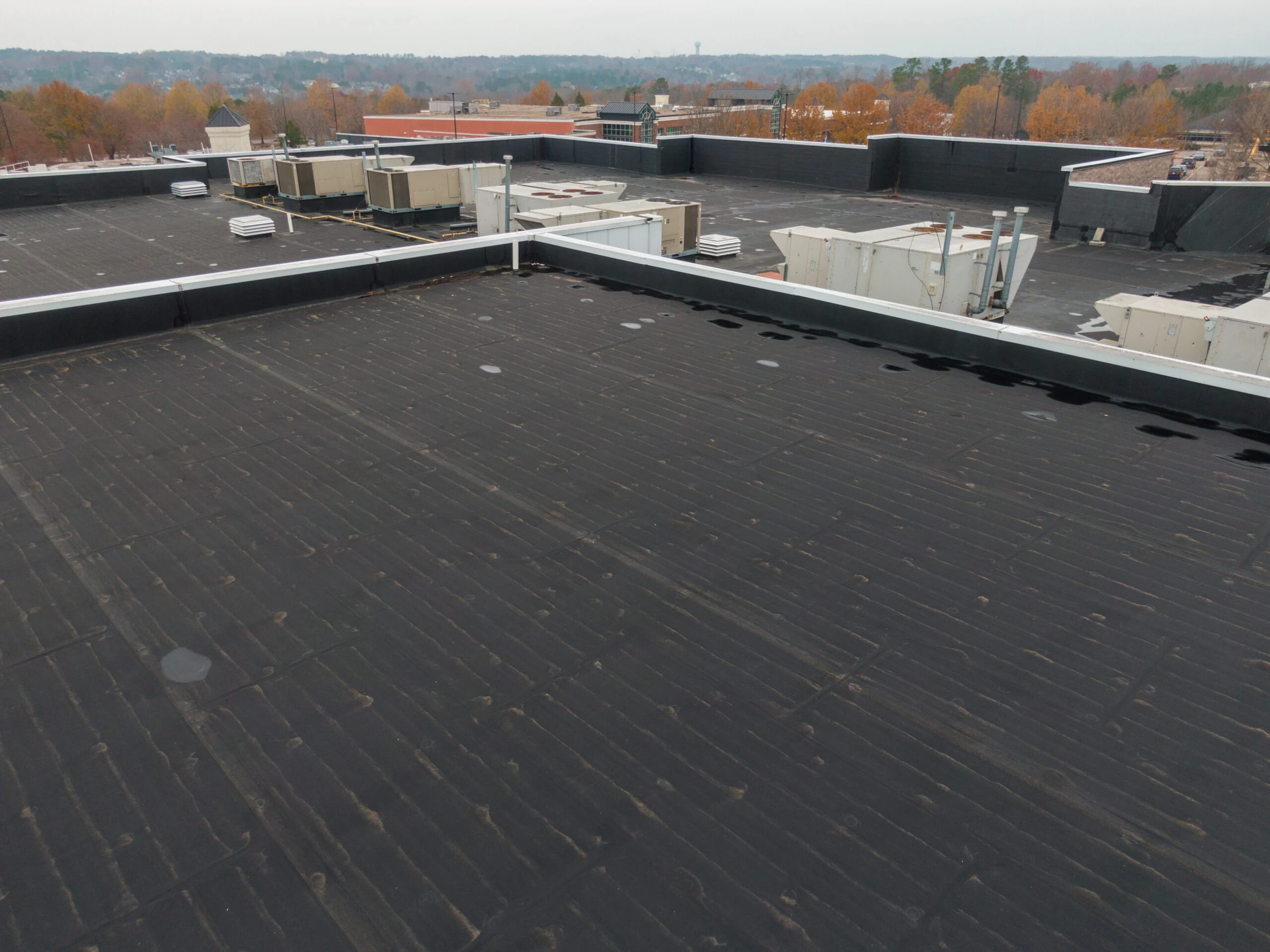
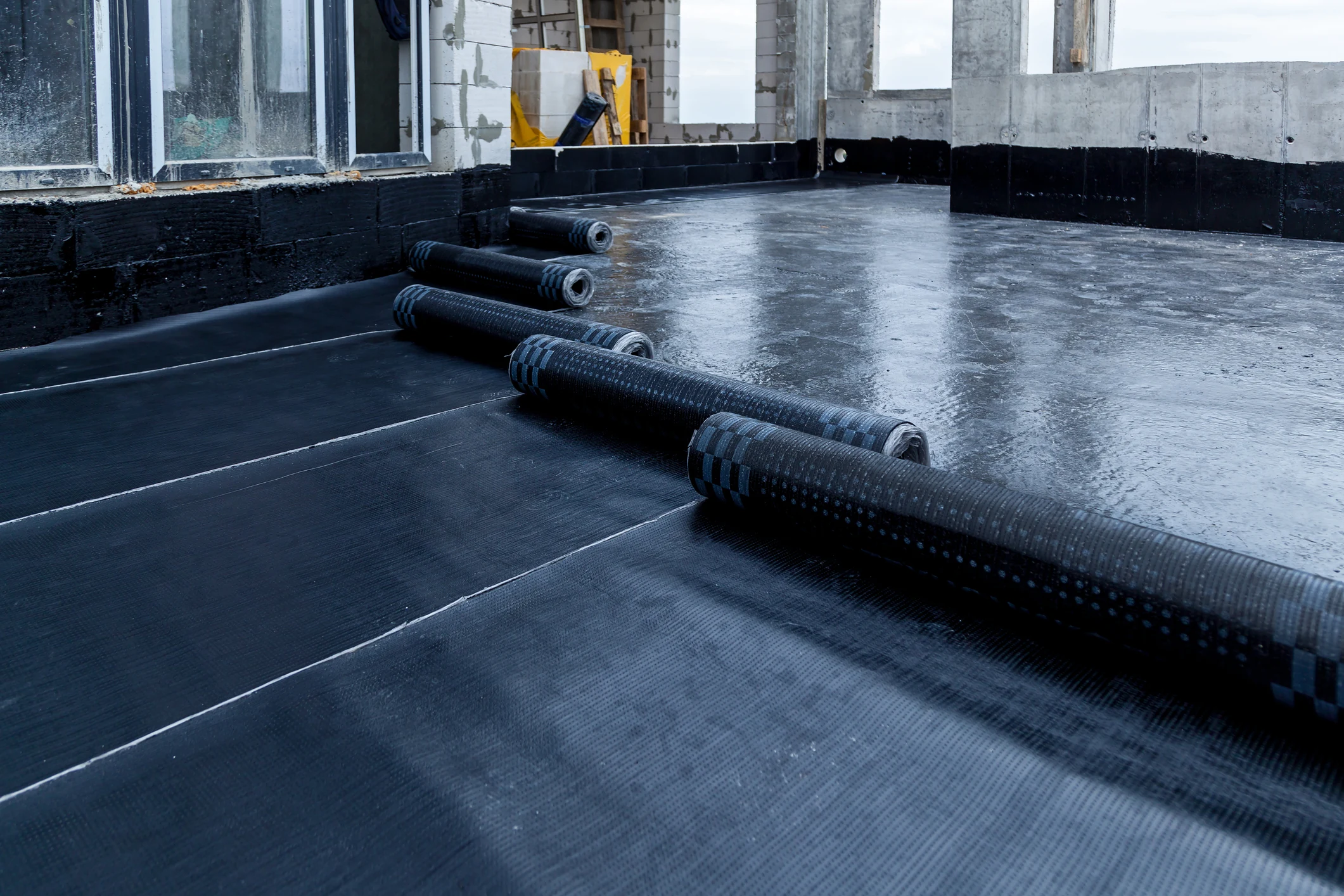
EPDM rubber membrane is still common on buildings built or reroofed before single-ply thermoplastics took over the market, and it remains a solid, budget-conscious option today for the right building. We install and repair EPDM across Provo and Orem, and a large share of our EPDM work is on ballasted systems from the industrial parks along Geneva Road down to older retail buildings closer to downtown.
Ballasted EPDM in Lindon's Industrial Parks
The dense flex and industrial buildings along Geneva Road in Lindon commonly use ballasted EPDM, where river rock or paver ballast holds the membrane in place instead of adhesive or mechanical fasteners. It is a system that handles wind uplift well, which matters given how exposed some of these flat-roofed warehouse buildings are to the wind that moves down off the bench. Ballast also adds a measure of protection against foot traffic and hail impact compared to an exposed membrane.
The tradeoff is weight. We check structural load capacity before recommending a ballasted recover on any building where the original design did not account for the additional dead load, particularly older structures.
Black Versus White EPDM and the Insulation Question
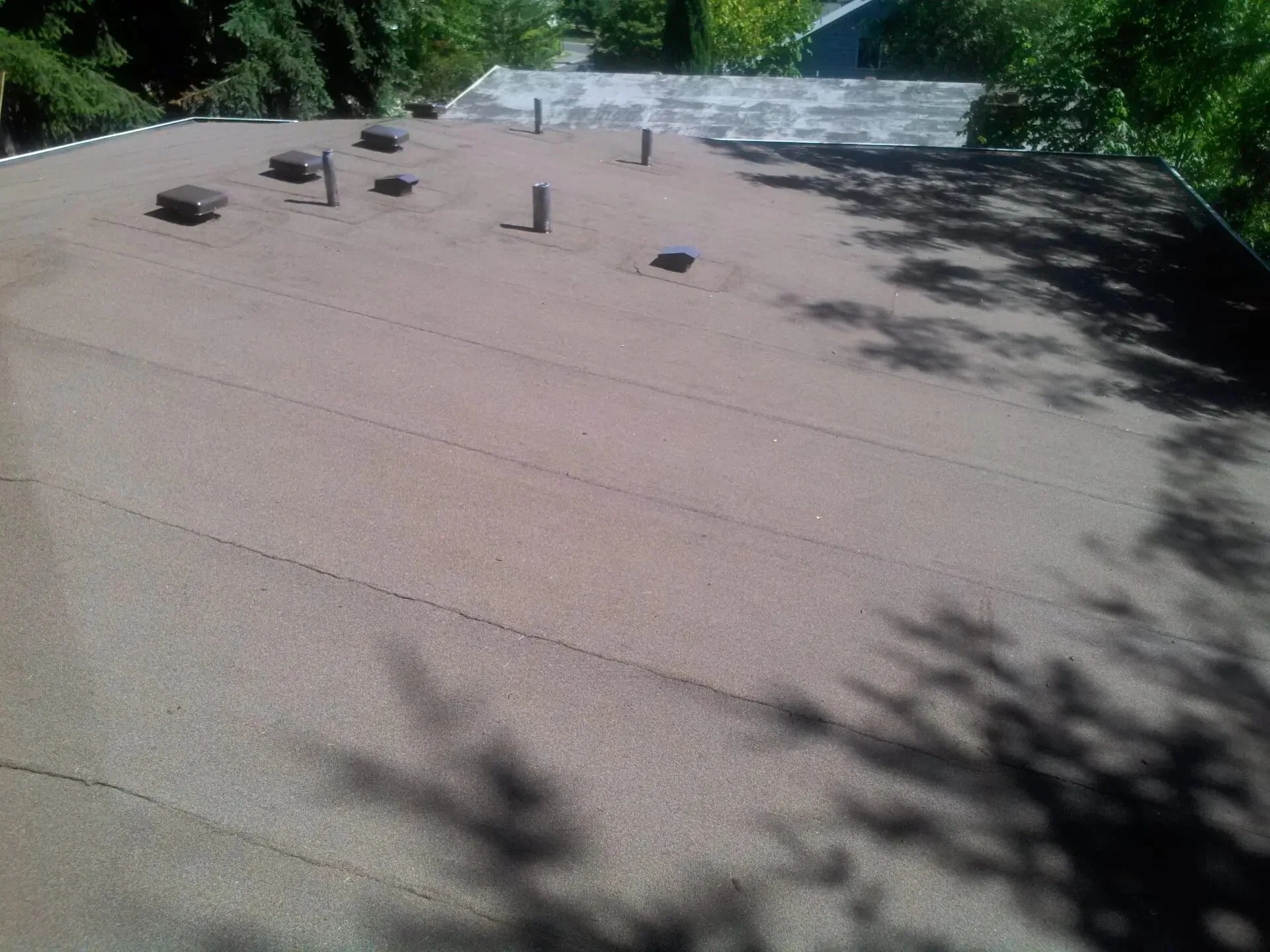
Standard EPDM is black, which absorbs solar heat rather than reflecting it. On a conditioned building with adequate roof insulation, that absorbed heat mostly stays out of the interior, but on an under-insulated building it drives cooling load up during Utah County's hot, high-UV summer stretch. White EPDM exists specifically to address this, trading some of black EPDM's cost advantage for reflectivity closer to what TPO offers.
For most owners, the decision comes down to the insulation package underneath rather than membrane color alone. A well-insulated black EPDM roof can perform reasonably on utility cost, while a poorly insulated white EPDM roof will still lose the battle against heat gain through thermal bridging at fasteners and seams. We evaluate both together rather than treating membrane color as a stand-alone fix.
Freeze-Thaw and Seam Integrity
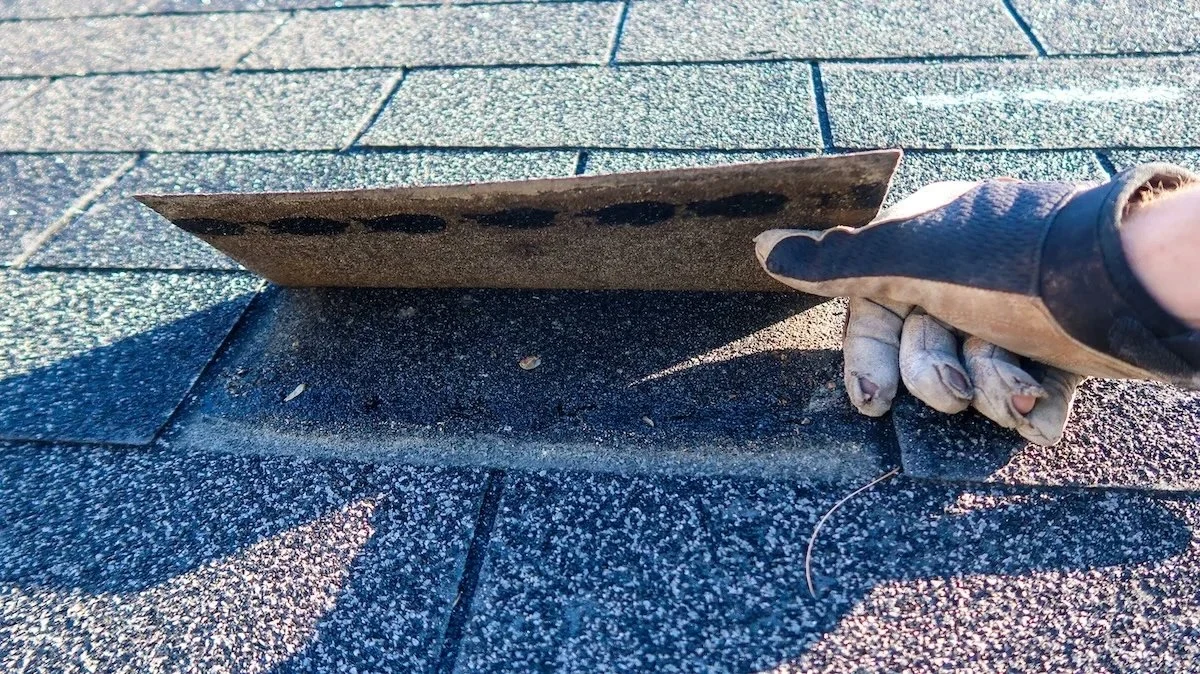
EPDM's biggest vulnerability on the Wasatch Front is seam failure, not membrane puncture. Adhesive-taped seams that were installed correctly hold up for years, but freeze-thaw cycling works into any seam that had inadequate primer coverage or was installed in marginal temperature conditions during original construction. We check seam integrity on every inspection, since a failing seam rarely announces itself until water is already tracking into the building.
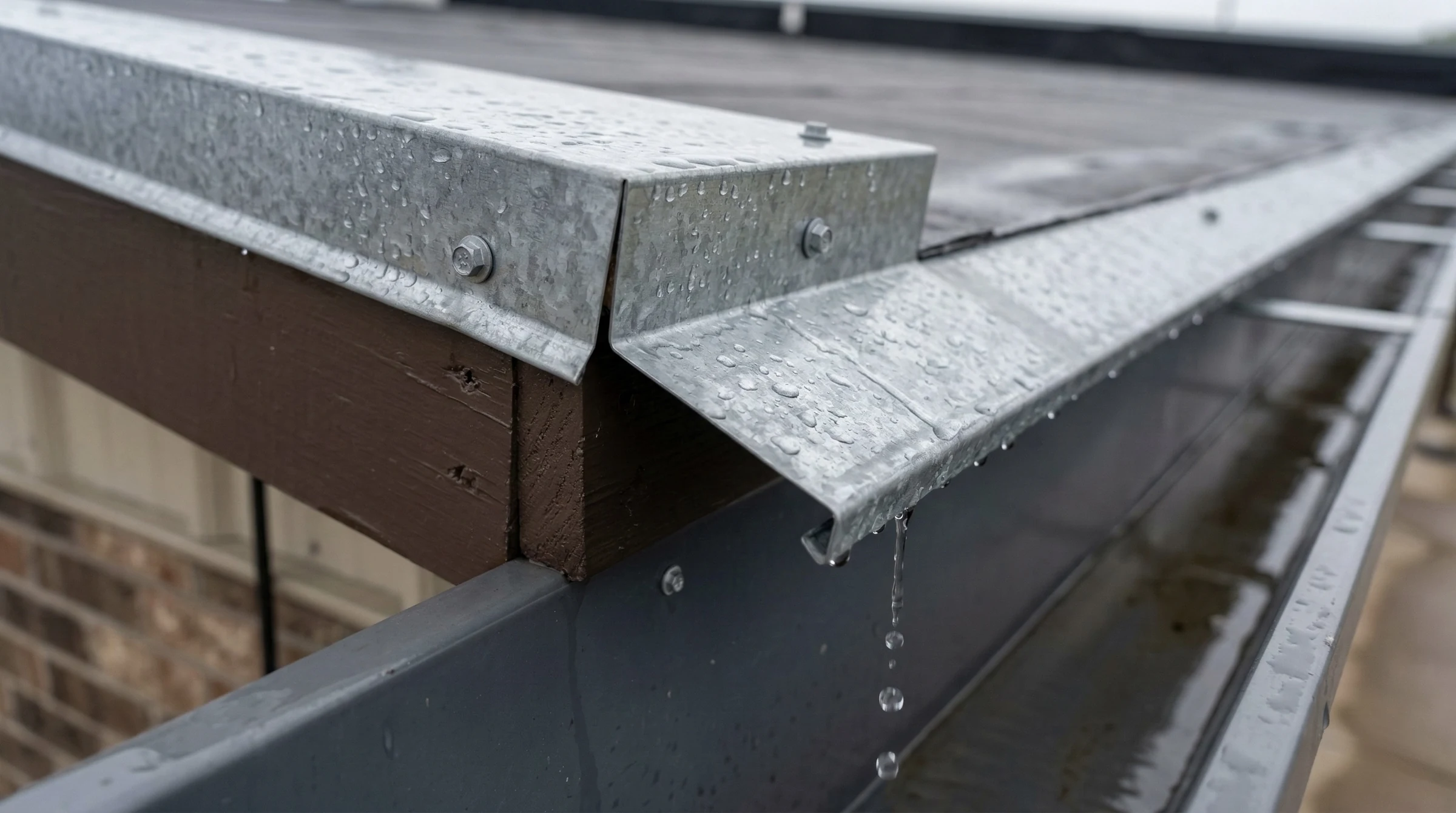
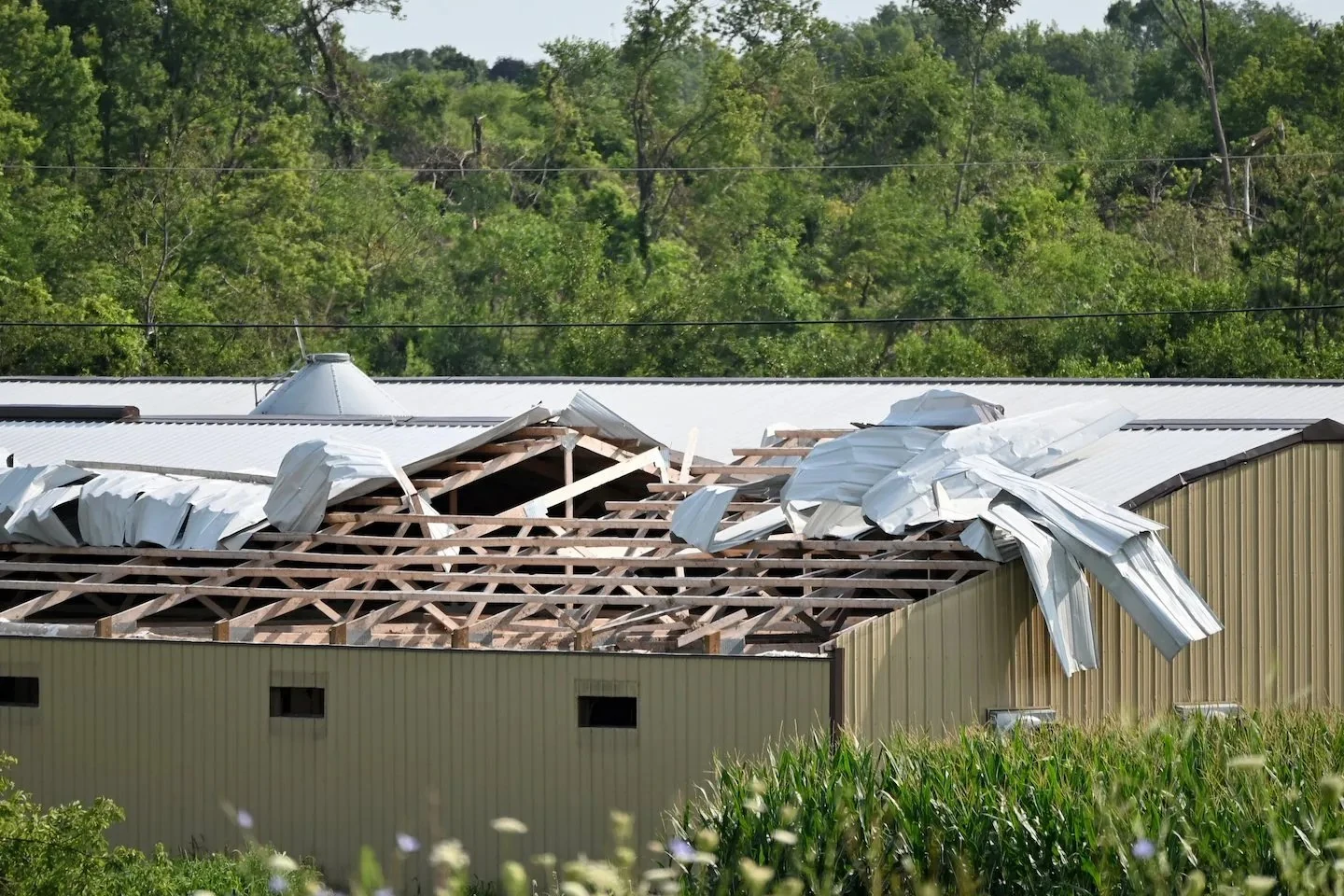
Flashing details around parapets, curbs, and penetrations see similar stress, and these are the points where most EPDM leaks actually originate rather than in the field of the membrane itself. On buildings near canyon mouths where wind-driven debris is more common, we also check for punctures near roof edges, since a small perforation in EPDM can go unnoticed for a long time before it works into a real leak.
Repair, Recover, or Replace
Older EPDM roofs on downtown Provo and East Bay district buildings often present a straightforward choice between patch repair, a recover with new membrane over the existing system, or full tear-off. We test the existing membrane and insulation for moisture retention before making a recommendation, because a wet insulation layer under a recover just traps the problem instead of solving it.
- Older ballasted EPDM on industrial and flex buildings along Geneva Road
- Retail and office roofs converted from built-up roofing decades ago
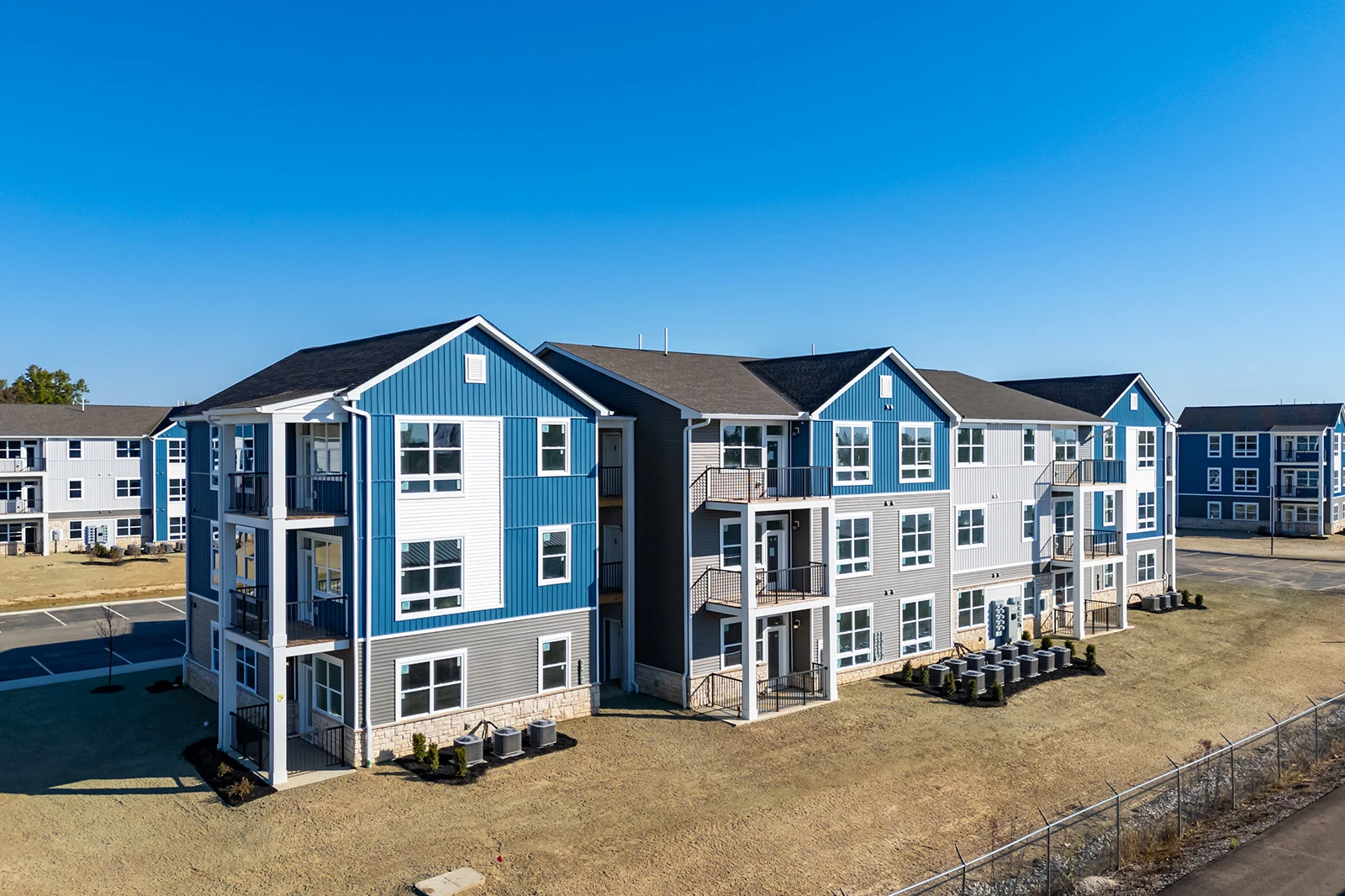
- Multifamily apartment low-slope sections
- Manufacturing buildings needing a cost-effective large-area membrane
- Buildings where structural load limits rule out heavier ballasted recover options
For buildings where structural capacity is a concern, mechanically attached or fully adhered EPDM avoids the added ballast weight while still delivering the membrane's flexibility advantage in cold temperatures.
Cold-Weather Flexibility
One advantage EPDM holds over some single-ply alternatives is how it handles cold. Rubber membrane stays more flexible at low temperatures than some plastics, which matters for a roof that sees repeated freeze-thaw swings through a Utah County winter. That flexibility reduces the risk of cracking at flashings and transitions during the coldest stretches of the year, which is one reason EPDM still holds a place on this side of the Wasatch Front even as thermoplastic membranes have taken over most new construction specifications.
Owners weighing EPDM against TPO or PVC for a full replacement should think about the building's future use as much as first cost. A distribution facility planning to stay in the same footprint for another two decades gets more long-term value from the membrane best matched to its insulation and structural profile than from whichever system happens to be cheapest at the time of the bid.
EPDM Questions From Provo and Orem Owners
Is ballasted EPDM a good fit for every flat roof?
No. It works well where the structure can bear the added weight and where wind exposure calls for the extra hold-down. We check structural capacity before recommending it, especially on older buildings.
Does white EPDM cost much more than black?
It typically carries a modest premium. Whether that premium pays off depends on the building's insulation level and cooling demand, which we evaluate before recommending one over the other.
How do you find a failing seam before it leaks?
We probe seams during inspection rather than relying on a visual check alone, since a seam can look intact while adhesive underneath has already failed.
Can EPDM be recovered instead of torn off?
Often, if the existing membrane and insulation test dry. We do not recommend recovering over a wet insulation layer regardless of how the membrane itself looks.
How does EPDM handle Provo Canyon wind exposure?
Ballasted systems resist uplift well in exposed locations, provided the ballast is properly distributed and the structure supports the weight. Mechanically attached EPDM needs a fastening pattern matched to the specific wind exposure of the site.
Ready to review the roof scope?
Request a Roof Assessment