Commercial Roofing Contractors Benjamin, UT
Commercial Roofing • Service Areas • Provo,
Commercial Roofers in Benjamin
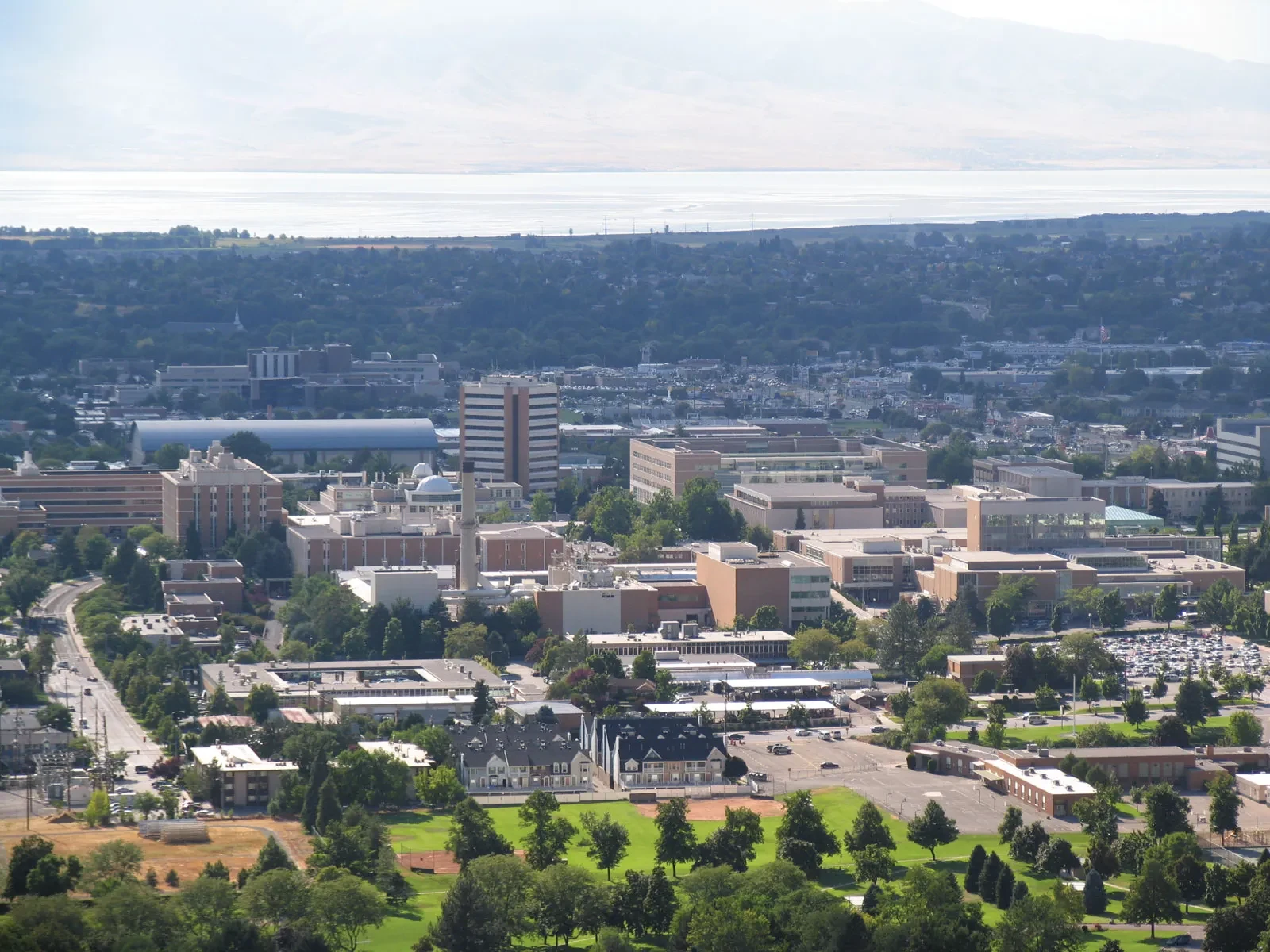
Commercial roofing in Benjamin should begin with a documented assessment of membrane condition, seams, flashings, drainage, penetrations, and moisture before repair, coating, or replacement is selected. Benjamin is farm ground between Spanish Fork and Springville, cropland and dairy operations spreading out toward the wetlands of Benjamin Slough to the west. The roofing work here is almost entirely agricultural: dairy barns, hay and equipment storage, crop processing buildings, and the community's meetinghouse.
Dairy Operation Roofs Carry a Heavy, Constant Moisture Load
A working dairy barn generates humidity around the clock from milking operations, animal respiration, and washdown water, and that moisture load is more constant and more concentrated than almost any other ag building type. Roof ventilation on a dairy structure has to keep pace with that, or condensation forms on the underside of the roof deck and drips back down into an area that needs to stay sanitary.
We check ridge and eave ventilation on dairy buildings with that continuous moisture source specifically in mind, since a design that is adequate for a hay barn often falls short on a building running washdown cycles every day.
The size of the herd and the specific milking setup both affect how much moisture a given barn actually generates, so we ask about the operation's daily routine before recommending a ventilation fix rather than assuming every dairy building in the area needs the identical solution. A parlor running multiple milking cycles a day puts a different load on the roof than a smaller operation milking once.
Benjamin Slough's Standing Water Adds Ambient Humidity
The wetlands of Benjamin Slough sit close enough to much of the farm ground here that ambient humidity runs higher than it does further from the water, especially in early morning and evening. That extra moisture in the air settles on metal roofing the same way it settles on parked equipment, accelerating corrosion at fasteners and seams over time.
Buildings closest to the slough tend to show that wear earlier than similar structures further out on drier ground, so we factor proximity to the wetland into how often we recommend a given roof gets inspected.
Seasonal wind off the slough can also carry more debris and vegetation onto a nearby roof than a building further from the wetland would collect, and that debris traps moisture against the panel surface in a way that speeds up exactly the corrosion pattern we are already watching for. A gutter and roof-surface clearing pass matters more here than it would on a typical inland farm building.
What a Benjamin Farm Building Inspection Covers
Between dairy operations, crop storage, and general equipment buildings, the checklist stays consistent even as the buildings themselves vary.
- Ventilation capacity relative to the building's actual moisture source, whether livestock, washdown, or stored crop
- Fastener and seam corrosion, checked more closely on buildings nearest the slough
- Structural framing condition where past leaks have gone unaddressed
- Gutter and downspout function around dairy and equipment buildings alike
- Flashing integrity at any roof-mounted ventilation or lighting penetrations
Crop Processing and Storage Buildings Run a Simpler Equation
Away from the dairy operations, crop storage and processing buildings deal with a more familiar set of issues: keeping stored product dry, managing dust from handling equipment, and standard wear from age and weather. These roofs get a more conventional ag-building inspection, without the added humidity concerns that come with active livestock operations.
We still check them on a regular schedule, since a crop storage roof failure during harvest season creates the kind of loss that is hard to recover from mid-season.
The Meetinghouse Anchors the Community Away From the Farm Buildings
Benjamin's meetinghouse is the one building in the area that is not tied to farming, and it runs on its own fixed schedule that we plan any roofing work around rather than the more flexible timing that a farm building's owner can usually offer.
The roof itself is straightforward, and the work there is mostly routine inspection and flashing upkeep rather than anything unusual for a building this size.
Odor and Ventilation Considerations Specific to Dairy Roofs
Roof ventilation on a dairy building does more than manage moisture. Proper airflow also affects odor management inside the barn, which matters for both animal health and the working conditions for anyone on site daily. A ventilation system that is undersized for the building's moisture load is often undersized for odor management too, since both problems come from the same root cause.
We look at the two together during inspection, since a fix aimed only at condensation without considering overall airflow can leave the odor problem unaddressed even after the moisture issue improves.
Benjamin Farm Owners Ask Us This
Why does a dairy barn need more roof ventilation than a typical farm building?
Continuous moisture from milking, washdown, and animal respiration creates a heavier, more constant humidity load than a hay barn or equipment shed ever sees, so ventilation has to be sized accordingly.
Does being near Benjamin Slough actually change how a roof ages?
Yes, buildings closest to the wetland see more ambient humidity overnight, which accelerates corrosion at fasteners and seams compared to similar buildings on drier ground further out.
How is a crop storage building's roof different from a dairy barn's?
Crop buildings deal with dust and standard weather wear rather than a constant internal moisture source, so the inspection focus shifts toward dust management and conventional panel condition.
What is the risk of a roof failure during harvest season?
A leak into stored crop mid-harvest is a loss that is difficult to recover from, which is why we push regular inspection on storage buildings ahead of the season rather than reacting after a problem shows up.
Do you work around a farm's operating schedule?
Yes, particularly for dairy operations where milking and washdown cycles run continuously and do not pause for a roofing crew.
Ready to review the roof scope?
Request a Roof Assessment