
Commercial Roofing Contractors Downtown Provo, UT
Commercial Roofing • Service Areas • Provo,
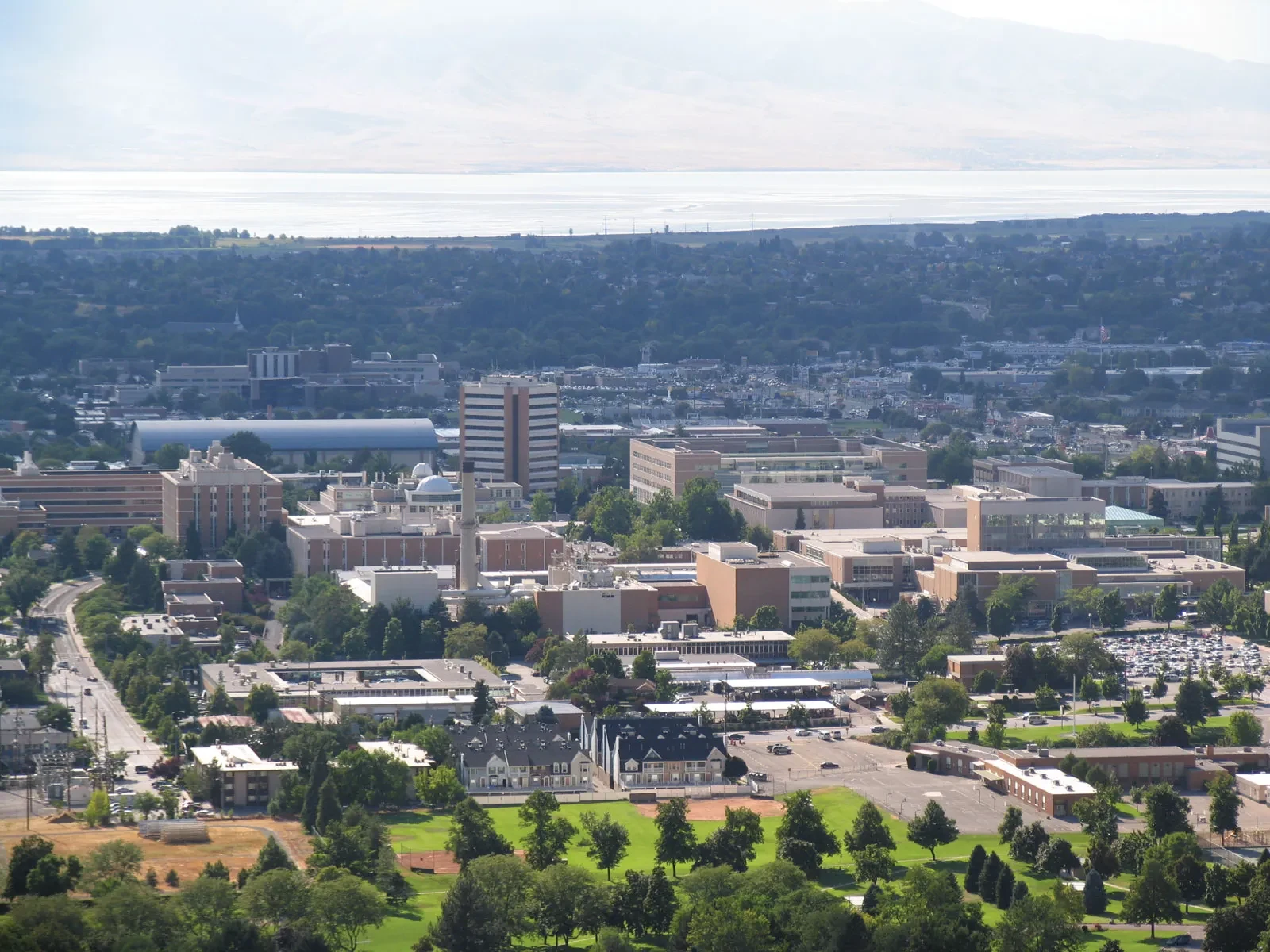
Commercial Roofers in Downtown Provo
For commercial properties in Downtown Provo, the defensible choice between repair, restoration, and replacement starts with roof-system condition, moisture findings, drainage performance, and remaining service life. Downtown Provo's commercial core along Center Street and the blocks around it is older building stock than almost anywhere else we work in the valley , brick storefronts, converted upper-floor offices, and a restaurant scene that's grown into buildings never designed to vent commercial kitchen exhaust. Roofing here starts with figuring out what's actually holding the roof up before we talk about what goes on top of it.
Reading an Old Deck Before Specifying Anything New
A lot of downtown Provo's commercial buildings sit on steel bar joist or older wood deck construction that's been re-roofed multiple times over the decades, sometimes with a new membrane laid directly over an aging substrate rather than a full tear-off. Before we recommend an insulation or membrane package, we're checking deck condition and structural capacity, because a downtown building that's carried three roof systems already may not have the load capacity for a heavier fourth one without reinforcement.
This is different from the greenfield work we do further out the valley, where the deck was engineered last year for the roof going on it now. Here, the roof has to work with what the building actually has, not what a current code minimum assumes.
Restaurant Roofs and the Grease and Heat Problem
Center Street's restaurant density means a meaningful share of downtown's commercial roofs are dealing with kitchen exhaust , grease-laden air venting through rooftop hoods, plus the sustained heat those exhaust fans put out right at the roof surface. Membrane in the path of grease-laden exhaust degrades faster than membrane anywhere else on the same roof, and it's a spot we check specifically rather than assuming uniform wear across the field.
Grease containment and proper hood curb flashing matter here in a way they don't on an office building. A poorly detailed kitchen exhaust penetration doesn't just risk a leak, it risks a fire code issue, so we coordinate that detail with what the restaurant's exhaust system actually requires rather than treating it as a generic curb.
Upper-Floor Offices Above Ground-Floor Retail
Several of downtown's buildings mix ground-floor retail or restaurant space with office space above, which means a single roof is serving tenants with very different sensitivity to a leak. A water stain that's a minor annoyance in a storage room above a retail shop is a real problem in an office suite with computers and files underneath. We factor tenant mix into how we prioritize repair work and how conservative we get on drainage and flashing detail.
- Deck condition and structural capacity before specifying insulation thickness
- Kitchen exhaust curb flashing and grease exposure at hood penetrations
- Existing roof layer count, since some buildings have multiple systems stacked over time
- Drainage path across older, sometimes irregular roof geometry
- Parapet condition on brick storefronts, where moisture intrusion often starts
Working Around an Occupied, Active Downtown
Roof work downtown means working above businesses that are open during the day and, for restaurants, into the evening. We schedule noisy tear-off work for hours that don't conflict with a lunch rush or a dinner service below, and we coordinate access and staging with property managers who often have several tenants to keep happy at once, rather than a single occupant.
Tight Access and Limited Staging on Older City Blocks
Downtown's building footprints sit close together on narrow lots, often with no adjacent parking lot or laydown area the way a suburban commercial building would have. Getting material and equipment onto a downtown roof usually means a crane pick over the street or a rooftop hoist threaded between buildings, which takes more planning than backing a truck up to a loading dock ever would.
We coordinate street closures, permit timing, and neighboring business notification before mobilizing on any downtown block, since a poorly planned crane day can tie up Center Street traffic and draw complaints from every business on the block, well beyond the one we're working on.
Historic district guidelines add another layer some suburban jobs never encounter. A visible roof edge or parapet modification on a building with any historic designation can require review before work starts, and we build that lead time into the schedule rather than treating it as a surprise partway through the job.
What Downtown Provo Property Owners Ask
Can our old building actually support a new roof system, or do we need reinforcement first?
That depends on what's already up there. We check existing layer count and deck condition before recommending anything, and in some cases a lighter-weight system is the right call specifically because of what the structure can carry.
Why does the roof near our kitchen exhaust wear out faster than the rest?
Grease-laden exhaust air and sustained heat from the hood system both accelerate membrane degradation in that specific area. It's a known wear pattern, not a sign the whole roof is failing.
Can you do roof work without disrupting our restaurant's dinner service?
Yes, we schedule the loud and disruptive phases of the work around your service hours whenever the job allows for it.
Our building has office tenants above a retail space. How does that change the repair priority?
We weigh how sensitive the space below a given roof area is to water intrusion, and prioritize accordingly rather than treating every square foot of roof the same.
Is it common to find multiple old roof layers on downtown buildings?
It's common enough that we check for it by default. Multiple stacked layers change both the weight the deck is carrying and how a repair or recover should be approached.
Ready to review the roof scope?
Request a Roof Assessment