
TPO 60 Mil in Provo, UT
Commercial Roofing • Roof Systems • Provo,
60-Mil TPO for Flat Roofs Across Provo and Orem
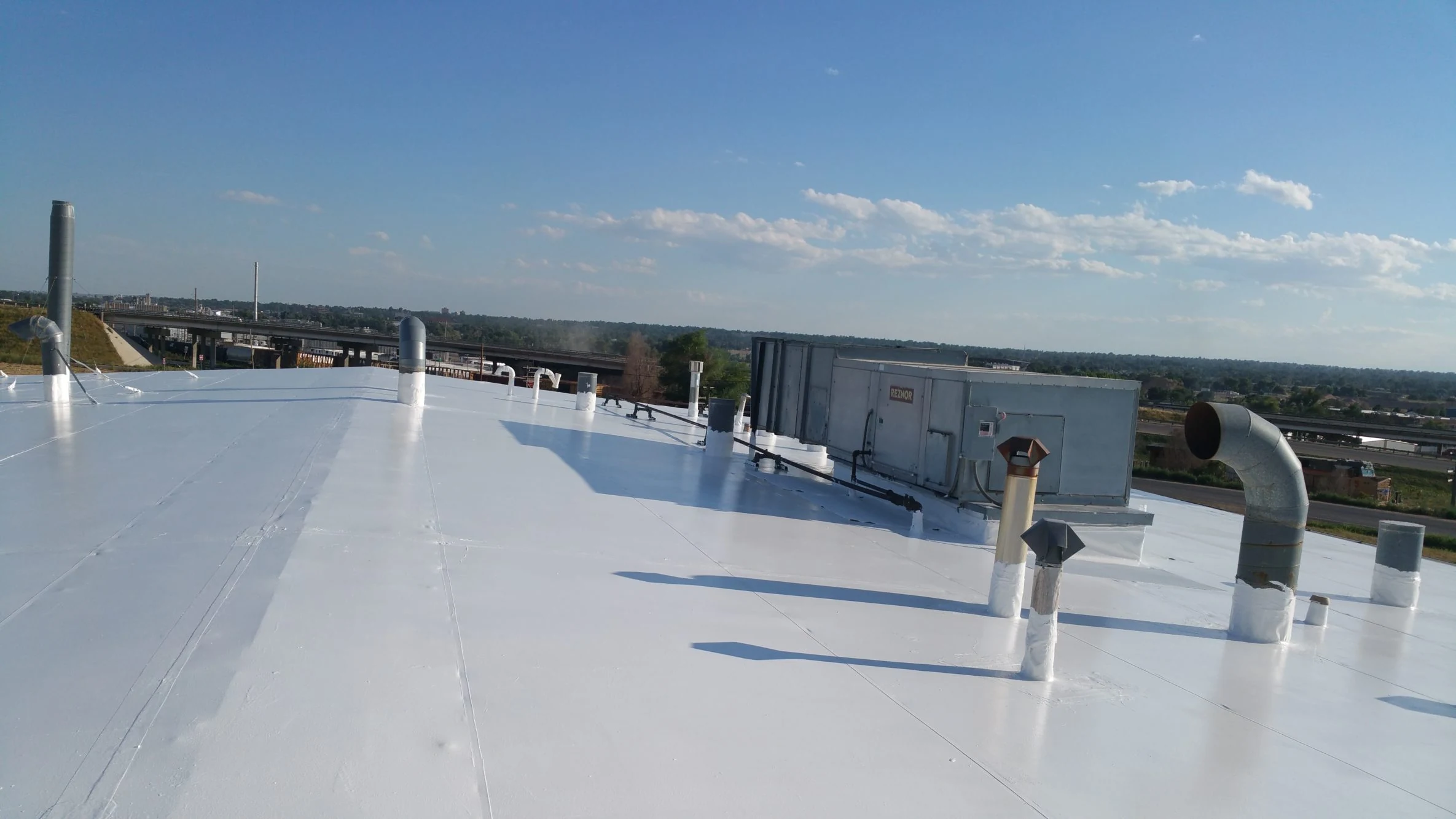
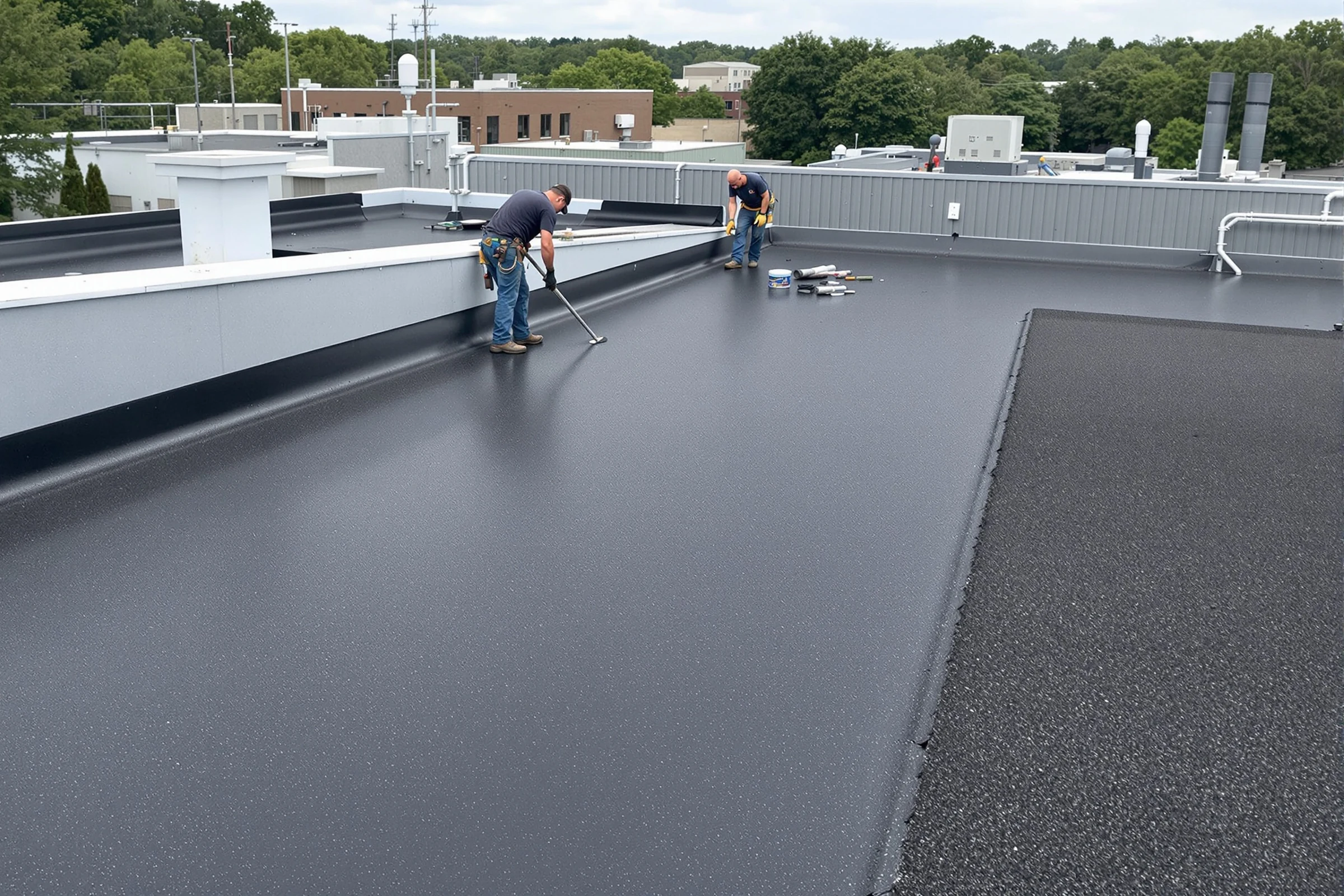
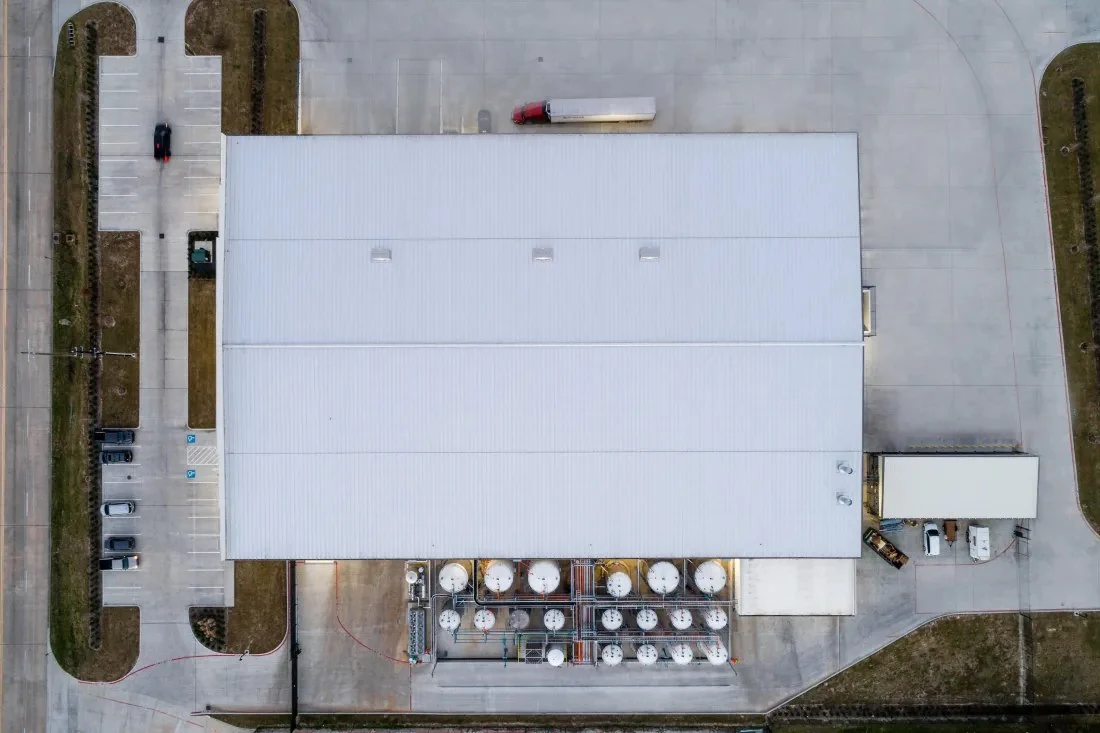
Sixty-mil TPO is the thickness we default to on most single-ply flat roof jobs in Utah Valley: office buildings along University Parkway, retail boxes near University Mall, and the flex-industrial stock filling in south Provo's business parks. It's the membrane that gives building owners the best balance of reflectivity, cost per square foot, and seam durability at 4,500 feet of elevation.
Why 60 Mil Is the Baseline Thickness We Spec
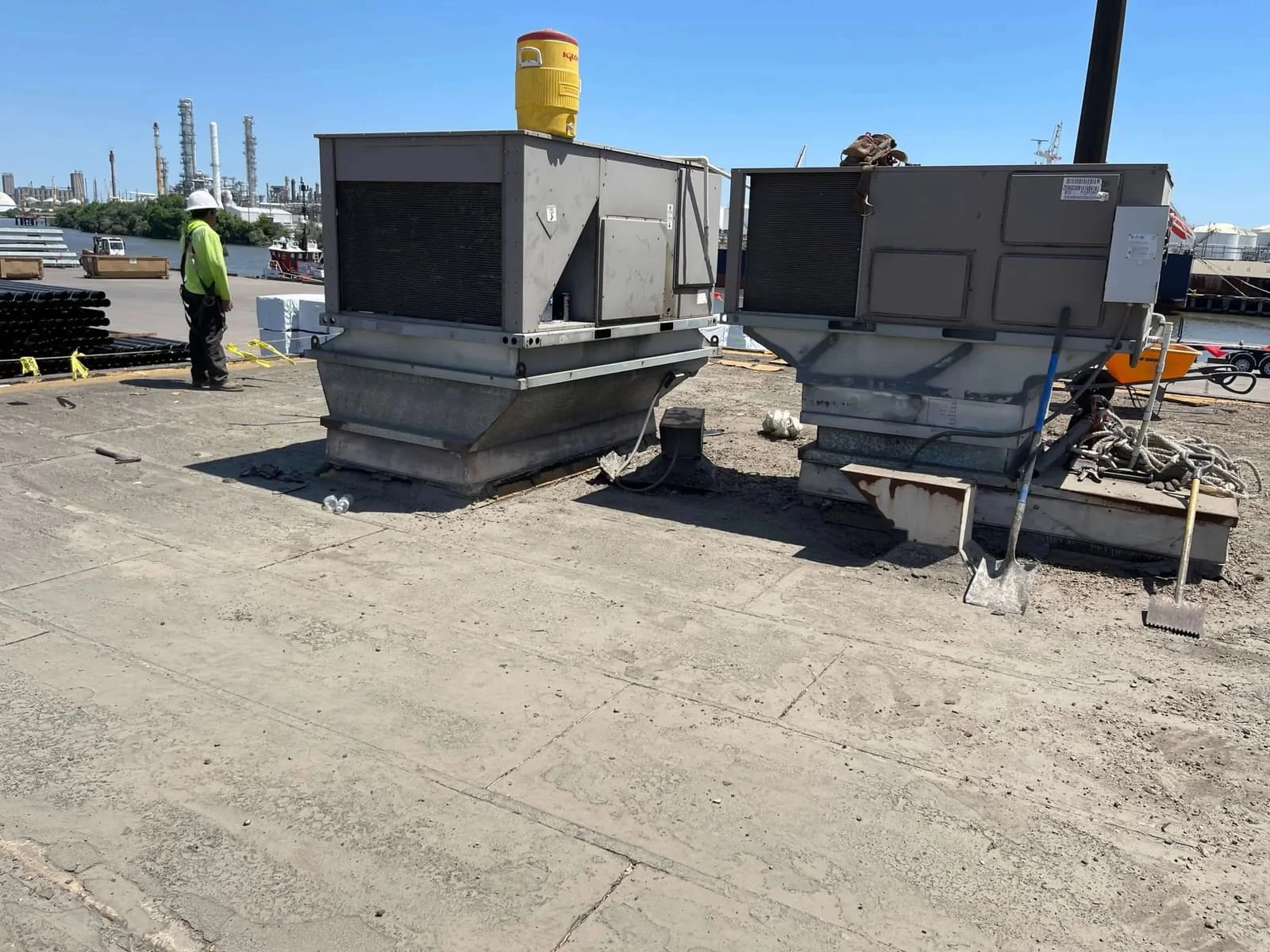
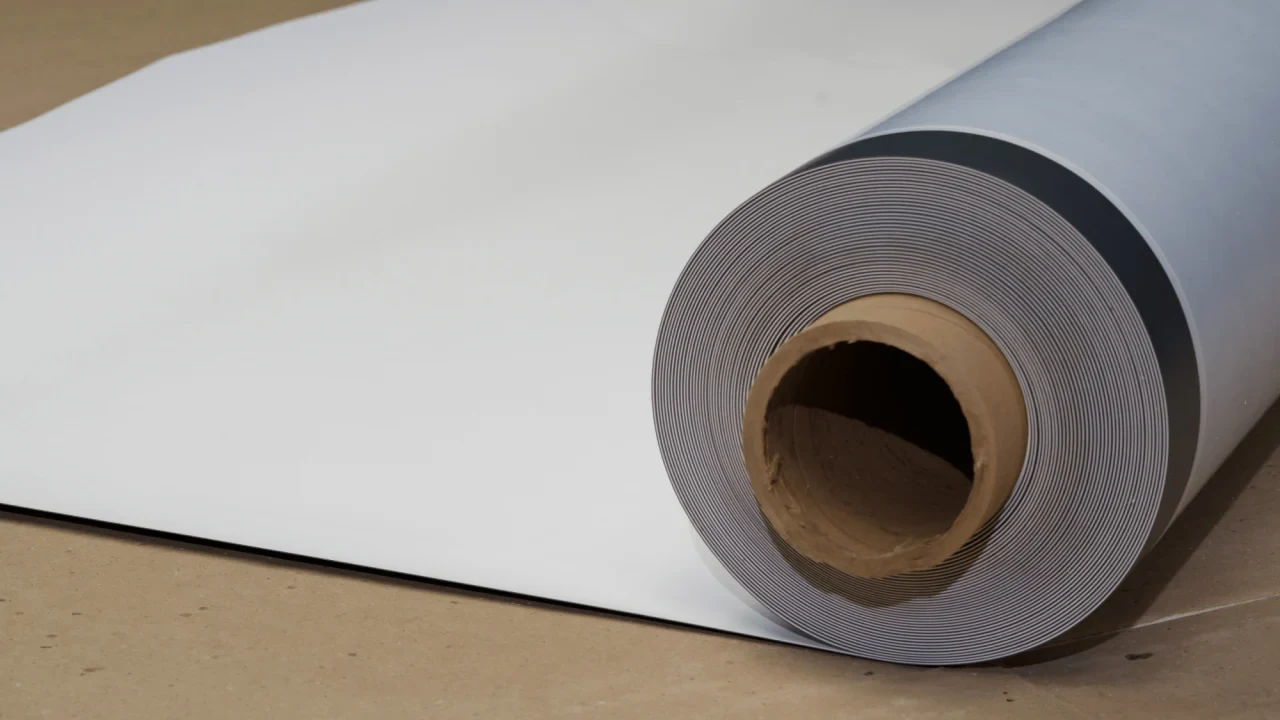
TPO ships in a handful of standard thicknesses, and 60 mil sits in the middle. It's thick enough to resist foot traffic from HVAC service techs walking the roof several times a year, but it doesn't carry the cost premium of 80-mil membrane meant for harsher mechanical exposure. For a typical single-story office or retail roof with a handful of rooftop units and no unusual foot traffic, 60 mil covers the load the roof will actually see.
The membrane is heat-welded at the seams rather than adhered with solvent, which matters in a valley that swings from single digits in January to hail-producing thunderstorms in July. Welded seams don't rely on an adhesive bond that can soften in summer heat or go brittle in winter cold.
Reflectivity and the HVAC Load Math on a Silicon Slopes Office Roof
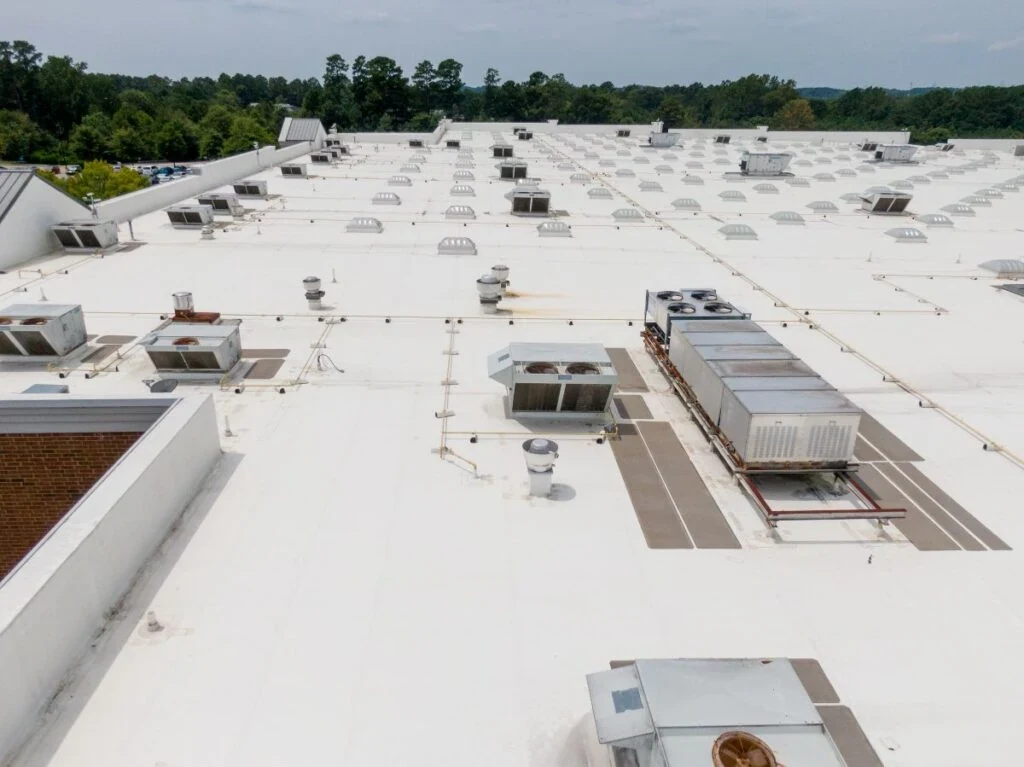
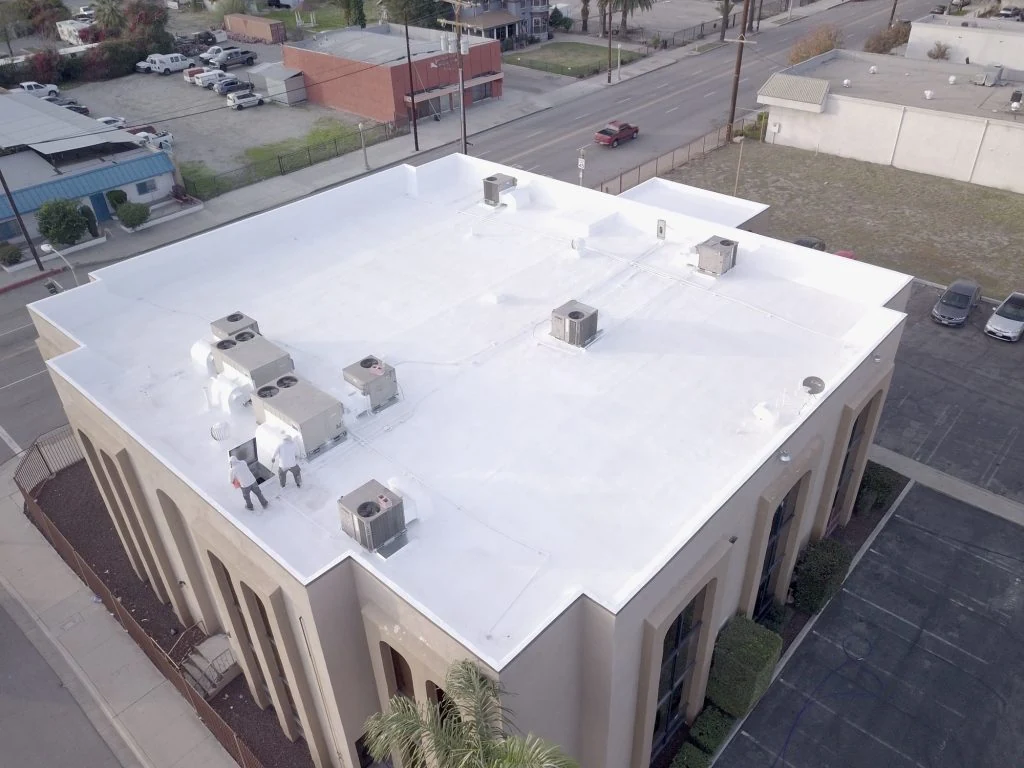
White 60-mil TPO reflects the bulk of incoming solar radiation instead of absorbing it into the deck. On a tech-office building running server rooms and dense workstation cooling loads, that reflectivity shows up directly on the rooftop unit's run time. A darker roof surface can push deck temperatures well past 150 degrees on a July afternoon; a reflective TPO surface knocks that down substantially, which is one of the reasons the membrane has become the standard choice for the office and flex-space construction going up around the Silicon Slopes corridor.
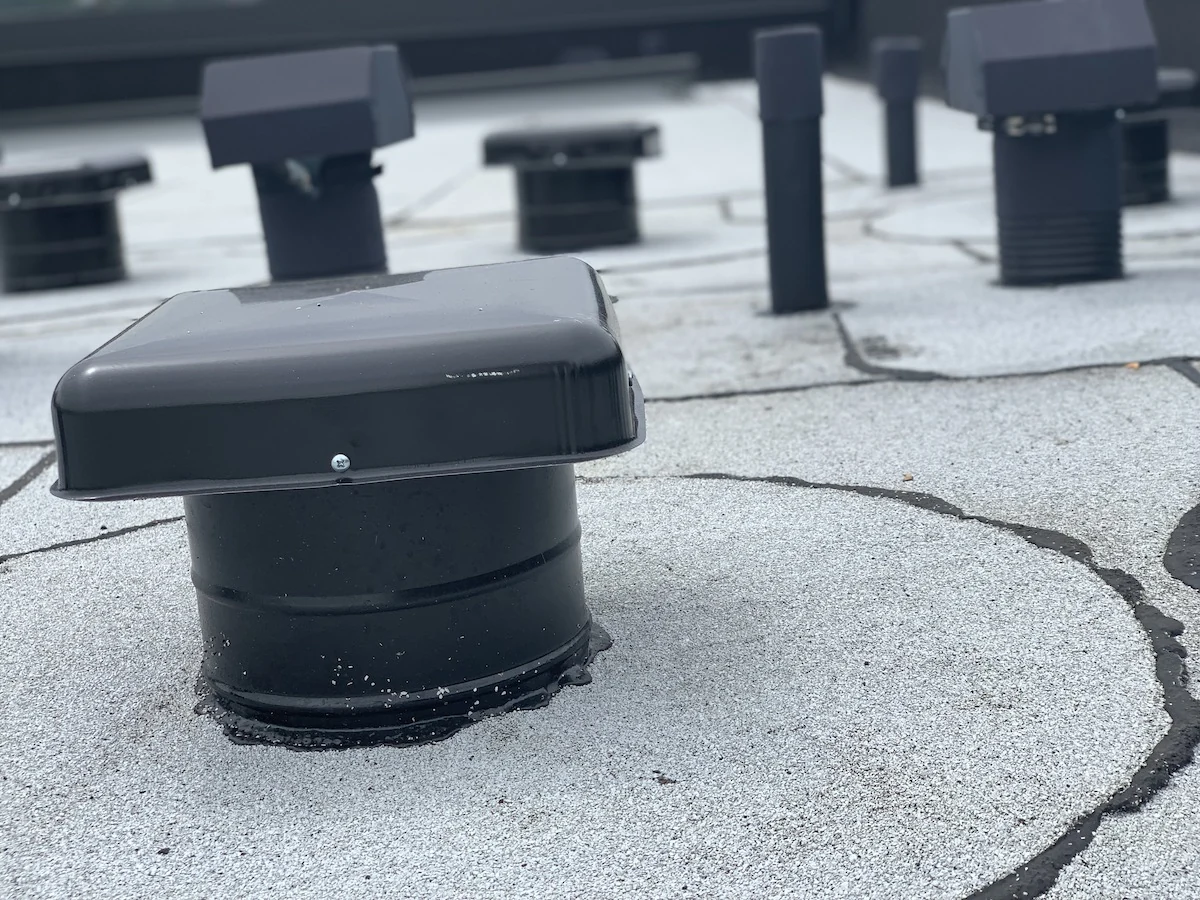
We size the insulation package underneath the membrane to the roof's actual R-value target under the energy code Utah has adopted, not to a generic number. A roof with more rooftop mechanical penetrations needs different tapered insulation planning than a clean rectangular deck, and that planning happens before the membrane ever gets ordered.
Freeze-Thaw at 4,500 Feet: What It Does to Seams
Provo sits high enough that late-winter freeze-thaw cycling is routine , warm afternoon sun, followed by nights well below freezing, repeated for weeks each spring. That cycling is hardest on membranes with poor seam integrity, because water that gets into a marginal seam expands when it freezes and works the seam open further with every cycle.
Heat-welded TPO seams are a continuous polymer bond rather than a taped or glued lap, so there's no adhesive layer to degrade under repeated freeze-thaw. We still probe every seam with a cotton swab test at final walk-through, because welding quality varies by crew and by weather conditions on install day.
Snow Load and Membrane Attachment on Provo's Flat Roofs
Utah Valley snow tends to arrive wet and heavy rather than the dry powder the mountains get, and it can sit on a flat commercial roof for days before melting. That weight matters more for the structural deck than for the membrane itself, but attachment method still counts: mechanically fastened 60-mil TPO holds up well under snow load because the plates and fasteners are spaced to the roof's actual wind-uplift and load calculations, not a one-size pattern.
Fully adhered systems are the other common option, and we lean toward them on roofs with a lot of rooftop equipment where fastener plates would interfere with future service access.
- Single-story office and professional buildings near BYU and UVU
- Retail strip centers along University Parkway and State Street
- Flex-industrial buildings in south Provo's business park district
- Restaurant and standalone commercial roofs with rooftop kitchen exhaust
- Multi-tenant buildings needing a cost-predictable re-roof after hail damage
Attachment, Insulation, and What We Walk Owners Through Before Ordering
Before we quote a 60-mil system we walk the existing roof, check the deck for wet insulation with a moisture scanner, and confirm what the wind-uplift rating needs to be based on the building's height and exposure. Provo Canyon's downslope wind events reach the valley floor often enough that uplift calculations aren't a formality here.
We also review the current insulation's R-value against code minimums. On a re-roof, adding a layer of polyiso under new 60-mil TPO is frequently the single best utility-cost improvement available, because it lowers both winter heating loss and summer HVAC run time in one pass.
Questions Provo Owners Ask Before Choosing 60-Mil TPO
Is 60 mil thick enough for a roof with several rooftop HVAC units?
For routine service foot traffic, yes. If the roof will see heavier equipment traffic, like solar array installation or frequent crane-served mechanical swaps, we'll talk through 80-mil membrane instead.
How long does a 60-mil TPO roof typically last in this climate?
Membrane manufacturers publish service life ranges based on lab and field data, and actual performance depends heavily on installation quality, drainage, and maintenance. We can walk through published manufacturer data during a site visit rather than quote a number in the abstract.
Does color affect anything besides cooling cost?
Reflective white membrane also runs cooler under UV exposure, which slows the surface aging that eventually leads to seam and membrane brittleness. At this elevation, UV intensity is part of that equation.
Can 60-mil TPO go over an existing roof?
Sometimes, if the existing deck and insulation are dry and structurally sound. We check moisture content everywhere before recommending recover instead of tear-off.
What voids a TPO warranty fastest?
Unapproved rooftop penetrations added after install , satellite dishes, signage brackets, conduit runs , are the most common cause we see. Any future rooftop work should route through the roofing contractor first.