Roofing for Property Management Firms in Provo, UT
Commercial Roofing • Industries We Serve • Provo,
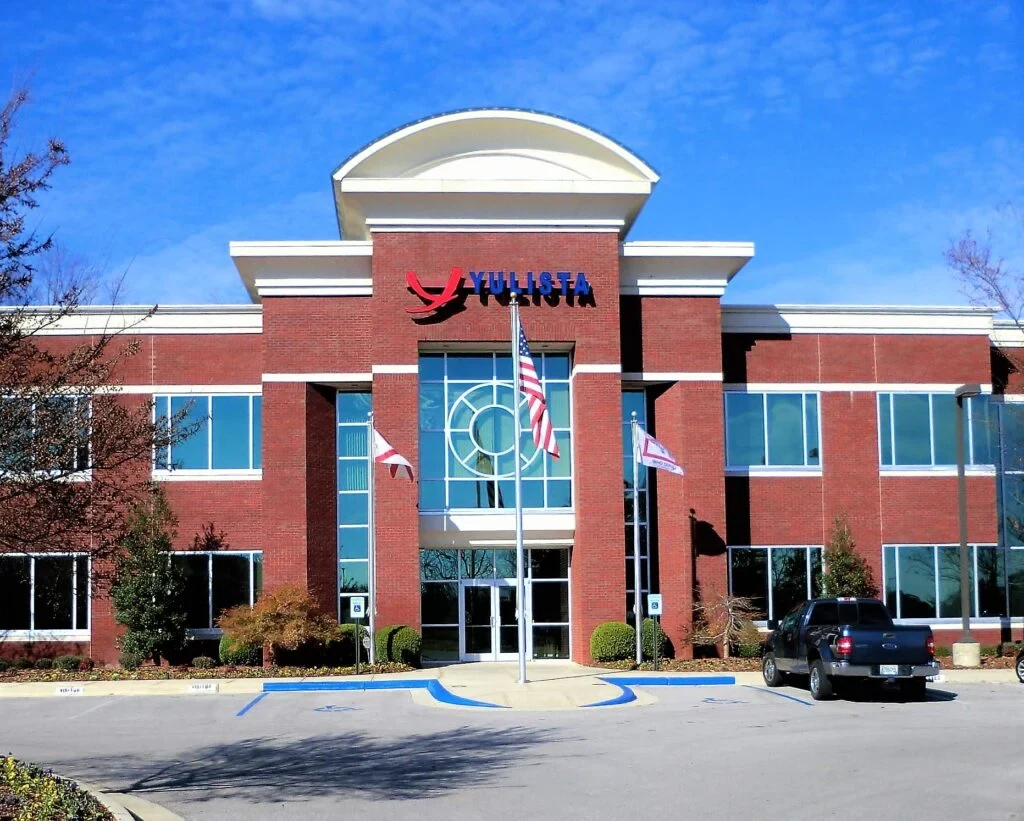
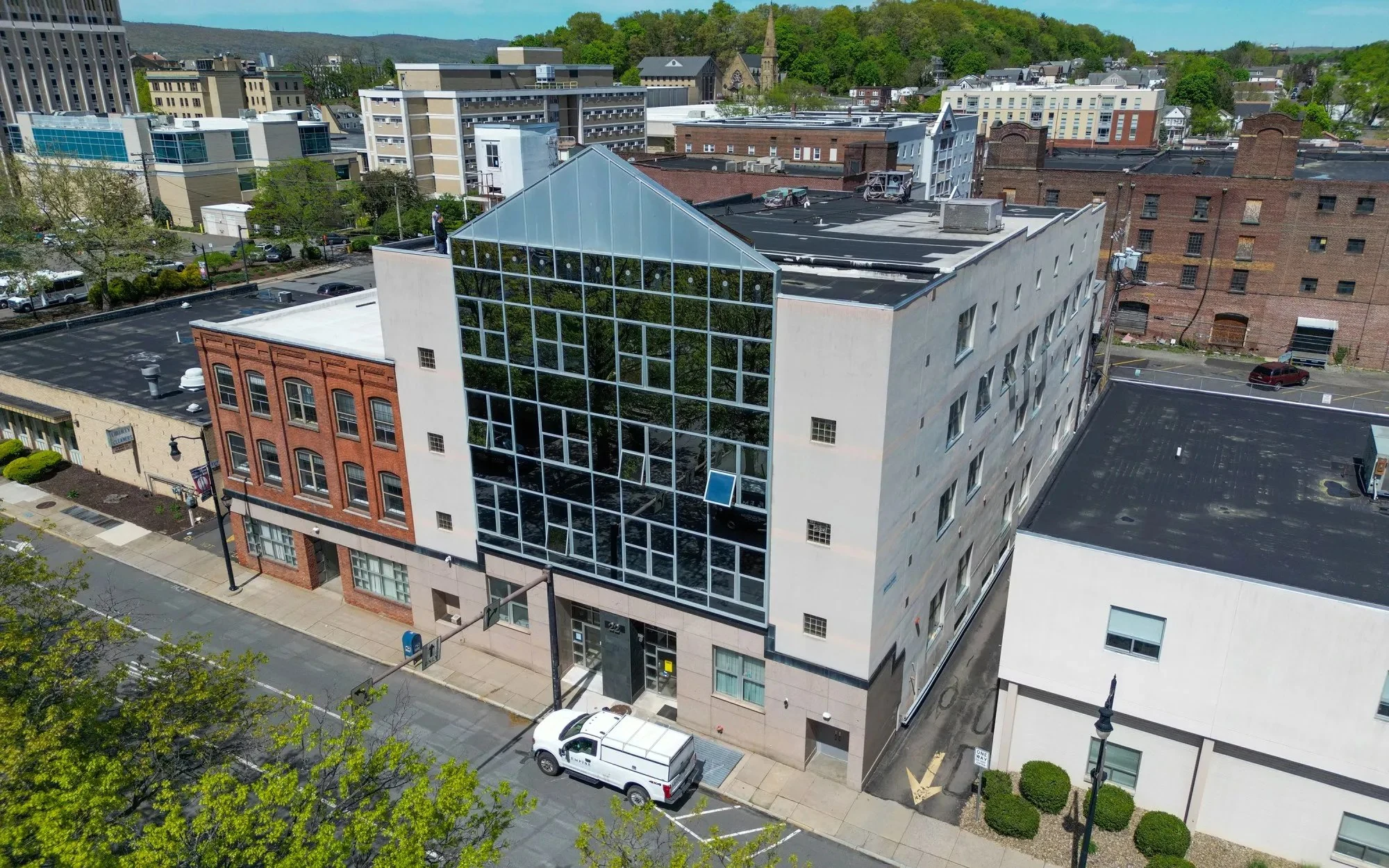
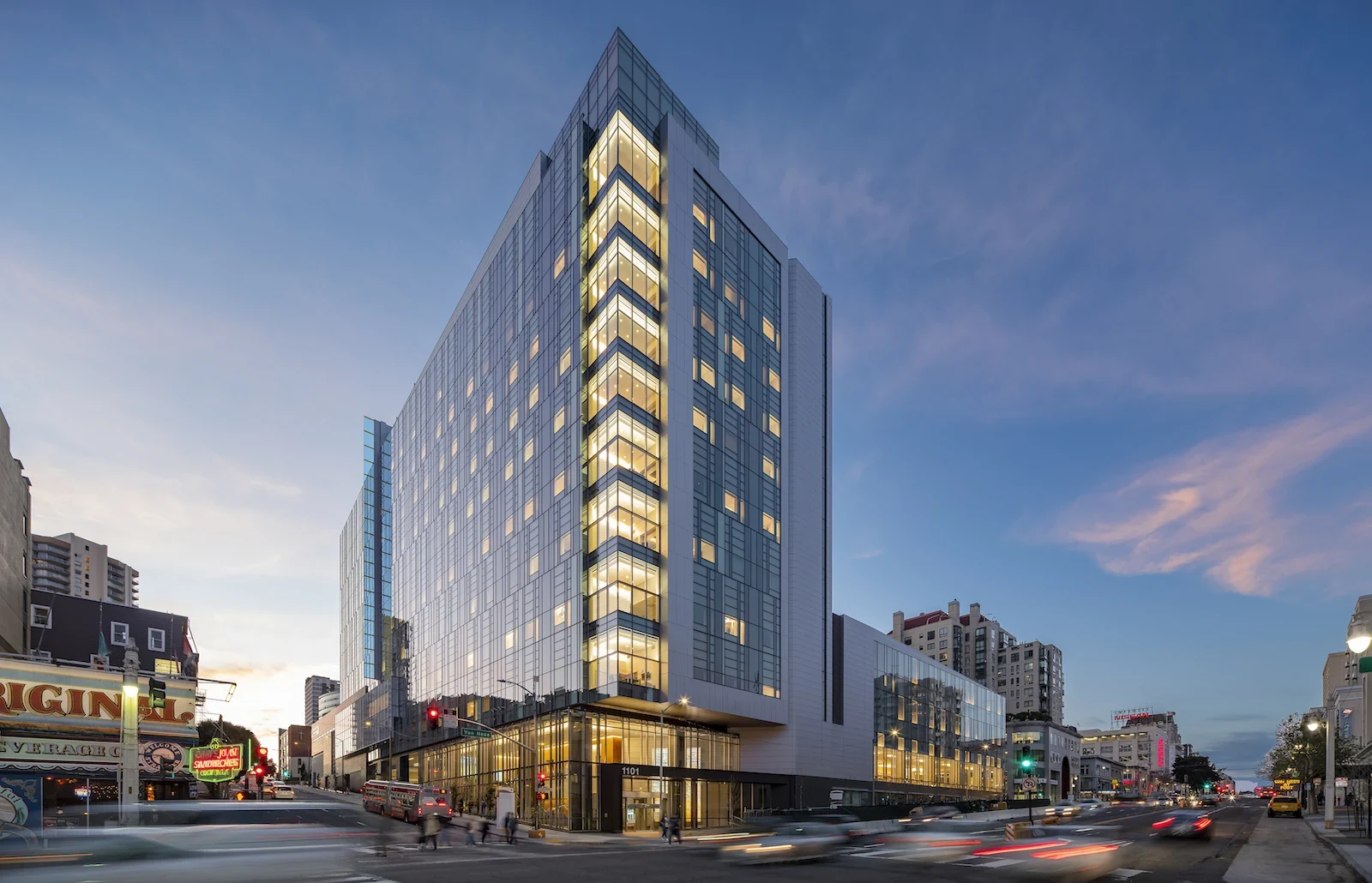


Managing Roof Risk Across a Portfolio, Not Simply One Building
Property managers running office parks in Lehi, retail plazas along State Street, or multifamily portfolios spread across Orem and American Fork don't need a one-time roof fix, they need a roof partner who thinks in reserve schedules and tenant impact. We build our reports and pricing around what a portfolio manager actually has to bring to an owner's budget meeting: remaining service life, utility cost trend, and what happens if a repair gets deferred another year.
Utility Cost Is the Number Owners Actually Look At
On a triple-net office lease, roof condition shows up indirectly through CAM reconciliations and tenant complaints about comfort; on a multifamily property, it shows up directly on the owner's utility statement. Either way, a roof that's absorbing heat instead of reflecting it is adding cost that the property manager eventually has to explain. We give portfolio managers surface temperature comparisons and rooftop unit run-time estimates before and after a reflective recover, because that's the kind of number that gets a capital request approved instead of tabled.
We also flag insulation gaps during routine inspections even when they're not the reason for the service call. A property built in the 1990s along State Street often has R-value well below what current tenants and equipment demand, and pointing that out during a leak repair gives the property manager a heads-up before it becomes an emergency capital item.
Scheduling Around Tenants, Leases, and Occupancy
Retail centers need roof work scheduled around store hours and, in some cases, around a specific tenant's lease clause about disruption notice. Office buildings need it scheduled around a building's actual occupancy pattern, not simply business hours, since a Silicon Slopes tech tenant might run a night shift or weekend on-call staff that a standard retail center wouldn't have. Multifamily is its own category entirely: work above occupied units requires resident notice, protected walkways, and a crew that isn't dropping debris near a playground or a pool deck. We ask for the building's specific occupancy and tenant profile before we schedule, rather than defaulting to a standard weekday window.
Reserve Fund Planning Across a Multi-Building Portfolio
A portfolio manager overseeing several buildings needs to know which roof is closest to failure this year, which one can wait two more years with a maintenance program, and which one just needs routine drain cleaning and inspection. We build that ranking directly into our inspection reports so a reserve study or capital plan can reference actual condition data instead of estimated age alone. Two roofs installed the same year can be in very different condition depending on drainage design, prior repair quality, and how much rooftop equipment traffic they've absorbed.
Typical portfolio situations we handle for property managers:
- Multi-building condition assessments for annual reserve studies
- Preventive maintenance contracts across several properties
- Emergency leak response with same-week scheduling
- Tenant-notice coordination on occupied retail and office buildings
- Multifamily work above occupied units with resident safety protocols
- Capital request documentation with utility cost projections
Office Parks in Lehi Versus Retail on State Street
The Silicon Slopes office parks in Lehi are newer buildings on average, so the work there tends toward preventive maintenance and targeted repair rather than full replacement, and tenants expect fast response since a leak near server or network closets is treated as urgent regardless of the actual water volume involved. State Street retail runs older, with more roofs approaching the end of a service life that a property manager inherited rather than specified, which shifts the conversation toward replacement timing and how to phase a multi-tenant strip so no storefront loses roof coverage during business hours.
American Fork and Orem multifamily add a third pattern again. Those properties tend to be a mix of 1980s and 1990s garden-style buildings with pitched composition roofs alongside newer flat-roof clubhouse and amenity buildings, and the two roof types age on completely different timelines. We track them separately in a portfolio report rather than averaging condition across the property, because a clubhouse roof nearing replacement doesn't mean the residential buildings next to it are in the same shape.
What Property Managers Ask Us Most
Can you give us utility cost data we can bring into an owner budget meeting?
Yes, we provide surface temperature and estimated rooftop unit run-time comparisons for reflective recover options, formatted for a capital request rather than a technical spec sheet.
How do you handle scheduling above occupied multifamily units?
We coordinate resident notice timing with your office, protect walkways and common areas during the work, and keep crews off pool decks and playground areas during active hours.
Can you rank multiple roofs across our portfolio by urgency?
Yes, our inspection reports rank each roof by remaining service life and immediate risk so your reserve study or capital plan reflects actual condition rather than building age alone.
Do you work around specific tenant lease requirements about notice or disruption?
Yes, tell us what's in the lease and we'll build the schedule around it rather than defaulting to a standard notice window that might not satisfy the clause.
What's the fastest you can respond to an active leak on an occupied building, and do you track pitched residential roofs separately from flat amenity roofs?
Emergency tarp and dry-in response is typically same-day, with occupied space and tenant-facing leaks prioritized over vacant or storage-area calls. On mixed-roof properties, a garden-style building's composition shingle roof and a clubhouse's flat membrane age on unrelated timelines, so our portfolio reports keep them as separate line items rather than blending them into one property-wide condition score.