
Education Facilities Roofing in Provo, UT
Commercial Roofing • Industries We Serve • Provo,

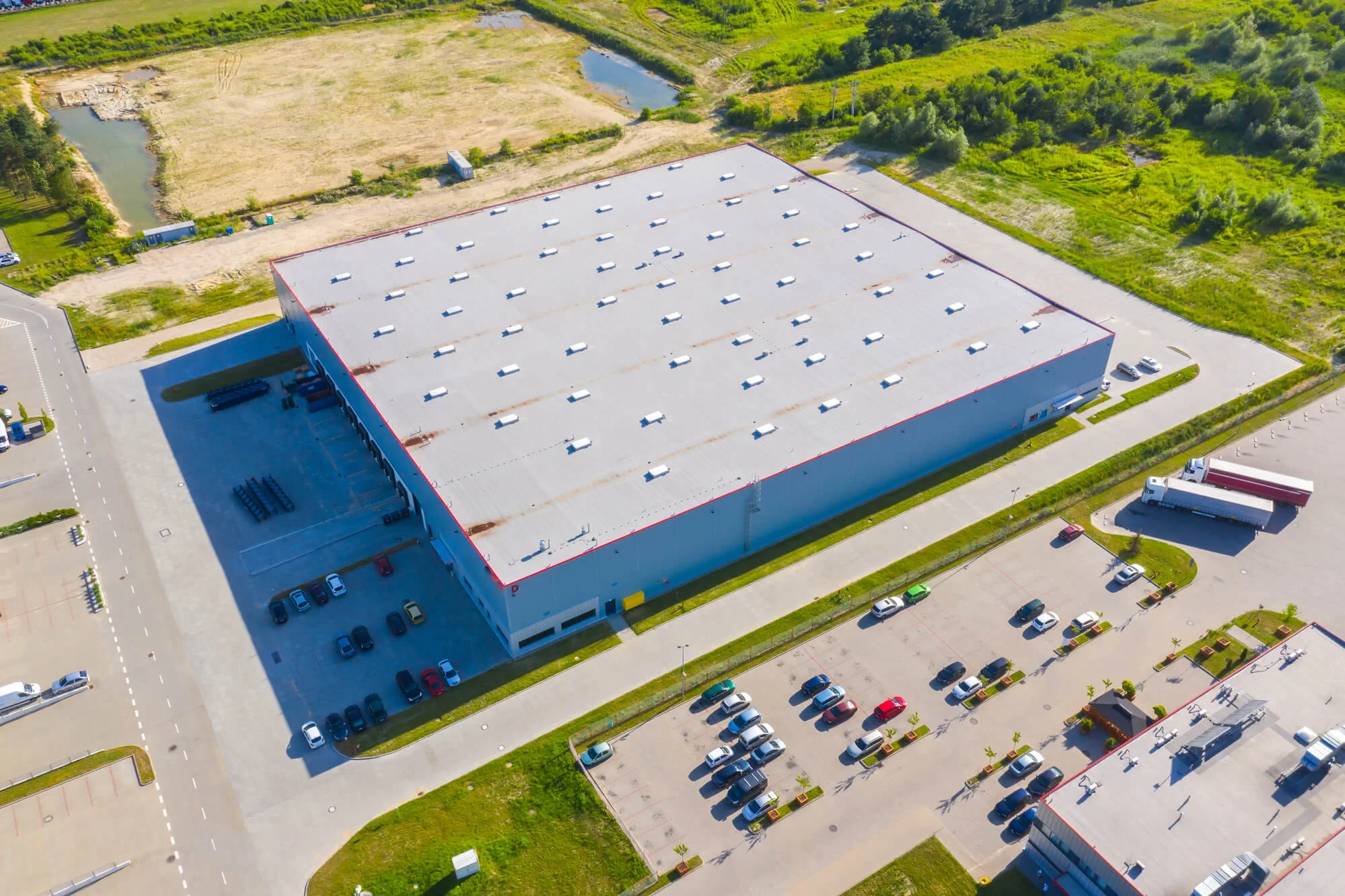
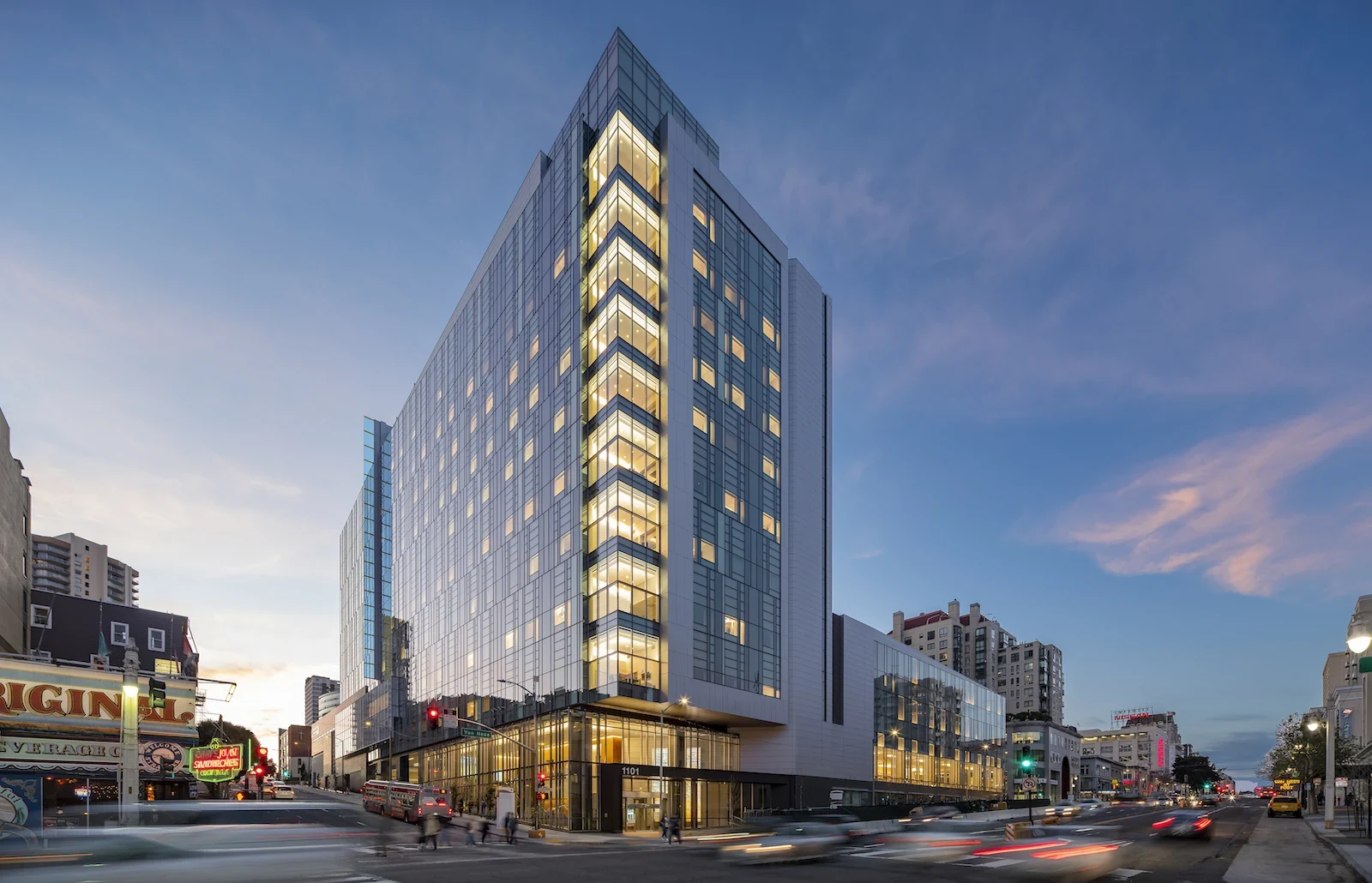
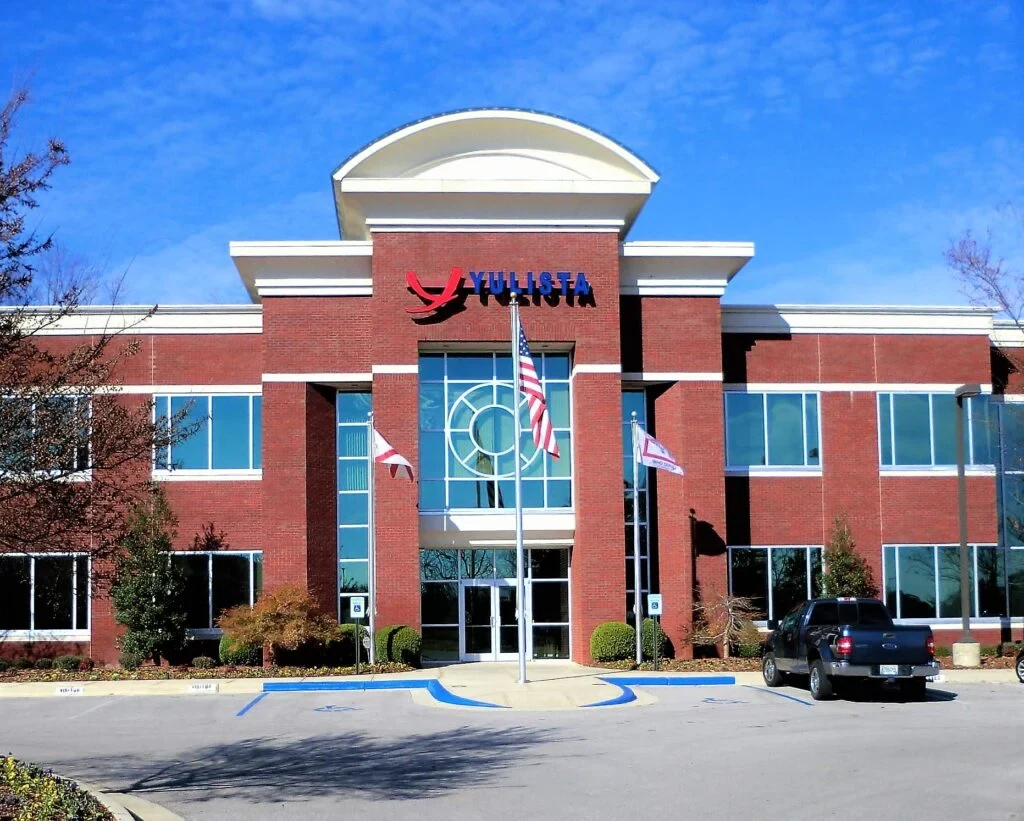
Keeping BYU, UVU, and Utah County Classrooms Under Roof
Provo-Orem carries more square footage of institutional roof than almost any market its size in Utah, between two large universities and three school districts that are all adding buildings at once. We work with facilities directors on a calendar that has nothing to do with weather and everything to do with the academic year, and we spec every membrane with an eye on what it costs the district or the university to heat and cool the space underneath it.
Summer Break Is the Only Real Work Window
A K-12 building with 900 students in it is not a jobsite. From the third week of May through the first week of August, we get a window to strip and replace, and that window has to close on time no matter what the weather did to the schedule in June. We break large roofs into phases so a partial tear-off never leaves a wing exposed overnight, and we sequence crane and material staging around summer school sessions, band camp, and maintenance crews doing their own turnaround work in the same building.
Higher ed runs a longer but still real window. BYU and UVU both compress major roof work into spring and summer terms when enrollment on a given building drops, and both campuses want daily close-out reports because a delay on one building can cascade into a facilities crew's plan for three others. We build the schedule backward from the first day of fall semester, not forward from a start date, because that's the date that actually matters to the client.
Reflective Membranes and What They Do to a Utility Bill
Most of the classroom stock built in the 1970s and 1980s along the Wasatch Front sits under dark built-up roofing or aged EPDM, both of which absorb heat that the rooftop units then have to fight all afternoon. Swapping to a white TPO or a reflective coating over sound existing membrane drops the surface temperature dramatically on a July afternoon, and that shows up directly in reduced RTU run time. For a district budgeting against a bond, that's not a marketing point, it's a number the business administrator can put in a spreadsheet next to HVAC replacement costs.
We also look at insulation continuity, not simply surface color. A reflective cap sheet over thin or compressed insulation still lets heat migrate through the deck; the R-value underneath does more long-term work than the color on top. On reroof projects we typically recommend adding a layer of polyiso above the existing deck where parapet height allows it, which tightens the whole assembly instead of just changing what the sun sees.
Alpine, Nebo, and Provo City: Three Districts, Three Growth Curves
Alpine School District covers the Lehi, American Fork, Pleasant Grove, and Highland side of the valley, and it has been opening new elementary and secondary buildings faster than almost any district in the state to keep pace with subdivision growth. Nebo School District, running through Spanish Fork, Payson, and Springville, is doing the same thing on the south end of the valley. Provo City School District is smaller and more built-out, so its roof work skews toward reroofing 40- and 50-year-old buildings rather than specifying new construction.
That split matters for how we bid work. New-construction roofs for Alpine and Nebo get built to current state energy code from day one, which mostly means the design already calls for a reflective, well-insulated assembly. The Provo City work is retrofit: matching a modern envelope onto a building that was never designed with cooling load in mind, often with a flat parapet that limits how much insulation thickness we can add without redetailing the coping.
Big-Span Roofs on the University Campuses
BYU's gyms, indoor practice facilities, and dining halls, and UVU's growing Orem campus buildings, put a different kind of load on a roof than a standard classroom wing. Long clear-span structures move more under snow and wind, so fastening patterns and perimeter attachment get more attention, especially at the transitions where a newer addition meets an older roof deck at a different height. Dorms and housing-adjacent buildings add another wrinkle: mechanical penetrations for kitchen and laundry exhaust that need proper flashing and curb height so grease and moisture don't undercut the membrane around them.
Snow Load and Freeze-Thaw at 4,500 Feet
Provo sits high enough that UV exposure and the freeze-thaw cycle both run harder on a membrane than they would at sea level. Snow sits on flat institutional roofs for weeks at a time in January and February, then melts and refreezes at parapets and rooftop unit curbs, which is where ice damming shows up first. We detail those transition points with extra membrane and proper drainage slope specifically because a school roof that leaks in February floods a classroom ceiling, not an empty storage room.
Common building types we handle across campuses and districts:
- K-12 classroom wings and gymnasiums
- University academic and laboratory buildings
- Dormitories and student housing
- Dining halls and food-service buildings
- Fieldhouses and indoor athletic facilities
- District maintenance and transportation buildings
Working With Facilities Directors and Bond Committees
Most of this work gets funded through a capital bond or a district maintenance reserve, which means the paper trail matters as much as the roof itself. We provide the kind of documentation, unit pricing, and lifecycle projections that a facilities director can bring into a board meeting, and we're direct about which repairs buy a district five more years versus which ones are patching a roof that needs full replacement regardless.
Questions We Get From District and Campus Facilities Staff
Can you reroof a school building without shutting down classes?
On active-term work, yes, if it's a limited repair or a small section, but full tear-off and replacement on an occupied classroom wing is not something we recommend. We schedule that work for the summer window and phase it so no wing sits open overnight.
Why does reflectivity matter so much for a school roof specifically?
Classroom HVAC is sized for the load, and a hot roof deck adds directly to what the rooftop unit has to remove. On a building with dozens of RTUs, a lower surface temperature translates into real reductions in run time and energy draw over a school year.
Do you work directly with district facilities directors and bond project managers?
Yes. We build our proposals and scheduling around how districts actually fund and approve work, with unit pricing and phasing plans that hold up in a board presentation.
How does elevation change roof performance in this valley compared to lower-elevation markets?
Higher UV exposure ages membrane faster, and the freeze-thaw cycle at parapets and curbs is more aggressive than what you'd see at lower elevation. We account for both in material selection and detailing.
What's different about a leaking gymnasium roof versus a leaking classroom roof?
A gym has a longer clear span and often a lower slope, so water tends to pool rather than run to a drain, and the ceiling assembly below is usually more expensive to repair. We treat gym and fieldhouse leaks as a higher-priority call for that reason.