Roof Recover and Overlay in Provo, UT
Commercial Roofing • Commercial Roofing Services • Provo,
Using a Recover to Add R-Value Instead of Just a New Membrane
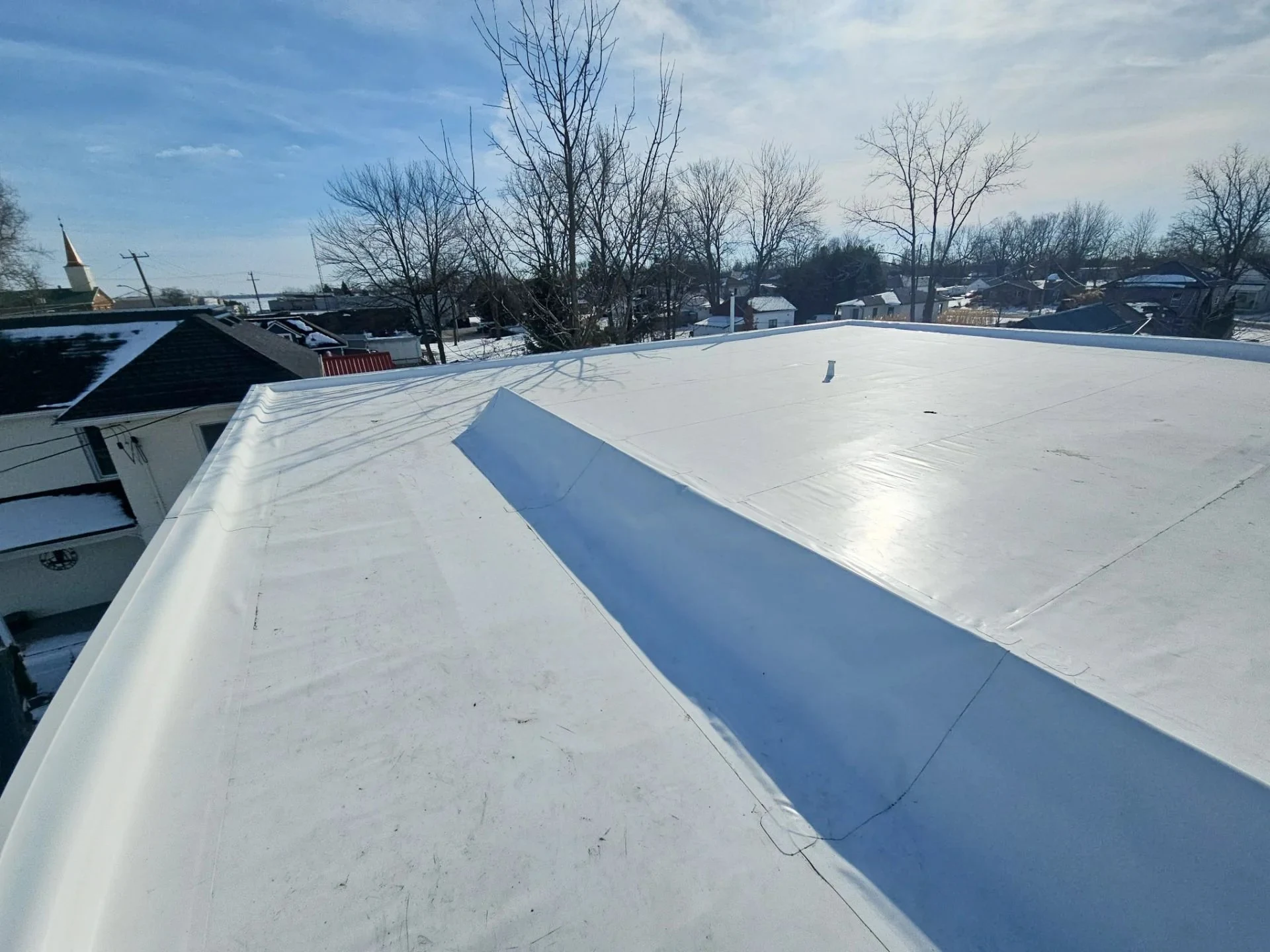
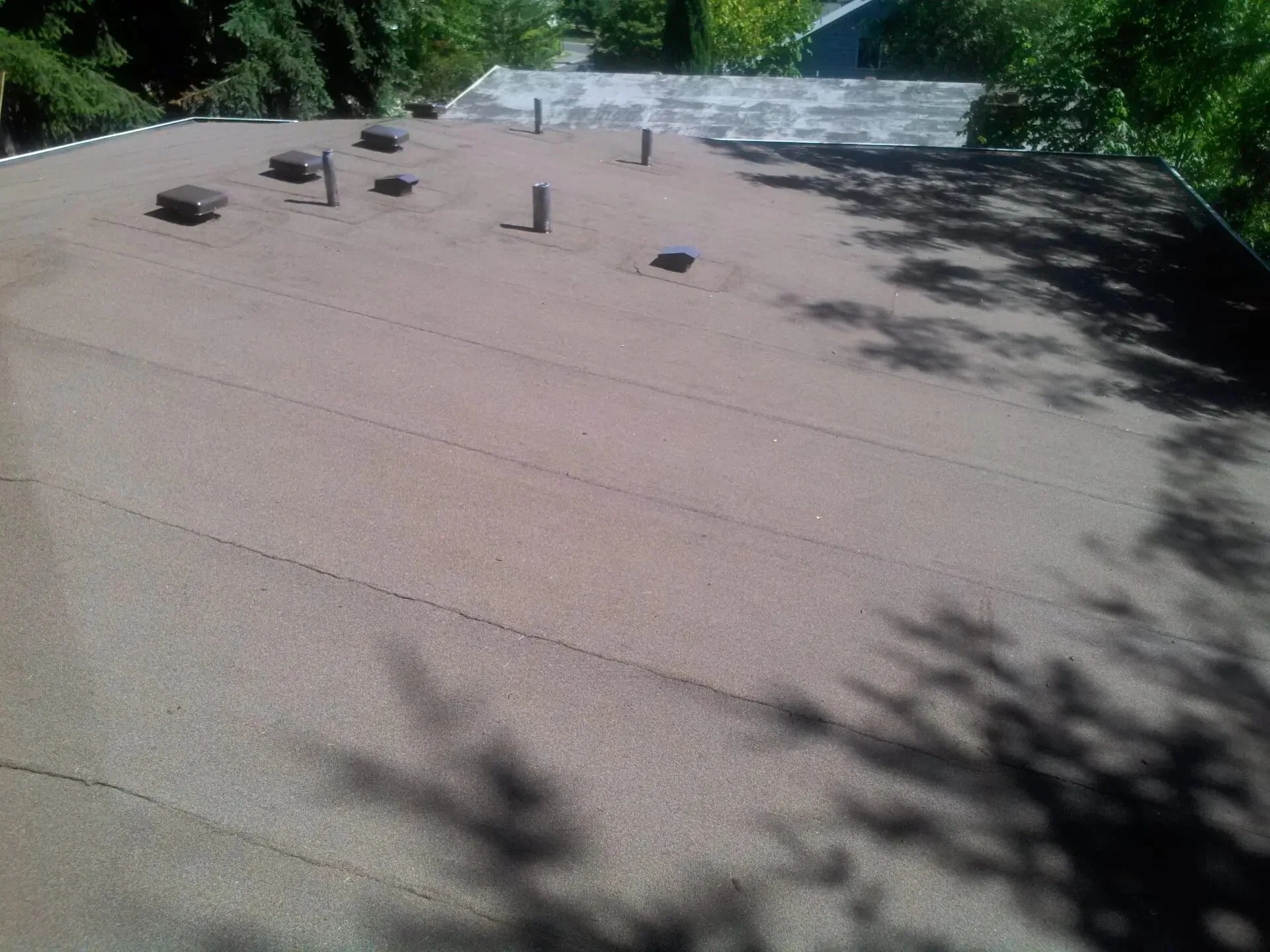
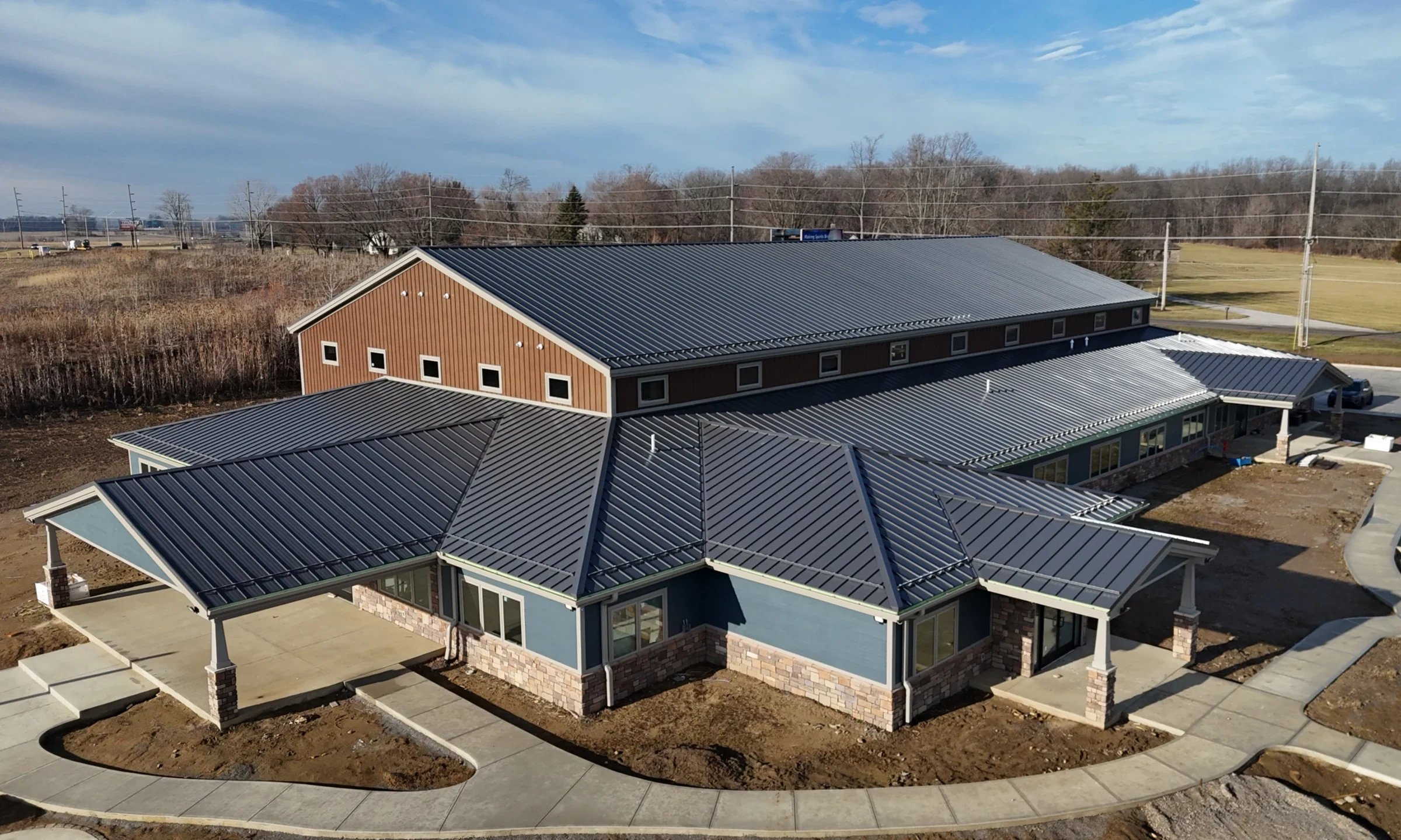
A roof recover, installing a new membrane or insulation layer over an existing roof instead of tearing it off, is often the more cost-effective path when the existing deck and insulation are sound. What most owners miss is that a recover is also the cheapest point in a building's life to add real insulation value, since the labor cost of accessing the roof deck is already built into the job. We evaluate every recover with that opportunity in mind rather than treating it strictly as a membrane replacement.
When Recover Beats Tear-Off
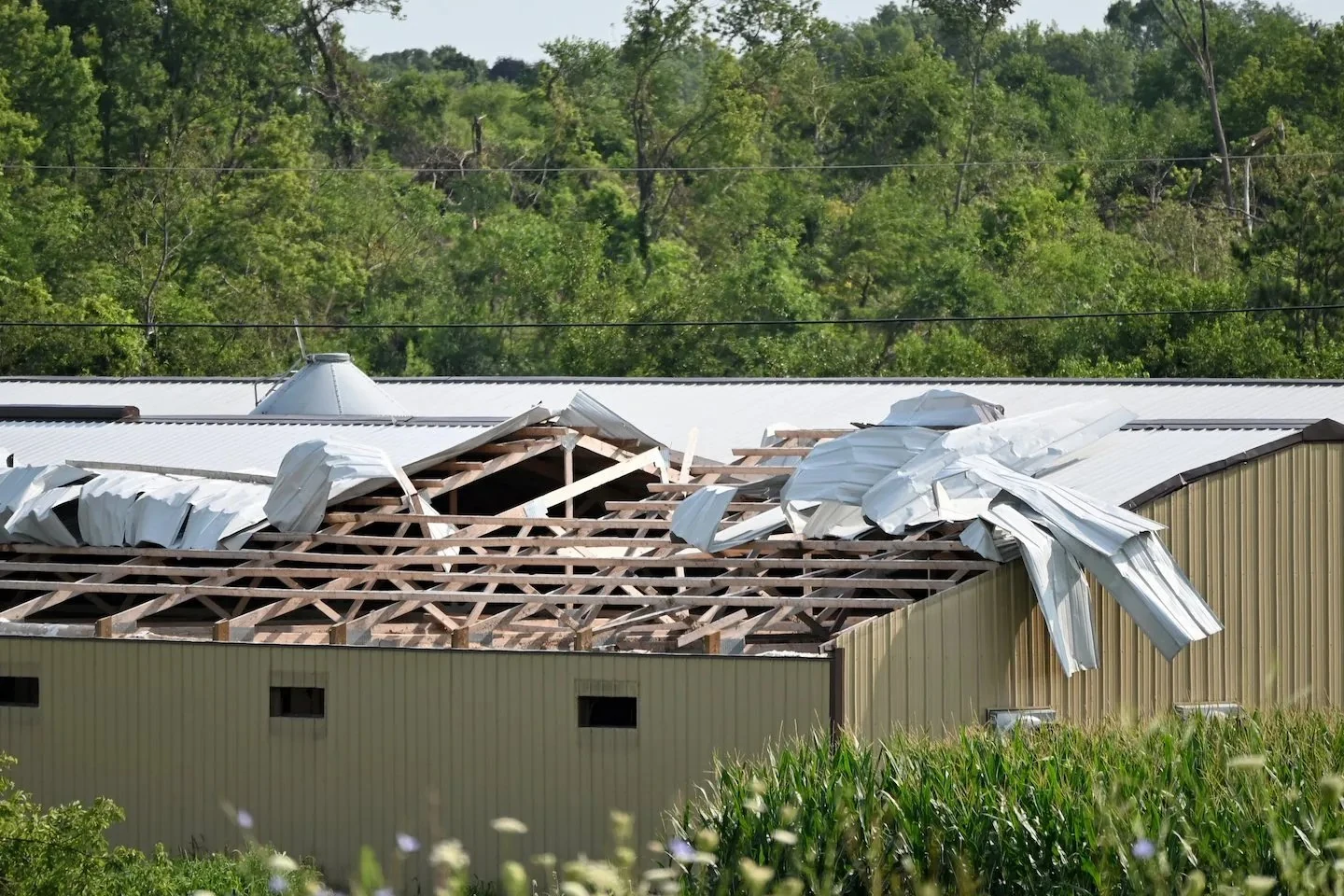
Tear-off makes sense when the existing insulation is wet, the deck has deteriorated, or code requirements force a full replacement. Short of those conditions, recover is usually the better financial decision: less disposal cost, less disruption to tenants or operations underneath, and a shorter project timeline. The deciding factor is always moisture. A dry roof assembly, even an old one, is generally a good recover candidate. A wet one is not, regardless of how the membrane surface looks from above.
We see this decision most often on the older commercial stock around downtown Provo and State Street in Orem, buildings where an existing modified bitumen or built-up roof has reached the point of needing intervention but the structure underneath is still fundamentally sound.
The Envelope Upgrade Most Owners Skip
Most recover projects default to matching the existing insulation thickness, which misses a real opportunity. Adding a layer of polyisocyanurate board as part of the recover assembly increases the roof's overall R-value at a marginal cost increase over a recover that skips it, since the crew, equipment, and access are already on site regardless. That additional insulation reduces both summer cooling load and winter heat loss, and on a building running rooftop HVAC units that are already sized close to capacity, a better-insulated roof takes real pressure off that equipment.
We calculate the incremental cost of an added insulation layer against a building's actual utility profile before presenting recover options, so owners can see the payback math rather than guessing at whether the upgrade is worth it.
Moisture Testing Before Anything Gets Approved
Every recover recommendation starts with moisture testing, not a visual inspection. We use infrared scanning or core sampling to check the existing insulation for trapped water, since wet insulation loses most of its R-value and continues degrading under a new membrane layer regardless of how well that layer is installed. A roof that tests wet in even a limited area usually needs that section addressed before recover proceeds, either through localized tear-off and replacement or, if the wet area is extensive enough, a full tear-off across the whole roof.
Skipping this step is the single most common reason a recover project fails early. We will not proceed with a recover recommendation without moisture data to back it up, even on a roof that looks fine from the surface.
Recover Options by Existing System
- TPO or PVC membrane recover over dry built-up or modified bitumen roofs
- New EPDM or TPO membrane over an existing single-ply system nearing end of life
- Added polyiso insulation layer under any new membrane for an R-value upgrade
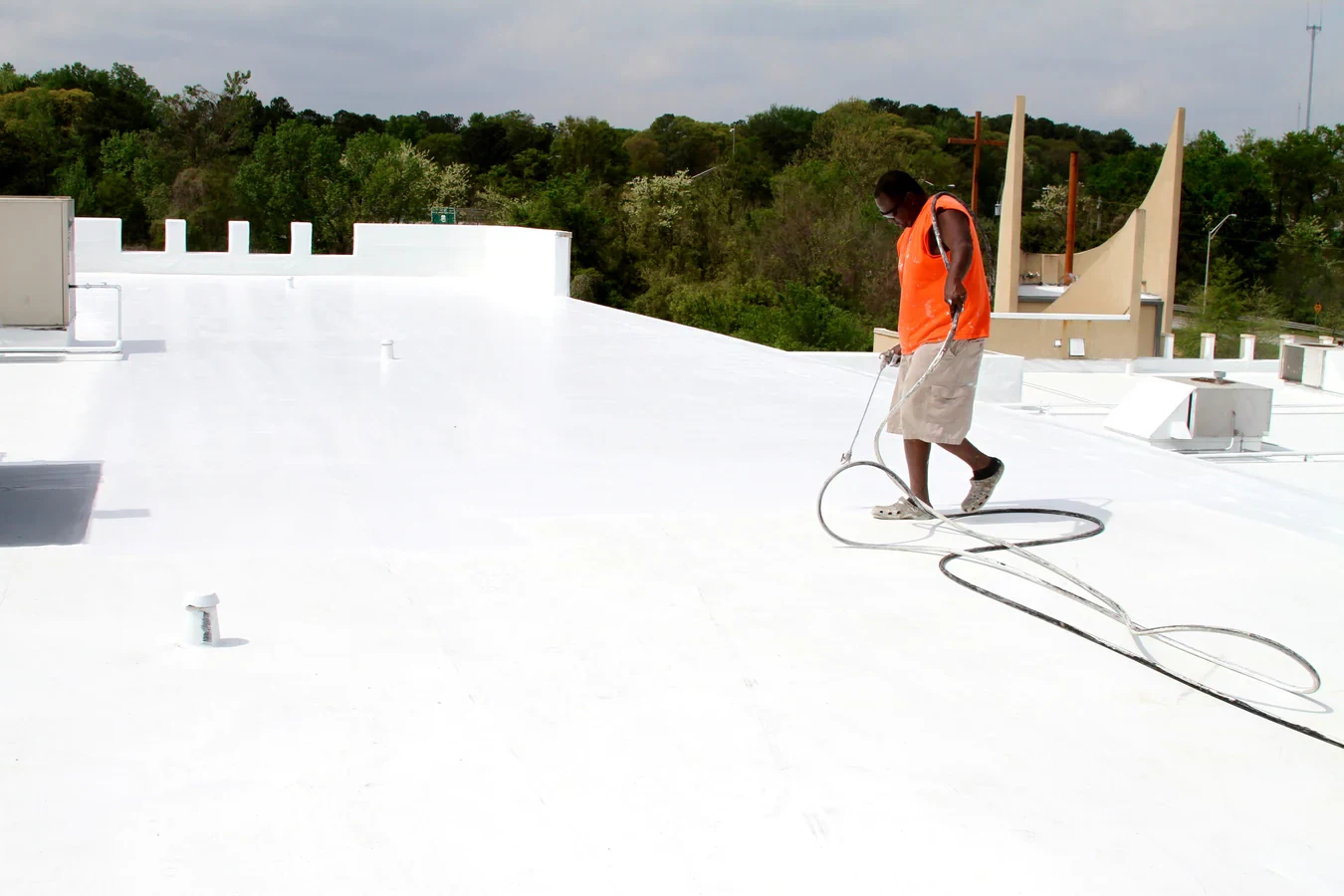
- Reflective coating as a lighter-touch recover alternative on structurally sound membranes
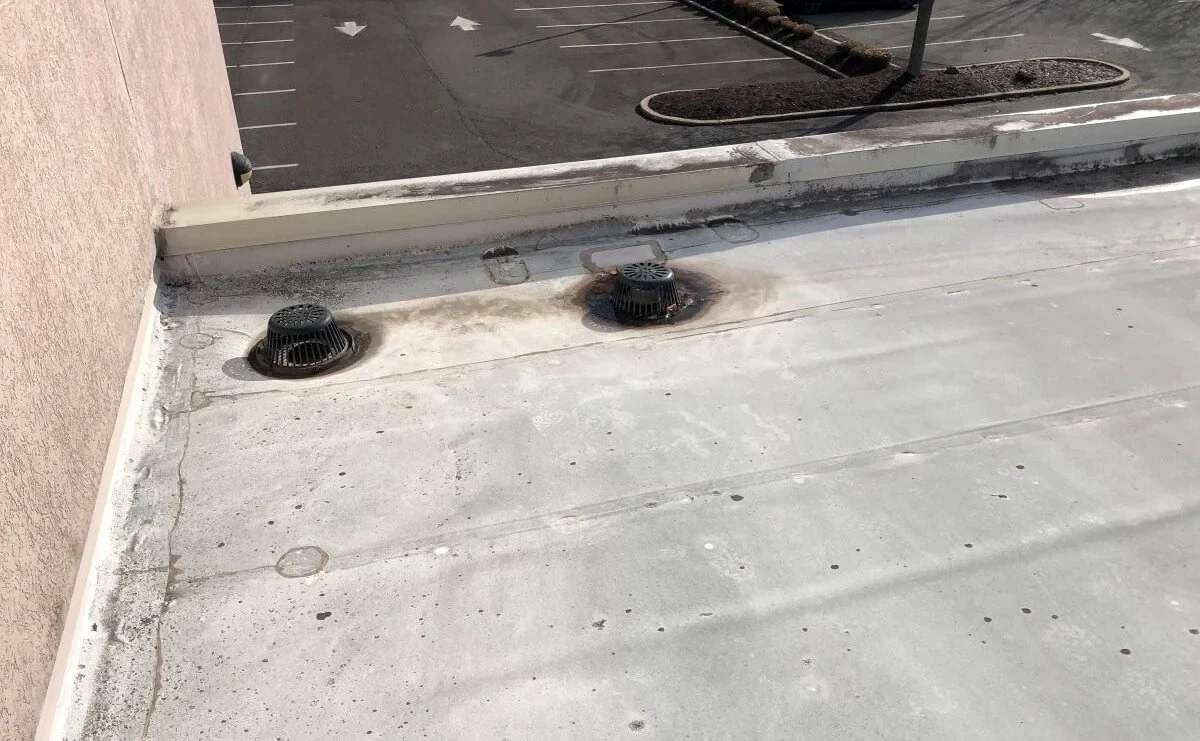
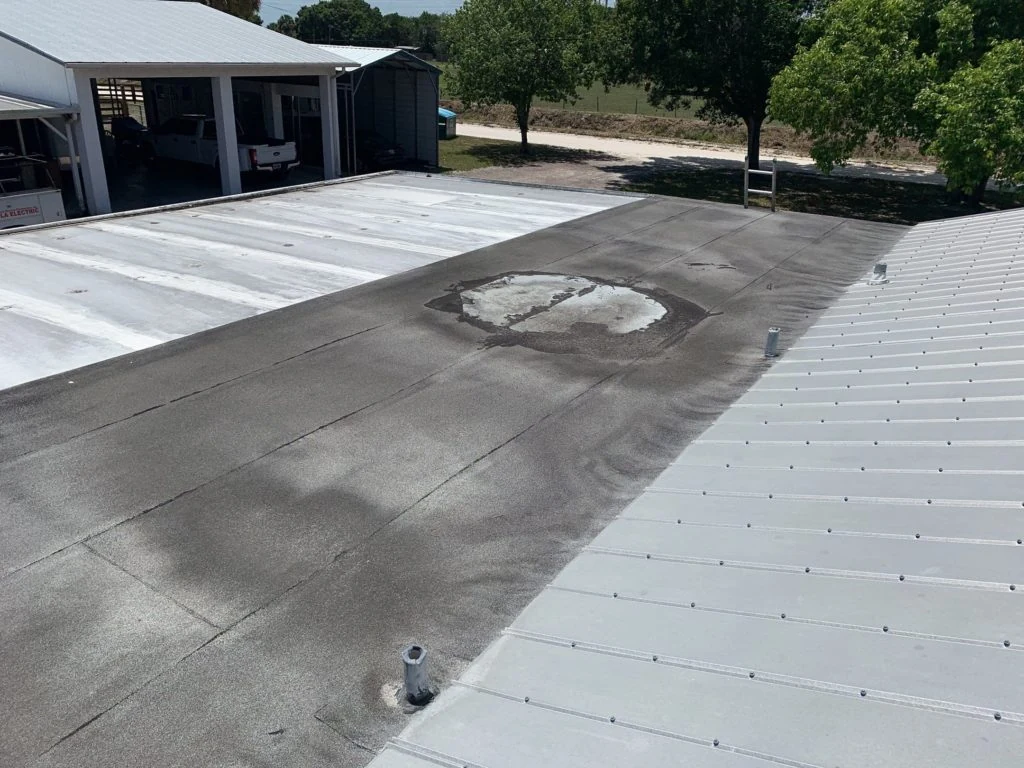
- Recover with upgraded drainage where the existing roof has chronic ponding
Drainage correction is worth addressing during a recover even when it adds scope, since a recover that reproduces the same ponding problem the old roof had just resets the clock on the same failure.
Fast-Growing Areas, A Different Recover Timeline
Recover is naturally a conversation about existing buildings, but it is worth planning for even on new construction going up right now in fast-growing areas like Saratoga Springs and Eagle Mountain. Buildings finishing construction today will reach their first recover decision point within fifteen to twenty years, and the insulation and membrane specification chosen at initial construction determines what that future recover actually looks like. We talk to general contractors and developers building in these areas about spec choices that make a future recover simpler and cheaper, rather than treating initial construction and eventual recover as unrelated projects.
Roof Recover Questions From Provo and Orem Owners
How do you know if a roof is a good recover candidate?
We test for trapped moisture in the existing insulation and check that the deck is structurally sound. A dry, sound roof is generally a strong recover candidate regardless of its age.
Does adding insulation during a recover cost much more?
The incremental cost is usually modest compared to the base recover project, since access and labor are already part of the job. We show owners the specific cost difference before they decide.
Can you recover a roof that already has one recover layer on it?
Sometimes, depending on total assembly weight, code limits, and moisture condition of both layers. We evaluate that structurally rather than assuming a second recover is automatically fine.
What happens if moisture is found during testing?
We address the wet area directly, either through localized tear-off and replacement of that section or, if moisture is widespread, recommend full tear-off instead of recover.
Is recover always cheaper than tear-off?
Almost always for the initial project cost, though the comparison should include the roof's likely remaining service life. A roof recovered without addressing an underlying problem may need earlier full replacement than a properly executed tear-off would have.