Sika Sarnafil in Provo, UT
Commercial Roofing • Roofing Manufacturers • Provo,
Sika Sarnafil: A PVC-Focused Line With a Long Weld Track Record
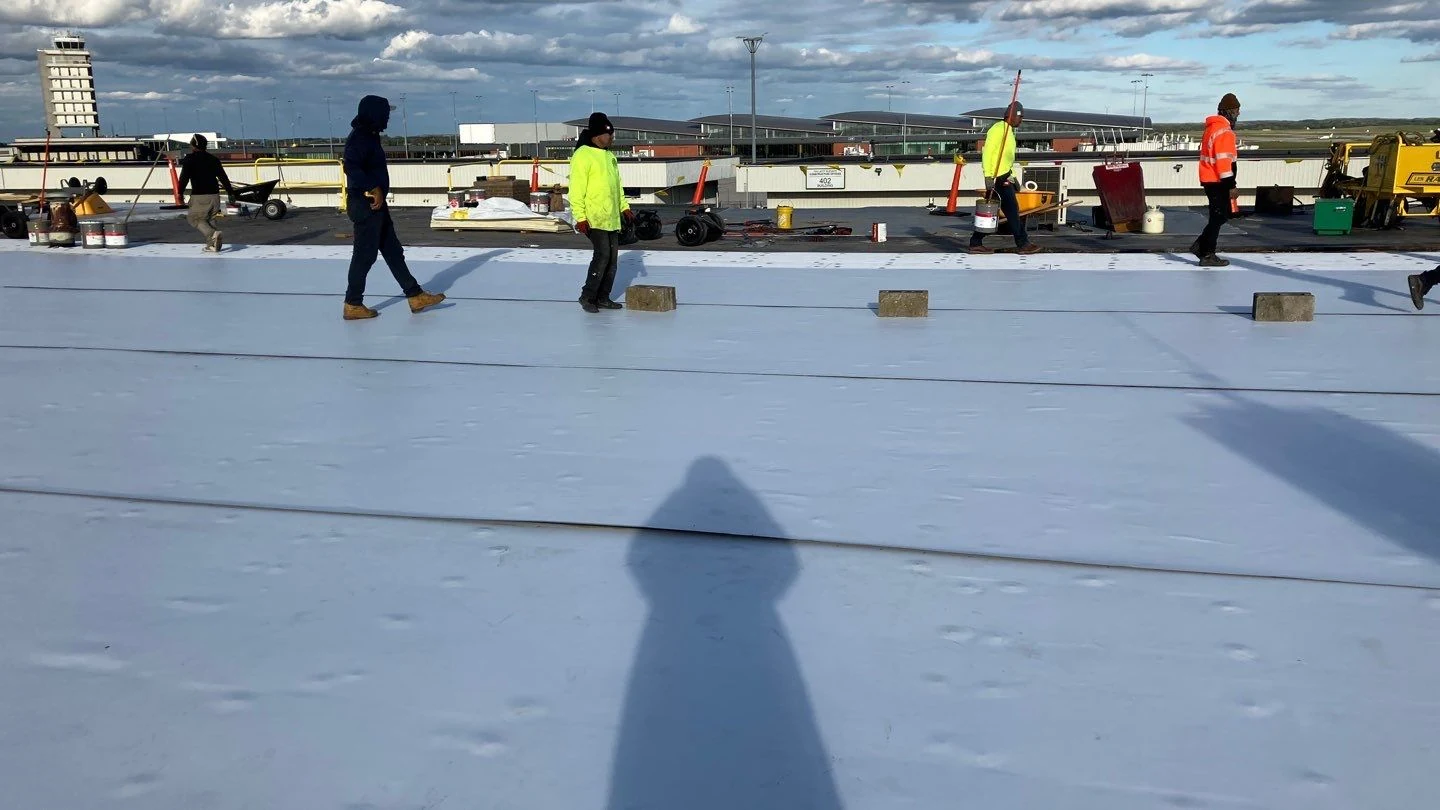
Sarnafil built its name specifically on PVC membrane, going back decades, and under Sika's ownership the line keeps that focus while adding accessory and coating products around it. On projects here where PVC is the right call, restaurants with kitchen exhaust exposure, grocery boxes with rooftop refrigeration, flex-industrial buildings near solvent use, Sarnafil's decades of PVC-specific manufacturing experience is part of why we include it in the conversation whenever a project's exposure profile calls for that specific membrane type over TPO or EPDM.
Why PVC-Only Focus Matters for Weld Quality
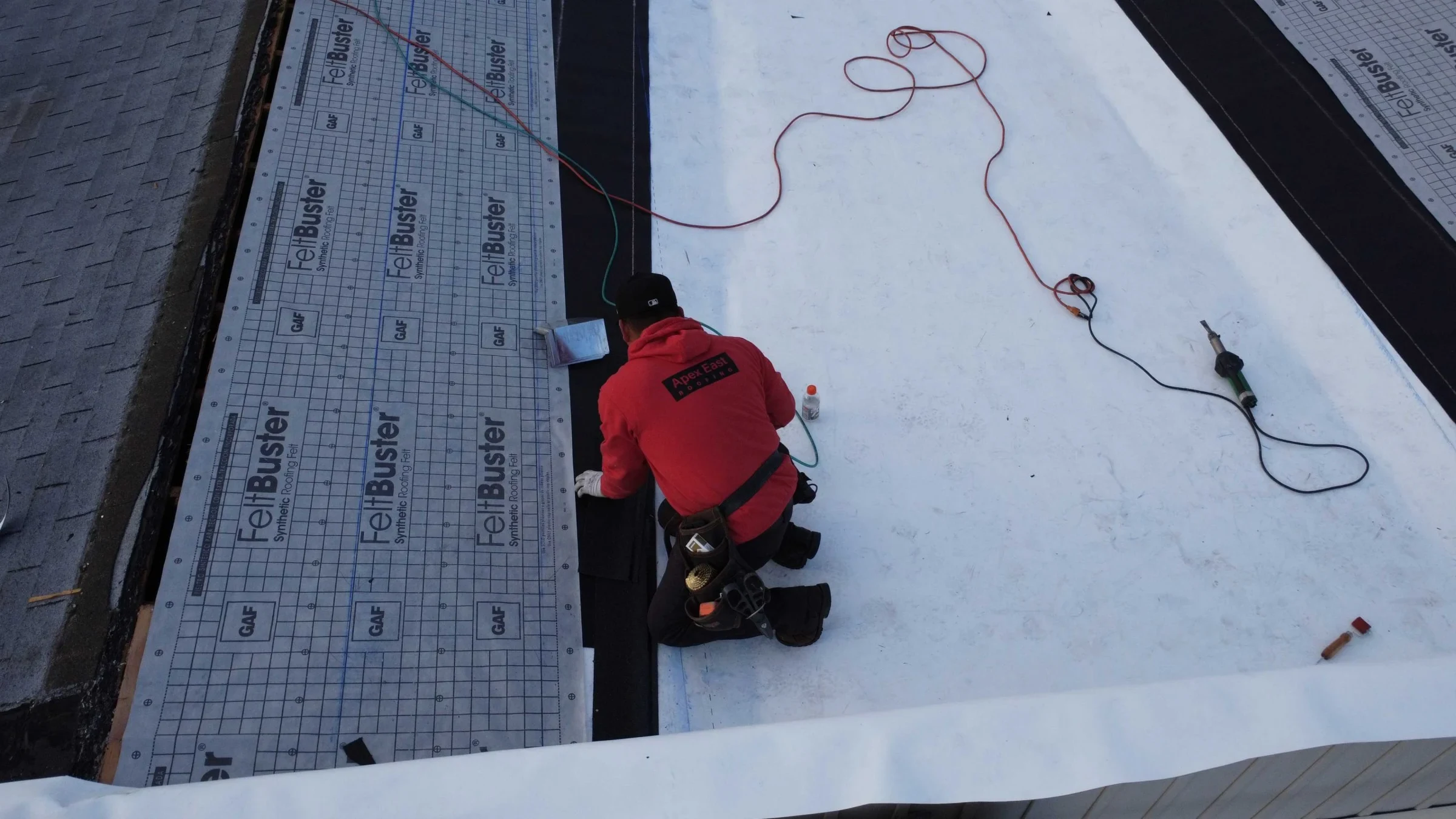
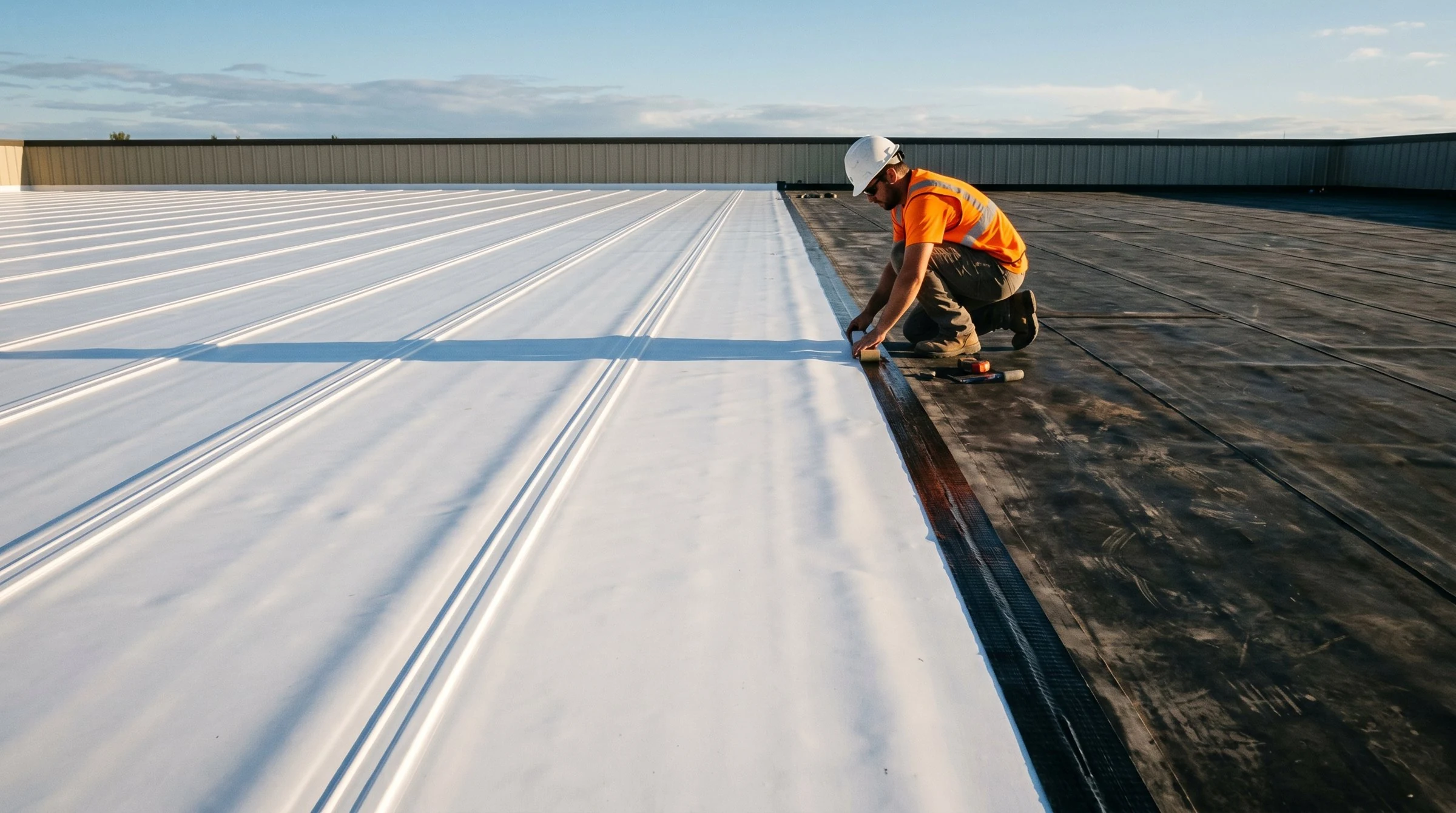
A manufacturer that makes PVC as its core product tends to have tighter formulation control over weldability than one offering PVC as a smaller piece of a broader single-ply catalog. Heat-welded seam strength is the detail that determines whether a PVC roof holds up through the freeze-thaw cycling Provo sees every spring, and it's the first thing our crews test at final walk-through regardless of which manufacturer's membrane happens to be on the roof that day.
Colorfastness Under High-Altitude UV
Sarnafil markets colorfastness as a differentiator, membrane that resists fading and chalking under sustained UV exposure better than some competing PVC products. That matters more here than in a lot of markets, since UV intensity at Provo's elevation runs higher than at sea level and accelerates surface aging on any exposed roofing material. A membrane that holds its reflective white finish longer keeps delivering its energy-cost benefit longer, rather than gradually losing reflectivity and pushing deck temperatures back up over the years.
Grease and Chemical Resistance for Restaurant Rows
PVC's chemical resistance is the core reason to spec it over TPO on roofs exposed to kitchen exhaust, and Sarnafil's formulation prioritizes that resistance specifically rather than treating it as an afterthought to a TPO-first product line. On the growing restaurant and dining corridor around Riverwoods and East Bay, that resistance is the difference between a membrane that reaches its full expected service life and one that softens and needs early replacement under sustained grease exposure.
Fully Adhered Systems for Equipment-Dense Roofs
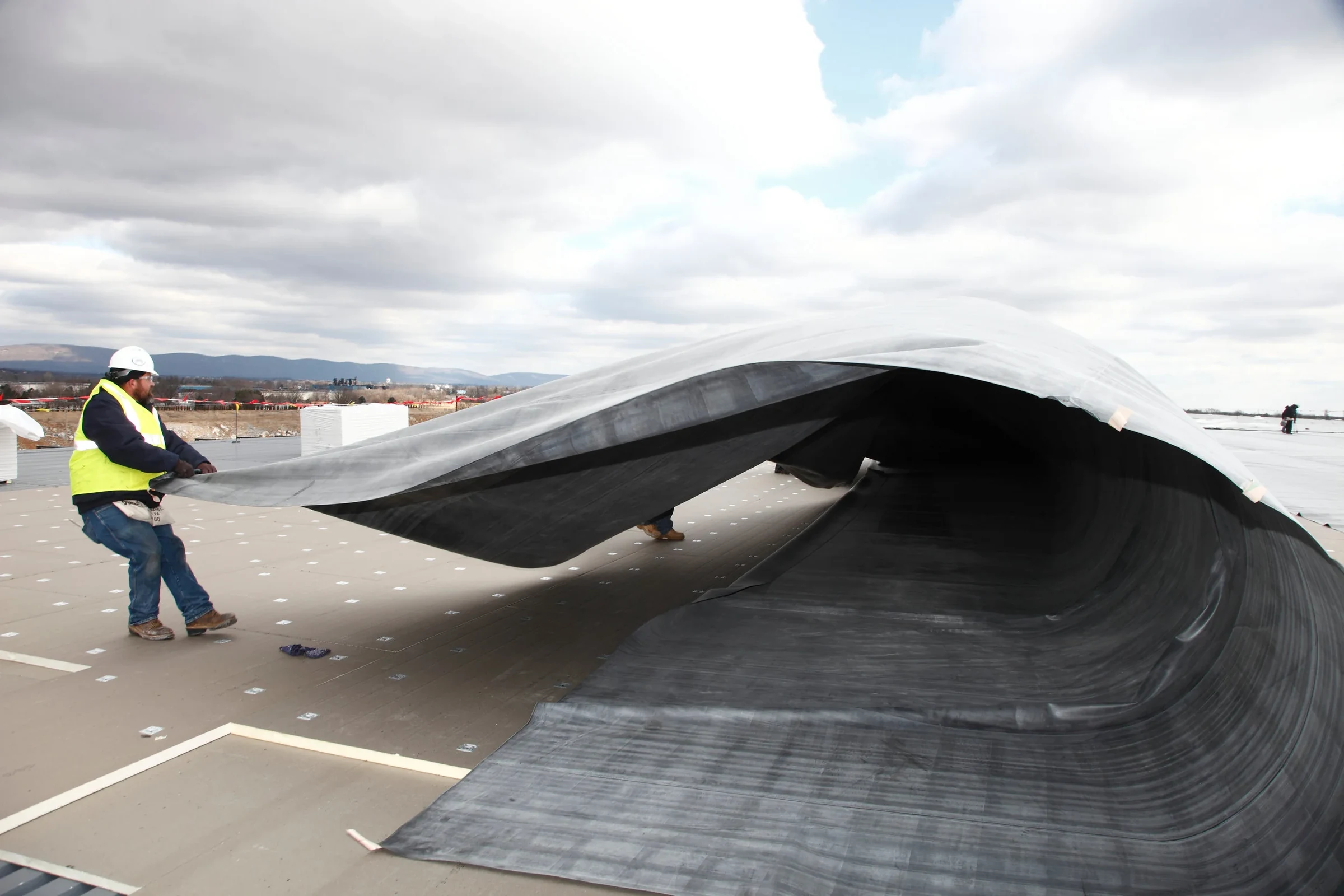
Sarnafil's product line includes fully adhered application options that skip mechanical fastener plates entirely, which is useful on roofs with heavy rooftop equipment density, common in the office and tech space building out around Silicon Slopes, where fastener plates can interfere with service technician access paths.
- PVC membrane with published colorfastness data
- Fully adhered systems for equipment-dense roofs
- Mechanically attached options for lower-cost applications
- Compatible flashing and accessory products
- Reflective white finish for cooling-load priority roofs
No Applicator Status Claimed, and Detail Work at Penetrations
This page is informational. We aren't claiming any specific Sika Sarnafil certified-applicator designation. Program requirements are set by the manufacturer and should be confirmed directly for a specific project rather than assumed from this page. What we control is installation quality against manufacturer welding and attachment specification.
When PVC-Specific Focus Actually Matters
Not every roof needs PVC's chemical resistance, and on a clean office roof with no grease or solvent exposure, TPO from a broader-catalog manufacturer often costs less for comparable performance. We bring up Sarnafil specifically when a building's exposure calls for PVC in the first place, not as a default recommendation across every project type.
Sika, the parent company, manufactures a wide range of construction chemicals and waterproofing products beyond roofing, concrete admixtures, sealants, adhesives. That broader materials science background carries into the Sarnafil roofing line, particularly in how the membrane's plasticizer package is formulated to resist migration over time, a detail that affects how long the membrane stays flexible rather than going brittle as it ages, especially through the wide temperature swings Utah Valley sees between summer and winter.
PVC's weldability makes it a strong choice for roofs with complex detailing, multiple curbs, pitch pockets, parapet transitions, since every detail piece welds to the field membrane with the same continuous bond rather than relying on adhesive or mechanical fasteners at each transition. On older downtown Provo buildings with irregular rooflines and a lot of rooftop mechanical additions layered on over the years, that welding consistency at every detail is often more important to long-term performance than the field membrane itself, since detail work is where most single-ply roofs actually fail first.
Questions About Sika Sarnafil Membrane
Is Sarnafil PVC noticeably different from other manufacturers' PVC?
Formulation details vary by manufacturer, and Sarnafil markets colorfastness and weld consistency specifically. We compare published performance data for the specific project rather than assuming one brand is universally superior.
Does Sarnafil cost more than a standard TPO membrane?
Generally yes, PVC tends to run higher per square foot than TPO regardless of manufacturer. The premium is worth it when chemical or grease exposure is a real factor for the building.
How does Sarnafil PVC handle Provo Canyon's wind events?
Both mechanically attached and fully adhered options carry tested wind-uplift ratings. We match the attachment method and fastening pattern to the building's height and exposure category.
Can Sarnafil PVC be installed over an existing EPDM roof?
Direct compatibility depends on the existing membrane's condition and a compatible separator layer. We test the existing roof carefully before recommending recover over tear-off.
Does the colorfastness claim affect anything besides appearance?
Yes. A membrane that resists chalking and fading generally maintains higher reflectivity longer, which keeps the cooling-load benefit intact further into the roof's service life instead of tapering off within the first several years of use.