Commercial Roofing Contractors Orem, UT
Commercial Roofing • Service Areas • Provo,
Commercial Roofers in Orem
A practical commercial roofing plan for Orem properties separates urgent leak control from repair, coating, maintenance, and replacement decisions supported by photos and condition findings. State Street carries most of Orem's retail square footage, and a lot of it went up in the same fifteen-year window with the same low-slope assembly. That means a huge share of Orem's commercial roof stock is aging out at the same time, and the buildings that skip an insulation upgrade during their recover are the ones still running package units at full tilt in July. We look at the roof and the rooftop mechanical load together, because on a flat roof they're the same decision.
The State Street Roof Stock Behind University Place
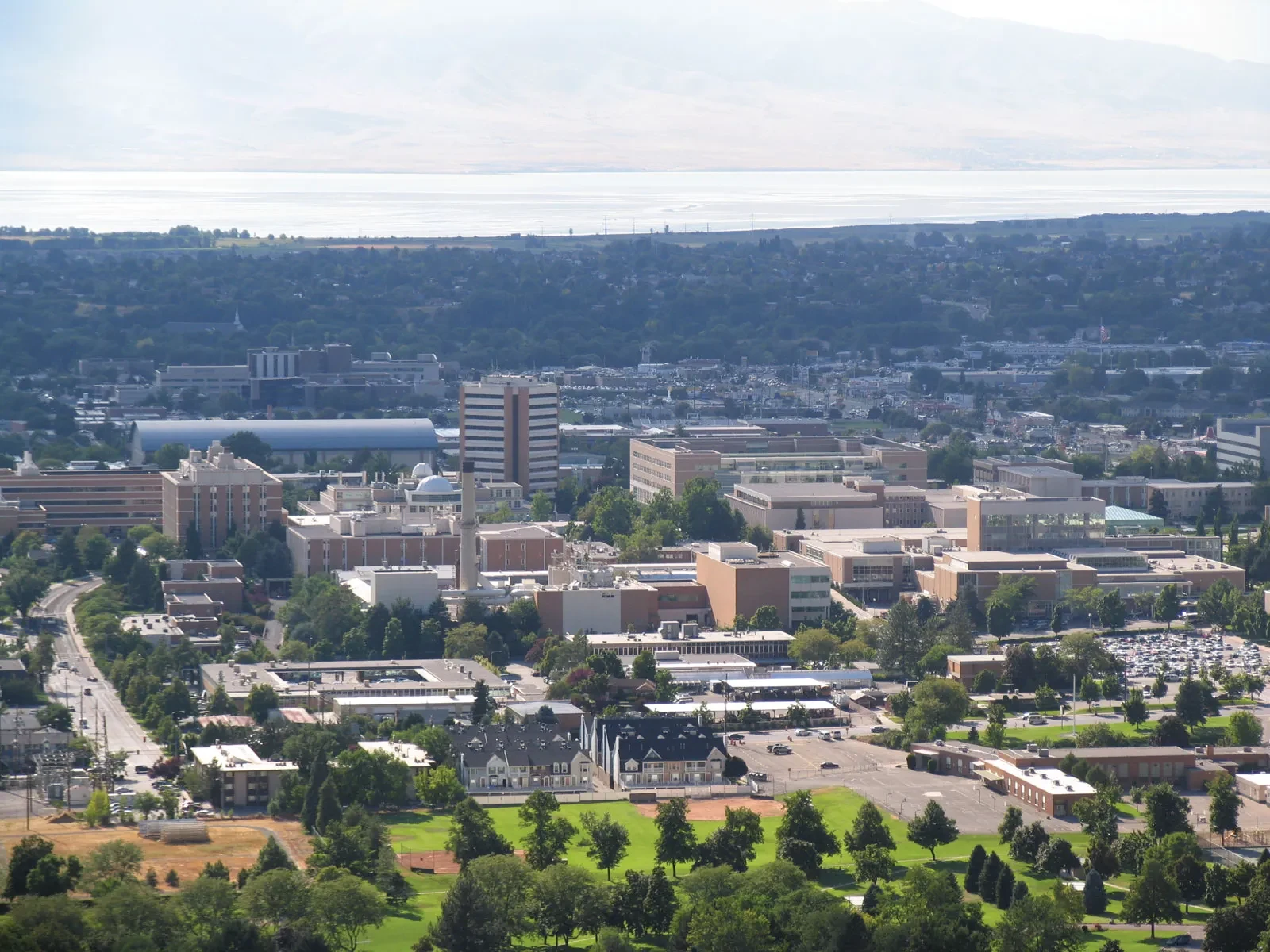
University Place anchors the corridor, but the roofs that matter most for our work are the ring of mid-size retail boxes and strip centers around it, plus the office buildings that back up to residential streets east of State Street. Most of this stock is built-up roofing or an early single-ply membrane from a 1990s or early-2000s construction wave, sitting over lightweight insulating concrete or a couple inches of polyiso that was code-minimum at the time.
Twenty-plus years later that insulation has usually lost a meaningful chunk of its rated R-value to moisture cycling and compression, even where the membrane above it still looks serviceable. That's the trap: a roof can pass a visual inspection and still be bleeding heat and cooling capacity because the board underneath it isn't doing its job anymore.
Reflectivity Numbers That Actually Move a Cooling Bill
Orem sits at altitude with intense summer sun, and a dark, alligatored BUR cap sheet can run 50-60 degrees hotter than the ambient air on a July afternoon. That heat doesn't stop at the membrane. It conducts through worn insulation and into the deck, which raises the temperature of everything below it, including the return air the rooftop units are trying to cool.
Swapping to a white TPO or a reflective coating over an existing cap sheet drops that surface temperature dramatically and takes real load off the package units bolted to that same roof. On a big-box retail roof with a dozen units on the curb, that's not a marginal number. We size the reflective spec to the building's actual roof-to-wall ratio rather than defaulting to whatever membrane is cheapest that quarter.
Where Insulation Retrofits Pay for Themselves During a Recover
If we're already pulling a membrane off for a recover, adding a layer of polyiso above the existing deck insulation is the single highest-value line item on the job, because the labor to access that layer is already paid for. Skipping it to save a few thousand dollars up front is the most common regret we hear about from Orem building owners two winters later.
- Current insulation type, thickness, and moisture content by core sample
- Existing R-value versus current energy code minimums for the building's use group
- Rooftop unit curb heights and clearances for added board thickness
- Condensation risk at the new dew point once insulation is upgraded
- Tapered insulation needs at drains that have been ponding for years
That last point shows up more than owners expect. Ponding water is more than a membrane problem , it's usually evidence that the original tapered insulation system was never installed correctly, or has settled unevenly after two decades of foot traffic and thermal cycling.
Wasatch Front Freeze-Thaw on Orem's Low-Slope Seams
Orem's winters aren't the harshest on the Front, but the freeze-thaw cycling is relentless: nights well below freezing, afternoons that climb back above 40, over and over from November through March. Water that gets under a lapped seam or a poorly sealed penetration freezes, expands, and works the seam open a little more each cycle.
This is why we check flashing detail and seam integrity before we ever talk about coatings or overlays. A reflective coating over a roof with failing seams just hides the problem under a fresh white surface while the water keeps finding its way in underneath.
Sequencing Roof Work Around Tenants Who Won't Close
Almost none of Orem's retail tenants can afford to shut down for a roof project, so we section the roof and schedule around store hours, deliveries, and HVAC downtime windows the tenant can actually live with. A grocery anchor with refrigeration equipment on the roof gets a completely different sequencing plan than a strip of small retail bays.
We also coordinate directly with whoever manages the rooftop units, since insulation and membrane work often means temporarily relocating condensate lines or electrical whips. Getting that conversation right up front avoids a mechanical contractor and a roofing crew showing up on the same day with conflicting plans.
Questions Orem Property Managers Ask Before They Sign Off
How much can added insulation actually change our cooling costs?
It depends on the current condition of the existing board, but on a roof where the insulation has degraded significantly, adding current-code polyiso on top typically produces a noticeable drop in rooftop unit runtime during peak summer afternoons. We can walk through the specific R-value gain for your building once we've done a core sample.
Do we have to replace the whole roof to add insulation?
No. In most recover scenarios we add insulation above the existing assembly rather than tearing everything back to deck, which keeps the project faster and less disruptive to tenants below.
Will a white membrane make the building too cold in winter?
Reflectivity affects the roof surface, not the conditioned space below a properly insulated assembly. The insulation layer is what regulates heat loss in winter; the reflective membrane just keeps summer solar gain from adding unnecessary cooling load.
How do you handle the mall's larger roof sections versus the smaller retail bays around it?
We scope each roof section separately based on its own deck type, drainage layout, and mechanical load. A large enclosed retail roof and a strip of standalone bays rarely share the same assembly history, so treating them identically usually means over-speccing one and under-speccing the other.
What's the biggest mistake you see on Orem recovers?
Coating over failed seams or skipping the insulation upgrade to hit a lower bid number. Both save money on day one and cost more within a few years, either in leak repairs or in utility bills that never should have been that high.
Ready to review the roof scope?
Request a Roof Assessment